
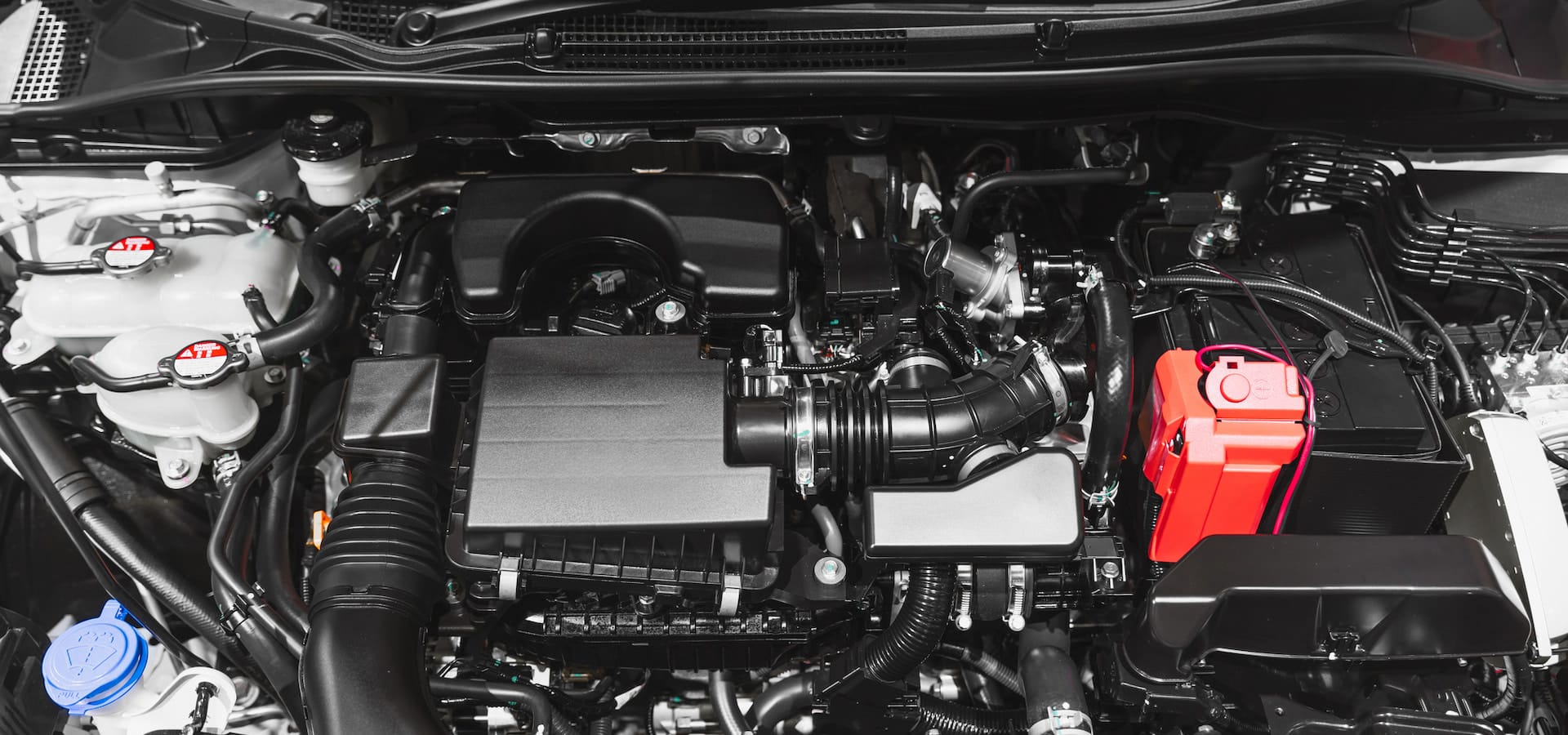
Subaru Engine Repair at Elevation Auto Repair
The horizontally opposed "boxer" engine that defines nearly every Subaru is what makes the brand handle so well – and what makes engine repair a job for someone who knows the platform. The flat layout puts the cylinder heads out at the sides where head gaskets, spark plug tubes, and valve covers live in tight, awkward spaces that a generalist shop rarely enjoys working on.
Getting Subaru engine work right means respecting the details. The EJ25 and FB25 head gasket procedures call for specific torque-angle sequences and correct MLS or composite gasket selection, and modern turbocharged FA20DIT and FA24 engines add direct-injection carbon and active oil-control valve behavior that only show up when you read live data with the right Subaru-capable scan tool. We follow OEM torque and fluid specs rather than guessing, which protects both your warranty position and your resale value.
Here's what you can expect when your Subaru comes to us:
- Honest diagnostics that pinpoint the real fault before any parts go on
- OEM-correct gaskets, seals, and fluids installed to factory torque specs
- Clear communication at every step, with no unnecessary repairs added on
- Repairs focused on long-term reliability, not a quick patch
Symptoms – How to Know You Need This Service
Subaru engines usually warn you before they fail outright. Catching these signs early keeps a gasket job from turning into a rebuild.
- You notice a sweet coolant smell or find the overflow tank dropping – a classic EJ-series head gasket tell.
- Oil spots on the driveway near the front or sides, often from valve cover, cam carrier, or oil separator plate leaks.
- A persistent ticking or knocking that rises with RPM, sometimes rod knock or lifter noise.
- Rough idle, misfire codes, or a flashing check engine light – common on carbon-fouled FA turbo engines.
- White smoke or steam from the exhaust, pointing to coolant entering a cylinder.
- Overheating, temperature spikes in traffic, or cabin heat that comes and goes.
- Loss of power, blue smoke, or high oil consumption between changes.
Schedule soon if you see minor seepage, a steady CEL, or mild oil use. Stop driving immediately if the engine overheats, you see white exhaust smoke with coolant loss, or you hear a deep metallic knock – continuing to drive risks warped heads or a spun bearing. Call us and we'll get you in before the damage spreads.
Common Engine Repair Issues on Subaru Vehicles
The boxer platform ages in recognizable ways. Denver's altitude and temperature swings tend to accelerate a few of them.
- EJ25 head gasket failure (1999-2011 Legacy, Outback, Forester, Impreza): The single-layer gasket design on early EJ25 engines weeps coolant and oil externally, a well-documented weak point tied to the flat-four's cylinder head orientation.
- FB25/FB20 oil consumption (2011-2015 Forester, Legacy, Outback, Impreza): Piston ring design on early FB engines lets oil past the rings, leading to low-oil conditions between changes if not tracked.
- Timing chain guide and tensioner wear (FB-series): Rattle on cold start often points to stretched chain or worn guides, unlike the timing belts used on older EJ motors.
- EJ timing belt and idler failure (turbo and non-turbo EJ): An interference design means a neglected belt or failed idler pulley can bend valves.
- Turbo oil starvation on WRX/STI (EJ255/EJ257): Banjo filter clogging and coked oil supply lines starve the turbo and can take out rod bearings.
- Rod knock and spun bearings on turbo builds: Often the endpoint of ignored oil consumption or overdue oil intervals.
Which Subaru Models We See for Engine Repair
We work on the full range of modern and late-model Subaru boxer platforms. Find your car below:
- Outback & Legacy (2005–present) – EJ25 head gaskets are the top job on 2005–2009 cars; FB25 and turbo FA24 handle differently.
- Forester (2003–present) – EJ253 gasket and oil-leak work on earlier years, FB25 and FA24DIT turbo on the SK generation.
- Impreza (2002–present) – EJ and later FB20 engines; oil consumption and timing components are common concerns.
- WRX & STI (2002–present) – EJ207/EJ255/EJ257 and the newer FA24F turbo. These built-for-boost engines demand extra care on ringland condition and knock data.
- Crosstrek (2013–present) – FB20 and the hybrid variants; carbon and oil-control checks on newer units.
- BRZ (2013–present) – FA20 and FA24 shared with Toyota 86; direct-injection carbon service is frequent.
- Ascent (2019–present) – FA24DIT turbo three-row work.
Turbocharged WRX, STI, and Ascent variants get different diagnostic attention than naturally aspirated cars, especially around oil control and boost-related codes. Manual and CVT Subarus alike come through our doors. We concentrate on 2000-and-newer boxer platforms – very early or heavily modified race builds fall outside our usual scope, and we'll tell you honestly if your car is a better fit elsewhere.
Subaru's horizontally opposed "boxer" engine layout is unlike anything else in the mainstream market, and that flat-four architecture drives a very specific set of repair patterns. The head gasket geometry, the timing components, and the way the EJ and FB engines seat in the chassis all demand a shop that knows the platform. At Elevation Auto Repair, we treat these engines as their own discipline – which is exactly what protects your warranty coverage and long-term resale value.
Causes & Risks – What Happens if Ignored
Most Subaru engine trouble traces back to a handful of causes: the boxer's external gasket exposure, oil-consumption habits on FB engines, missed timing-belt intervals on EJ motors, and Colorado's dry, high-altitude heat cycling that stresses seals and coolant. Age and deferred maintenance do the rest.
Small symptoms rarely stay small on these engines. A minor coolant weep is cheap to chase early – letting it run for months is a different repair entirely.
- Ignoring an EJ25 head gasket seep for a season often leads to coolant loss, overheating, and warped heads that require machining.
- Letting FB oil consumption go unmonitored can drop oil below safe levels and damage bearings and cylinder walls.
- Skipping the EJ timing belt interval risks a snapped belt, bent valves, and a full top-end rebuild.
- Deferring a clogged turbo oil supply on WRX/STI leads to turbo failure and, eventually, spun rod bearings.
- A persistent misfire left unaddressed can wash cylinders and damage the catalytic converter.
What starts as a straightforward gasket or sensor job can turn into a rebuild once secondary damage sets in – which is why we push toward early diagnosis and honest repair recommendations.
Safety Impact – Why Engine Repair Matters
Engine problems on a Subaru don't stay under the hood. Because so many chassis systems depend on stable engine operation, neglecting repairs affects how the car stops, steers, and holds the road.
- Overheating can trigger sudden power loss and shutdown in traffic, plus warning-light cascades affecting stability and traction control.
- Loss of engine vacuum or belt drive reduces brake booster assist and can affect power steering on relevant models.
- Misfires and stalling in Subaru's Symmetrical AWD system can produce unpredictable handling on wet or snowy Denver roads.
- Low oil pressure and knock signal imminent mechanical failure that can leave you stranded.
Stop driving now if you notice: temperature gauge in the red, oil pressure warning, knocking that grows with RPM, or steam from under the hood. Schedule soon if you notice: faint coolant smell, minor oil consumption, cold-start rattle, or a steady check engine light. Addressing a known defect before an incident also matters for liability and keeps documented service history intact for resale.
How Subaru Engine Repair Actually Works
The boxer engine lays its cylinders flat and opposed, which lowers the center of gravity and pairs naturally with Subaru's AWD driveline. That same layout tucks the heads deep against the frame rails, so head gasket and timing work often requires more access effort than an inline engine – and precise reassembly matters even more.
Repairs on these platforms depend on following Subaru's specific procedures rather than a generic approach.
- Head bolt torque sequencing is critical on the boxer layout to seat gaskets evenly across opposed heads.
- FB timing chain service requires correct chain alignment and tensioner setup, unlike the belt intervals on older EJ engines.
- Coolant fill and bleed must follow the boxer-specific procedure to avoid trapped air and false overheating.
- Post-repair scan and relearn using OEM-level diagnostics clears fault codes and confirms sensors report correctly across the AWD and stability systems.
- Turbo oil-feed service on WRX/STI includes checking the banjo filter and supply lines that generic shops often overlook. </
Subaru's horizontally opposed boxer engines behave differently than the inline and V-configuration engines most shops see all day. The flat layout means head gaskets, valve cover gaskets, and oil separators sit at angles that hide leaks and complicate diagnosis. Add the EJ25's history of head gasket failures and the FB and FA series' oil consumption quirks, and you have a platform that rewards technicians who know where Subaru hides its problems.
How We Diagnose Engine Repair Issues on Subaru
A rattle at cold start or a creeping temperature gauge can point to several different Subaru-specific faults. We work through them methodically instead of guessing.
- Scan with a Subaru-capable tool – We pull codes and live data using software that reads Subaru-specific parameters like AVCS oil control valve behavior, misfire counts per cylinder, and fuel trims that hint at intake leaks or oil consumption.
- Verify the complaint on a road test – We drive the car to confirm symptoms under load, watching for the FB25 oil-burning smell, EJ head gasket coolant loss, or the timing chain rattle seen on some FB engines.
- Visual and physical inspection – We check for external oil weep at the boxer's cam carriers, coolant staining at the head-to-block seam, and PCV/oil separator condition, which fails on many 2011-2016 FB models.
- Take measurements – Cooling system pressure tests, compression and leak-down readings, and combustion gas testing of the coolant confirm whether a head gasket is truly breached.
Once we know what is actually wrong, we translate the findings into a written repair plan and a clear quote – no vague guesses, and no repairs you did not approve.
Engine Repair on Subaru: Repair vs. Replacement
Not every Subaru engine problem means a rebuild. We match the fix to the actual condition of the engine.
- Genuine repair – A leaking valve cover gasket, a failed oil separator plate, a clogged PCV, or a sticking AVCS solenoid are single-part fixes that keep the rest of the engine intact.
- Partial replacement – On an EJ25 with blown head gaskets but healthy bores, resurfacing the heads and replacing gaskets, timing belt components, and the water pump makes sense while everything is already apart.
- Full replacement – When we find scored cylinder walls, spun bearings from oil starvation, or ring land damage from prolonged oil consumption, the cost of a rebuild often approaches a quality long block, so replacement is the smarter call.
We lay out each option with its trade-offs so you can weigh cost against how long you plan to keep the car. Protecting your Subaru's resale value and any remaining warranty coverage stays part of that conversation – we never default to the priciest path.
How to Make Your Subaru Engine Repair Last Longer
Good habits after a repair keep the fix holding and help the rest of the engine age gracefully.
Driving and Warm-Up Habits
- Let the boxer reach operating temperature before hard acceleration, especially in cold Denver winters where oil is slow to circulate.
- Avoid lugging the engine under heavy load on the highway, which stresses head gaskets and rings.
- Ease off aggressive throttle at high altitude, where turbocharged WRX and Forester XT engines run hotter.
Owner Maintenance You Can Do
- Check oil level often – FB and FA engines can consume oil between changes, and low oil accelerates bearing wear.
- Listen for new ticking, rattling, or coolant smell and report changes early.
- Watch for the check engine light and any coolant on the driveway.
Brand-Specific Care
- Use OEM or Subaru-spec coolant (Subaru Super Coolant) to protect the head gasket seal and prevent conditioner-related issues.
- Follow Subaru's oil and timing service intervals, and keep the ECM software current.
Oil checks and visual inspections are safe to handle yourself. Leave cooling system work, timing components, and anything involving head gaskets to us – those are precision jobs where a mistake gets expensive fast.
What to Expect When You Bring Your Subaru In
Subaru's flat-four (boxer) architecture behaves differently than an inline or V-configured engine, and that shapes how we approach every job – from head gasket work on the EJ25 to oil consumption complaints on the FB25 and FA20 platforms. Here's how a visit typically flows:
- Drop-off or appointment – Schedule ahead or leave the vehicle at our door. Tell us the symptoms you're seeing: coolant loss, ticking on cold start, an oil-starvation light, or a rough idle after a timing service.
- Initial inspection – We pull codes with factory-level scan tools, check for external oil weeping at the head gasket mating surfaces, verify coolant condition, and inspect the timing components common to your generation.
- Written estimate – You get a clear breakdown of findings, the parts involved, and what's recommended versus optional. No surprise add-ons.
- Updates during the work – We call or text as we confirm the diagnosis and before we proceed with any additional repair.
- Pickup walkthrough – We explain what was done and show you replaced parts.
Ask about shuttle or loaner availability when you book, and let us know if after-hours pickup helps your schedule. Remove valuables, but personal items in the cabin stay untouched. Every engine repair closes with a road test and a scan-tool re-check to confirm live data is clean – and if something feels off afterward, bring it straight back and we'll recheck it.
Why Choose Elevation Auto Repair for Subaru Engine Repair
Subaru engine repair rewards technicians who know the platform's specific weak points instead of guessing. We track the failure modes that actually show up in Denver Subarus:
- EJ25 head gaskets – external coolant and oil seepage on 2000s Legacy, Outback, and Forester models, addressed with updated gasket material and correct torque sequencing.
- FB25 and FA20 oil consumption – ring and PCV-related concerns on 2011-2015 Foresters and Imprezas, verified with proper consumption testing before any teardown.
- Timing service – belt versus chain differences across generations, plus water pump and idler replacement done together to avoid repeat labor.
- Turbo platforms – oil-supply and ringland issues on turbocharged WRX and STI engines.
We reference current Subaru TSBs and software updates so a repair reflects the factory's latest fixes, not outdated shortcuts. Correct fluid specs and torque values matter on boxer engines, and we follow them.
You get one shop that owns the whole job – diagnosis, repair, and post-repair verification – which protects your warranty coverage and helps preserve resale value. That's the Denver dealership alternative many Subaru owners are looking for.
Our Subaru Services
- Air Conditioning AC Repair
- Battery Repair Replacement
- Brake Repair & Brake Fluid Change
- Check Engine Light Diagnostics
- Clutch Repair & Replacement
- Coolant Leak Repair
- Cooling System Repair
- Drive Shaft Repair
- Exhaust & Catalytic Converter Repair
- Head Gasket Repair & Replacement
- Oil Change
- Oil Leak Repair
- Scheduled Service Maintenance
- Steering Repair
- Suspension Repair
- Cambelt Timing Belt Replacement
- Transmission Repair
- Tune Up
- Wheel Alignment