Subaru Clutch Repair & Replacement at Elevation Auto Repair
Most shops treat a Subaru clutch job like any other front-wheel-drive car and get burned by the boxer engine and symmetrical all-wheel-drive layout. On a Subaru, the transmission has to come down and the driveshaft, rear-mounted transaxle geometry, and AWD hardware all factor into a proper job – it's not a five-bolt bellhousing you tug off in an afternoon.
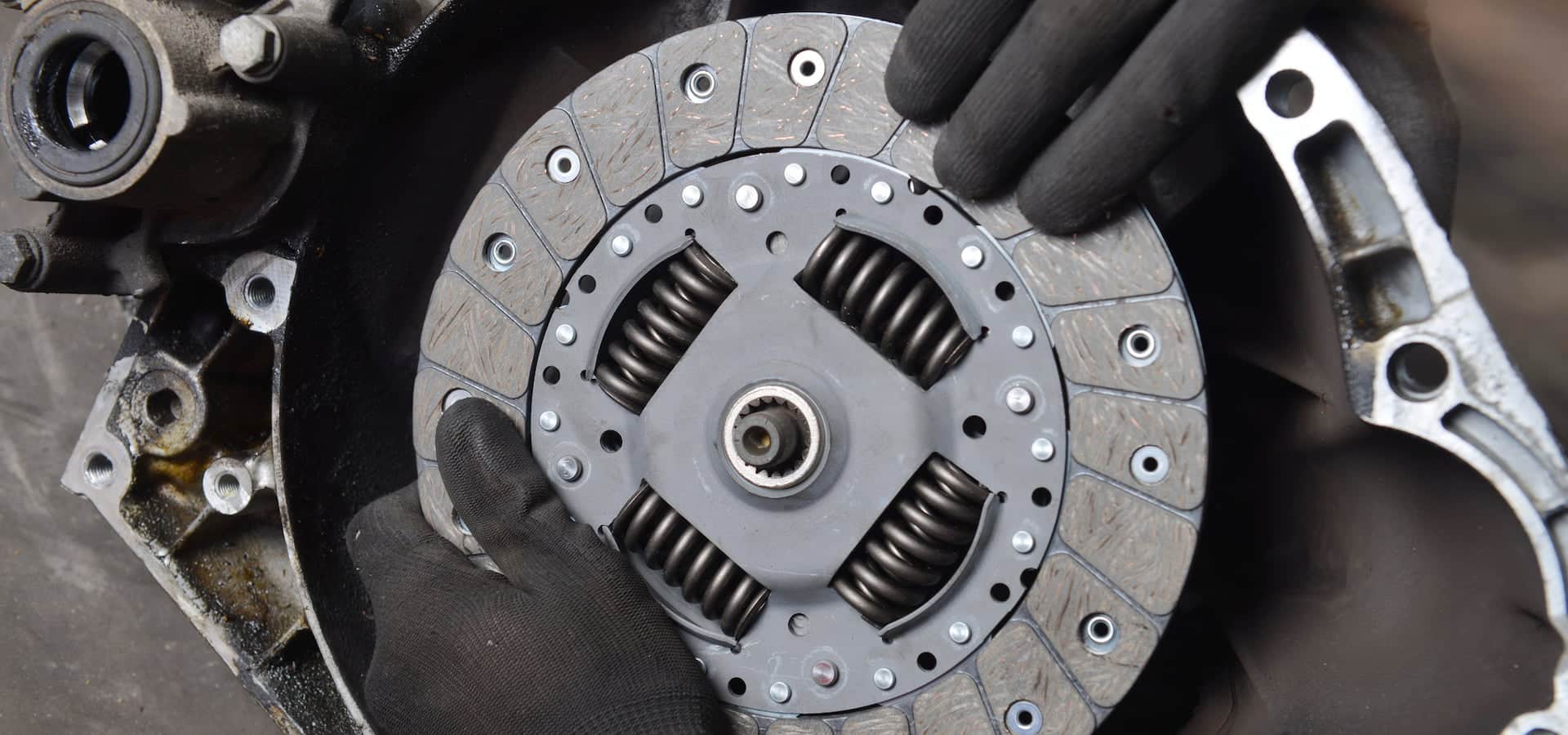
The horizontally opposed engine sits low, so pilot bearing alignment and flywheel runout matter more than on inline platforms. On EJ25 turbo cars (WRX, STI) and the FA20/FA24 in newer chassis, we check the pull-type clutch fork pivot and throwout bearing carrier for wear, and we torque the pressure plate and flywheel bolts to Subaru's staged specs to avoid warping. Push-type versus pull-type actuation varies by generation, and getting that wrong ruins a fresh clutch.
We also verify the hydraulic side – master and slave cylinders leak internally and mimic a failing clutch. Here's what you can expect:
- Honest diagnosis that separates clutch wear from hydraulic or flywheel faults
- OEM-grade clutch kits and correct pilot/throwout bearings for your generation
- Flywheel inspection and resurfacing or replacement when needed
- Transparent pricing and clear updates before any work moves forward
Symptoms – How to Know You Need This Service
Clutch problems on a Subaru usually build slowly, then fail suddenly. Watch for these driver-side warning signs:
- The engine revs climb but speed doesn't follow, especially in 3rd or 4th gear under load – classic clutch slip
- A burning smell after climbing I-70 grades or towing
- Grinding or difficulty getting into gear, particularly 1st and reverse
- A soft, sinking, or spongy clutch pedal that points to a failing master or slave cylinder
- Chattering or shuddering as you release the pedal from a stop
- A high or inconsistent engagement point near the top of pedal travel
- Chirping or rattling that changes when you press the pedal – often the throwout bearing
If the pedal goes to the floor and stays there, or you can't select any gear, stop driving and have the car towed – that's usually hydraulic failure and continuing risks stranding you or damaging the transmission. Slip, mild shudder, or a slightly high engagement point mean you should schedule soon before the flywheel gets scored.
Common Clutch Repair & Replacement Issues on Subaru Vehicles
Subaru's symmetrical AWD layout puts the clutch and transmission in line with the boxer engine, and that geometry creates wear patterns most shops overlook. Here are the failures we see most often across the lineup.
- Throwout bearing chatter on WRX/STI (2008-2021 GD/GR/VA platforms): Hard-launched turbo cars wear the release bearing early, producing a growl that disappears when the pedal is pressed. Aggressive drivers often stack this on top of a slipping OE organic disc.
- Pull-type clutch fork failures on turbo six-speeds: The STI's pull-type release setup and heavier pressure plate stress the fork and pivot. Ignored, it can bend and cause incomplete disengagement.
- Glazed and slipping discs on 2.5i models (Impreza, Legacy, Outback, Forester): Denver's grades and stop-and-go commuting glaze the friction surface, showing up as high-RPM slip under load or on hills.
- Concentric slave cylinder leaks: Later manual Subarus use an internal slave that fails inside the bellhousing, so a soft pedal means dropping the transmission to reach it.
- Dual-mass flywheel wear on turbo models: The DMF develops play and rattle at idle. Reusing a worn flywheel with a fresh disc guarantees a repeat comeback.
- Rear main and axle seal seepage revealed at clutch service: With the transmission out, oil-soaked friction material is common and needs addressing to protect the new clutch.
Which Subaru Models We See for Clutch Repair & Replacement
We service manual-transmission Subarus across nearly every generation. Find your car below:
- WRX (2002–2014, GD/GR/GV chassis, EJ255/EJ257) – heavy clutch wear from spirited driving; frequent upgrade candidates
- WRX (2015+, VA/VB chassis, FA20/FA24 turbo) – 6-speed manual, pull-type actuation, hydraulic issues common
- STI (2004–2021, EJ257, 6-speed) – often running stage clutches; we handle OEM and performance replacements
- Impreza (GC/GD/GE/GJ, various EJ and FB engines) – standard clutch wear on manual cars
- Forester (SF/SG/SH/SJ, EJ25 and FB25 manuals) – earlier manual variants; many later models are CVT and don't apply
- Outback & Legacy (BE/BH/BL/BP with manual transmissions) – manual versions became scarce after roughly 2014
- BRZ (ZC6/ZD8, FA20/FA24, 6-speed manual) – lightweight clutch, chatter and throwout noise are typical complaints
- Crosstrek (GP/GU manual) – 5- and 6-speed manual cars
A note on limits: Subaru's CVT (Lineartronic) models don't have a clutch in the traditional sense, so those need different drivetrain diagnostics. Turbo STI and modified cars sometimes carry aftermarket clutches with unique specs – bring any documentation you have so we match components correctly.
Causes & Risks – What Happens if Ignored
Most Subaru clutch wear traces back to how and where the car is driven. Colorado's mountain passes, frequent cold starts, and heavy towing all push the clutch beyond a flatland duty cycle. Add hard turbo launches and the timeline shortens fast.
A slipping clutch or a growling bearing rarely fixes itself. Small symptoms tend to snowball into major drivetrain work.
- Slip ignored for weeks: Friction heat scorches the flywheel surface, turning a disc-only job into a flywheel replacement.
- Throwout bearing noise left alone: The bearing can seize and damage the fork, pressure plate fingers, and input shaft.
- Leaking slave cylinder: A dropping pedal eventually leaves you unable to shift, often stranding the car in traffic.
- Worn dual-mass flywheel: Excess play transmits shock into the transmission's input bearings, inviting a gearbox rebuild.
- Oil-soaked disc from a seeping rear main: Contamination causes grab and shudder, and the seal only gets harder to reach later.
The safety line is simple – once disengagement becomes unpredictable, the car is no longer trustworthy on a grade or in merging traffic. We'd rather catch it at the slip stage with honest diagnostics than after a stranding.
Safety Impact – Why Clutch Repair & Replacement Matters
A failing clutch affects far more than shifting. On a Subaru, the clutch feeds power through the AWD system, so incomplete engagement upsets how the car puts torque to all four wheels.
- Delayed or partial disengagement makes hill starts and merges unpredictable, especially on Denver's inclines.
- Clutch shudder can unsettle the chassis mid-corner, working against stability and traction control.
- A hydraulic failure that traps you in gear removes your ability to coast to a safe stop.
- Slipping under load robs the AWD system of the smooth torque it expects, dulling acceleration when you need it.
Stop driving now if: the pedal goes to the floor and won't return, you can't select gears, or you smell burning friction material with obvious power loss.
Schedule soon if: you notice occasional high-RPM slip, a bearing growl at idle, or light shudder from a stop.
If a known driveline symptom is left unaddressed and contributes to an incident, that gap can complicate an insurance claim – another reason to document repairs with a shop that communicates clearly.
How Subaru Clutch Repair & Replacement Actually Works
On a manual Subaru, the clutch clamps the flywheel to the transmission input shaft, and because the engine sits longitudinally ahead of the gearbox, the transmission has to come out to reach any of it. That layout, plus Subaru's AWD hardware, is what separates this work from a generic front-drive clutch swap.
We pull the transmission, inspect the flywheel, and replace the clutch as a matched set rather than reusing worn pieces to hit a lower number.
- Pull-type release on turbo six-speeds demands correct fork and pivot setup, not just a disc swap.
- Concentric internal slave cylinders are replaced while the transmission is out, since bleeding and access require it.
- Dual-mass flywheels are measured for runout and free play, then machined or replaced to factory spec.
- Torque and sequence specs for the pressure plate, flywheel bolts, and crossmember are followed to protect alignment and prevent vibration.
- AWD driveline and seals get checked while accessible, so rear main and axle seals are handled before they contaminate new parts.
You'll get transparent pricing on parts and the reasoning behind each recommendation before we start –
How We Diagnose Clutch Repair & Replacement Issues on Subaru
Most shops assume a slipping Subaru clutch is just a worn disc. On the WRX and STI, though, the real culprit is often a failing pilot bearing, a stretched clutch cable-free hydraulic line, or a leaking concentric slave cylinder buried behind the transmission. We look at the whole clutch system before condemning anything.
- Verify the complaint on a road test – we feel for high engagement point, chatter on takeoff, and slip under boost on turbo EJ25 and FA20 platforms.
- Connect Subaru Select Monitor (SSM) to check for stored codes, clutch switch signals, and any transmission or driveline faults that mimic clutch symptoms.
- Inspect the hydraulic circuit – master cylinder, slave, and fluid condition, since spongy pedal feel on 2015+ WRX often traces to air or a weeping seal, not the disc.
- Measure pedal free play and engagement height against Subaru spec.
- Visually inspect for oil contamination from rear main seal leaks, a frequent EJ-series issue that ruins a new disc quickly.
Once we know exactly which parts are worn, we build a clear repair plan and an itemized quote before any wrench turns – no surprises, no guessing.
Clutch Repair & Replacement on Subaru: Repair vs. Replacement
Not every clutch concern means dropping the transmission. Sometimes the fix is small, and we tell you when that's the case.
- True repair: Air in the hydraulic line, a failing clutch master or slave cylinder, or an out-of-spec pedal switch on later WRX models – bleed, adjust, or replace one component and the clutch is fine.
- Partial replacement: A single worn part such as the throwout bearing making noise while the disc still has life, or a leaking rear main seal caught before contamination spreads.
- Full replacement: When the disc is worn to the rivets, the pressure plate shows heat cracking, or the flywheel is scored – common on hard-launched STI cars. Once the transmission is out, replacing disc, pressure plate, throwout bearing, and resurfacing or replacing the flywheel together protects your investment.
Because Subaru clutches sit behind a longitudinal transmission with the crossmember and exhaust in the way, most of the cost is labor to get in there. We walk you through which route makes sense for your mileage and driving style rather than defaulting to the biggest job.
How to Make Your Subaru Clutch Repair & Replacement Last Longer
A fresh Subaru clutch can last well over a hundred thousand miles with the right habits – or burn up fast under abuse.
- Avoid riding the clutch or slipping it to hold position on Denver hills – use the parking brake instead.
- Launch gently in the WRX and STI; repeated hard clutch dumps overheat the disc and pressure plate.
- Fully release the pedal after each shift so the throwout bearing isn't under constant load.
- Let the drivetrain warm before hard driving in cold Colorado mornings.
Owner maintenance you can safely handle:
- Listen for new chatter, squeal, or a rising engagement point and report changes early.
- Check clutch fluid level and color in the reservoir – dark fluid signals a needed service.
- Watch for oil spots under the bellhousing area that hint at a seal leak.
Leave hydraulic bleeding, flywheel work, and any transmission removal to us – these are safety-critical and require Subaru torque specs and proper OEM-grade parts. Use genuine Subaru or equivalent fluids, keep up with service intervals, and we'll keep your clutch performing for the long haul.
What to Expect When You Bring Your Subaru In
Subaru clutch jobs come with wrinkles a generic shop overlooks – the pull-type clutch on many EJ-powered Legacy and Outback models, the hydraulic release bearing behind the pilot bearing, and the AWD driveline that has to come apart to reach the flywheel. Here's how a visit flows:
- Drop-off or appointment: Tell us the symptoms – slipping under boost on a turbo WRX/STI, chatter on takeoff, a high or soft pedal, or a rattle at idle that quiets when you press the pedal (classic throwout bearing).
- Initial inspection: We confirm the concern, check hydraulic line and slave function, and note whether the flywheel is a solid or dual-mass unit before quoting.
- Written estimate: You get a clear, itemized breakdown covering the clutch kit, flywheel service, rear main seal check, and any related driveline parts – no surprise add-ons.
- Communication during the work: We call before doing anything beyond the approved scope, like a leaking rear main seal found once the transmission is out.
- Pickup walkthrough: We show you the old parts and explain what wore and why.
Loaner and shuttle options help you stay mobile, and after-hours pickup can be arranged. Clear personal items from the cabin beforehand. Every clutch job ends with a road test through the gears plus a scan-tool re-check, and if the pedal feel isn't right after you drive it, bring it back and we'll re-verify.
Why Choose Elevation Auto Repair for Subaru Clutch Repair & Replacement
We treat Subaru clutch work as driveline work, not just a parts swap. Reaching the flywheel on a Symmetrical AWD car means dropping the transmission and handling the release system correctly – something we do routinely across Impreza, Forester, Outback, WRX and STI platforms.
- Brand-specific knowledge: We track Subaru TSBs and known quirks – judder from the wrong flywheel resurfacing, pull-type versus push-type release differences across generations, and hydraulic bleed procedures that trip up general shops.
- Right parts for the build: Stock replacements for a daily Outback, heavier-duty options for a modified WRX pushing more torque.
- End-to-end ownership: The same shop diagnoses the concern, performs the repair, and road-tests plus scan-checks it before handing back the keys.
As your Denver dealership alternative, we give you transparent pricing and straight answers – you'll know what we're replacing and why. We'd rather flag a rear main seal while the transmission is already out than have you back next month for another labor-heavy teardown.
Our Subaru Services
- Air Conditioning AC Repair
- Battery Repair Replacement
- Brake Repair & Brake Fluid Change
- Check Engine Light Diagnostics
- Coolant Leak Repair
- Cooling System Repair
- Drive Shaft Repair
- Engine Repair
- Exhaust & Catalytic Converter Repair
- Head Gasket Repair & Replacement
- Oil Change
- Oil Leak Repair
- Scheduled Service Maintenance
- Steering Repair
- Suspension Repair
- Cambelt Timing Belt Replacement
- Transmission Repair
- Tune Up
- Wheel Alignment