Lincoln Clutch Repair & Replacement at Elevation Auto Repair
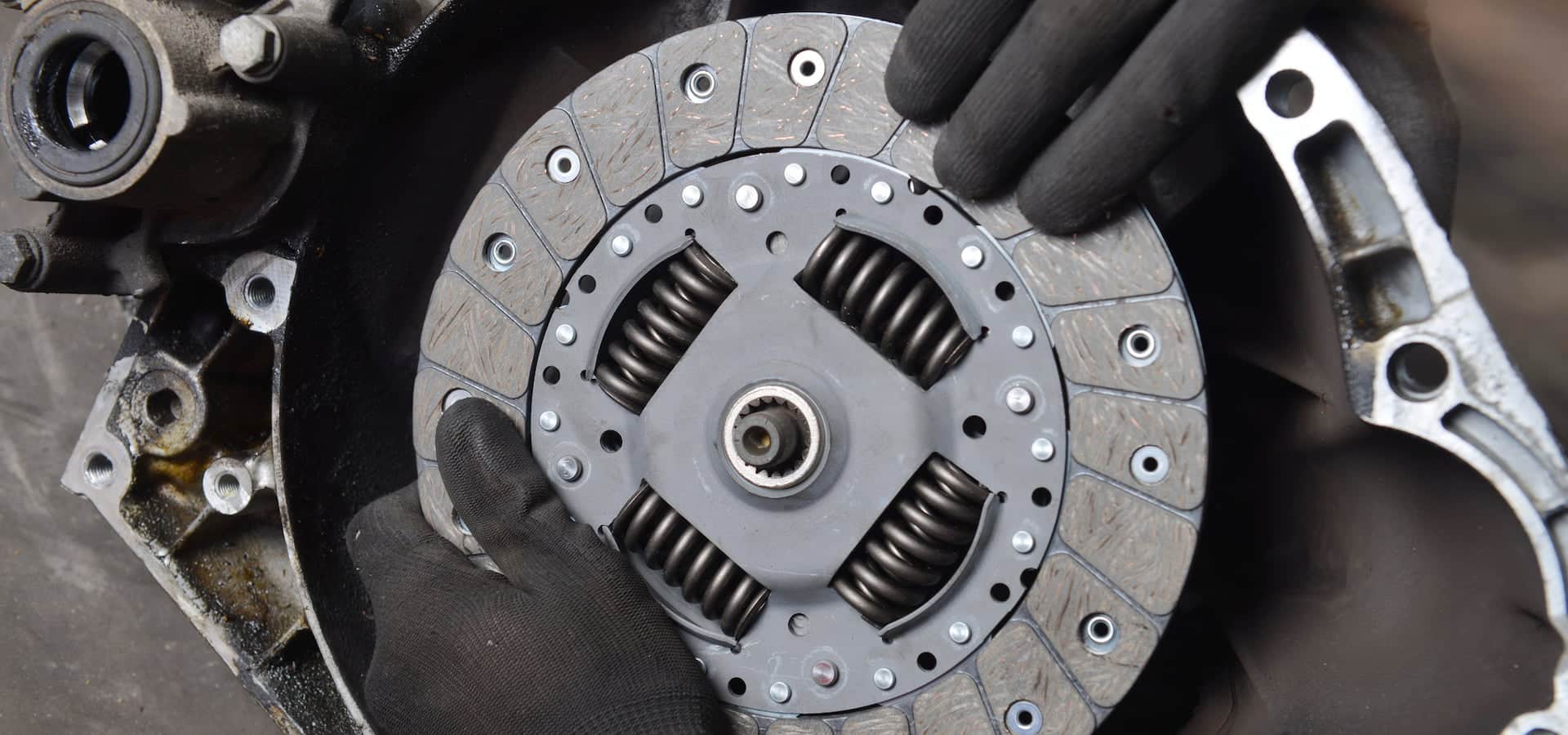
If your Lincoln's clutch is slipping, grabbing, or feeling like it's on borrowed time, the drivetrain is telling you something. Manual-transmission Lincolns are rare enough that many shops guess at the job – we don't. Clutch service means matching the correct friction disc, pressure plate, release bearing, and pilot bearing to your exact application, then setting them up with the precision the factory intended.
Getting a Lincoln clutch right involves more than swapping parts. Hydraulic release systems need proper bleeding to remove air from the master and slave cylinders, and flywheel condition has to be measured before deciding to resurface or replace. On models with a dual-mass flywheel, checking for excessive rotational play is a step that separates a lasting repair from a repeat visit. We also verify transmission input shaft splines and pilot bearing fit so the new disc rides true.
Here's what you can expect when you bring your Lincoln to us:
- An honest inspection that confirms the clutch – not another driveline component – is the root cause
- OEM-grade or better friction components matched to your specific model and engine
- Flywheel measurement and machining or replacement based on real specs, not assumptions
- A properly bled hydraulic system and a road test before we hand back your keys
Symptoms – How to Know You Need This Service
Clutch trouble rarely arrives all at once. You may notice small changes weeks before the system finally gives up. Watch for these signs:
- Slipping under load – engine RPM climbs but speed doesn't follow, especially climbing I-70 or merging onto the highway
- A burning smell after stop-and-go driving, similar to scorched brakes
- High or soft pedal engagement – the clutch catches near the very top or feels spongy from air in the hydraulics
- Grinding or crunching when shifting into gear, hinting at a worn release bearing or failing synchros
- Shuddering or chatter when you let the pedal out from a stop
- A rattle at idle that quiets when you press the pedal, often a throwout or dual-mass flywheel symptom
- Difficulty engaging reverse or first gear while stopped
A slipping or shuddering clutch means schedule soon before it strands you. A pedal that drops to the floor and won't return, or a car you can't shift into gear at all, means stop driving and call us – continuing risks damage to the transmission and flywheel.
Common Clutch Repair & Replacement Issues on Lincoln Vehicles
Most Lincoln drivers who land on this page are feeling something different under their foot – a high, grabby pedal, a shudder when they pull away, or a burning smell after a hill climb. While Lincoln has leaned heavily toward automatics and hybrid drivetrains in recent decades, manual and clutch-driven components still show up in older models and in the torque converter and dual-clutch systems that behave much the same way. Here is what we see most often:
- PowerShift dual-clutch shudder on 2013-2016 Lincoln MKZ (shared 6DCT250 with Ford Fusion): dry-clutch designs are prone to juddering on takeoff, delayed engagement, and clutch material glazing – a known wear path on this platform.
- Clutch slip on older Lincoln LS manual-equipped variants: friction disc wear paired with a worn pressure plate causes RPM flare under load, especially noticeable on Denver's grades.
- Hydraulic release system leaks: concentric slave cylinders and master cylinders lose pressure over time, producing a soft or sinking pedal that drops clutch engagement quality.
- Dual-mass flywheel failure: rattling at idle and gear-change clunk on higher-mileage Lincolns, where the flywheel's internal springs and damper degrade.
- Throwout bearing noise: a chirp or grind that changes when the pedal is pressed, common as mileage climbs.
- TCM software and clutch adaptation faults on dual-clutch units: outdated calibration causes harsh or hesitant engagement even when hardware is healthy.
Correctly separating a software adaptation issue from worn friction material is where accurate diagnosis saves you money.
Which Lincoln Models We See for Clutch Repair & Replacement
Manual transmissions are uncommon across the Lincoln lineup, so most clutch work we perform involves clutch-related driveline components, hydraulic actuation, and the rare manual application. Here's where this service typically applies:
- Lincoln LS (2000–2006) – the DEW98 platform shared with the Jaguar S-Type and Ford Thunderbird; a genuinely enthusiast-oriented rear-drive sedan where manual and clutch-related driveline service comes up
- Lincoln Continental and Town Car – automatic-equipped, but we handle torque converter and driveline concerns often mistaken for clutch symptoms
- Lincoln MKZ (2007–2020) – front-drive and AWD variants; clutch-pack and transaxle-related issues on the automatic drivetrain
- Lincoln MKX / Nautilus and MKC / Corsair – transfer case and driveline components on the AWD systems
- Lincoln Aviator (2020+) – modern rear-biased platform with driveline service needs
If you're driving a true manual Lincoln, tell us the exact year and engine so we source the correct dual-mass or single-mass setup. For fully automatic models, what feels like clutch slip is frequently a transmission or torque converter concern – we'll diagnose it accurately rather than guess. We're upfront when a repair falls outside our common work, and we'll point you in the right direction either way.
Causes & Risks – What Happens if Ignored
Clutch wear on a Lincoln accelerates from a mix of stop-and-go city driving, mountain grades around Denver, towing loads, and simple age. Dual-clutch units add heat as a factor – repeated low-speed crawling cooks a dry clutch faster than steady highway miles.
A small symptom rarely stays small. Ignoring early shudder or slip lets the friction surface glaze and the flywheel score, turning a straightforward clutch job into a much larger repair.
- Ignoring clutch slip: overheats and glazes the friction disc, then scores the flywheel – now the flywheel must be resurfaced or replaced too.
- Ignoring a soft hydraulic pedal: a small slave cylinder leak becomes total loss of clutch actuation, often leaving you stranded.
- Ignoring dual-mass flywheel rattle: internal damper failure can send debris into the bellhousing and damage the pressure plate.
- Ignoring dual-clutch shudder on the MKZ: repeated heat cycles wear both clutch packs and can pull the transmission control module into limp mode.
- Delaying throwout bearing noise: a failed bearing can seize and take the clutch fork and input shaft with it.
The safety side matters too – a clutch that suddenly won't disengage in traffic or on a grade leaves you unable to control power delivery when you need it most.
Safety Impact – Why Clutch Repair & Replacement Matters
A failing clutch does more than annoy you. On a Lincoln, drivetrain trouble ripples into how the vehicle launches, holds a grade, and responds when you need immediate control. Loss of clean engagement can leave you rolling backward on an incline or unable to accelerate out of a hazard. Dual-clutch limp mode can drop the car into a single fixed gear, affecting stability and traction behavior at speed.
- Stop driving now: clutch won't disengage, pedal goes to the floor and stays there, burning smell with loss of power, or grinding that prevents gear selection.
- Schedule soon: mild shudder on takeoff, occasional slip under load, faint bearing chirp, slightly high engagement point.
There is a liability angle worth knowing. If a known driveability defect is left unaddressed and contributes to an incident, that can complicate insurance and fault questions. Documented, OEM-aligned repair records protect you. Our honest diagnostics mean we tell you plainly whether you're in the "drive it carefully" or "park it today" category – no upsell, no scare tactics.
How Lincoln Clutch Repair & Replacement Actually Works
The clutch is the link between your engine and transmission. Press the pedal and the pressure plate releases the friction disc so gears can change; release it and the disc clamps against the flywheel to transfer power. On dual-clutch Lincolns like the MKZ's 6DCT250, two clutch packs and a mechatronic controller handle shifts automatically, which is why software matters as much as hardware.
What makes Lincoln work different from a generic clutch swap:
- Clutch adaptation and TCM relearn: dual-clutch units require factory-level software to reset engagement points after new components are installed.
- Dual-mass flywheel specs: Lincoln torque sequences and runout tolerances must be respected, not guessed.
- Concentric slave cylinder bleeding: the internal release system demands proper procedure to remove all air, or the pedal never feels right.
- OEM-aligned friction components: matching the correct disc and pressure plate for the platform prevents repeat shudder.
Our technicians use factory-grade diagnostic tooling to confir
How We Diagnose Clutch Repair & Replacement Issues on Lincoln
You slide behind the wheel of your MKZ or Continental and something feels off – a high, grabby engagement point, a shudder pulling away from a stop, or a pedal that no longer springs back cleanly. On the manual-equipped Lincoln platforms and the dual-clutch and automatic-clutch systems in the modern lineup, the cause is rarely obvious from the driver's seat, so we work through a structured sequence.
- Interview and history review – we log the exact conditions where the symptom appears (cold start, hard launch, hill holds) and check for prior clutch or transmission work.
- Factory-level scan – using IDS/FDRS with the Lincoln VCM interface, we pull transmission and clutch adaptation data, actuator counts, and stored DTCs that point to slip, engagement fault, or hydraulic pressure loss.
- Road test – we replicate the fault, feel for shudder, chatter, or slip under load, and confirm engagement height against spec.
- Visual and hydraulic inspection – we check the clutch master and slave cylinder, hydraulic lines, and fluid condition, and look for leaks at the bellhousing or contamination from a weeping rear main seal.
- Measurement – free play, pedal travel, and, where accessible, disc wear and flywheel runout.
From there we translate findings into a clear written repair plan and quote, so you know exactly which parts are worn and why before any work begins.
Clutch Repair & Replacement on Lincoln: Repair vs. Replacement
Not every clutch complaint means pulling the transmission. We sort the job into the smallest fix that actually solves the problem.
- Genuine repair – a soft or sinking pedal on a hydraulic setup is often just a failing clutch master or slave cylinder, air in the line, or degraded fluid. Bleeding, resealing, or replacing a single hydraulic component restores normal engagement without touching the disc.
- Partial replacement – when the friction disc is worn but the pressure plate and flywheel measure within spec, we replace the disc, throwout bearing, and pilot bearing while reusing serviceable parts. On adaptive systems, we follow the Lincoln relearn procedure so engagement points recalibrate correctly.
- Full replacement – heat-glazed or warped flywheels, contaminated discs from an oil leak, or cascading wear across the pressure plate call for a complete clutch kit. When the labor to reach the assembly makes reusing marginal parts a false economy, a full kit is the honest choice.
Because the transmission has to come out either way on many of these platforms, we walk you through the trade-offs and let you decide – we never default to the most expensive path.
How to Make Your Lincoln Clutch Repair & Replacement Last Longer
A fresh clutch can go the distance when the habits around it are right, and much of that is in the driver's hands.
- Driving habits – avoid riding the pedal at stoplights, don't slip the clutch to hold on Denver hills, downshift instead of slipping to slow down, and let the car warm briefly before hard launches in cold weather.
- Load awareness – ease off from stops when carrying passengers or towing to reduce heat buildup on the disc.
- Owner monitoring – listen for new chatter or bearing whine, watch for a rising engagement point, keep an eye out for hydraulic fluid drips near the pedal or bellhousing, and note any transmission warning lights.
Brand-specific care matters too:
- Use OEM-spec hydraulic and transmission fluids – off-spec fluid can swell seals and dull engagement on the dual-clutch systems.
- Keep powertrain control software current, since Lincoln updates can refine clutch adaptation strategy.
- Follow the factory service intervals for fluid and driveline inspection.
Checking fluid level and listening for changes are safe DIY tasks. Bleeding hydraulics, adaptation relearns, and anything requiring the transmission to come out should stay with the shop – it's a safety-critical system, and we handle it under one roof.
What to Expect When You Bring Your Lincoln In
Most drivers roll in because the pedal feels off – a high or spongy engagement point, a shudder pulling away from a stop, or that burnt-clutch smell after a hard climb up I-70. Whatever brought you here, we start by listening and then verify with hands-on inspection.
- Appointment and drop-off – Schedule ahead or drop the keys. Grab personal items from the cabin; shuttle service and loaner options are available so you're not stranded.
- Initial inspection – We confirm your symptoms, measure clutch pedal free play, check hydraulic slave and master cylinder function, and scan for stored codes on models with electronic clutch position monitoring.
- Written estimate – You get a clear line-item breakdown covering the clutch disc, pressure plate, release bearing, pilot bearing, and any flywheel resurfacing or replacement before we touch a bolt.
- Repair updates – We call or text as findings develop, so surprises like a scored flywheel or leaking rear main seal get your approval first.
- Pickup walkthrough – We show you the removed parts, explain what failed, and cover break-in guidance for the new clutch. After-hours pickup can be arranged.
Before you leave, every Lincoln gets a road test to confirm clean engagement through all gears plus a scan-tool re-check to clear and verify systems. If anything feels different afterward, bring it back – we'll re-inspect and make it right.
Why Choose Elevation Auto Repair for Lincoln Clutch Repair & Replacement
Clutch work on a Lincoln isn't a one-size job. Manual-equipped Lincolns are rare, and many drivers arrive with clutch-adjacent complaints on models using the Getrag/dual-clutch and torque-converter setups shared across the Ford/Lincoln platform, where mechatronic and hydraulic faults masquerade as clutch wear.
- Correct diagnosis first – We distinguish a genuinely worn clutch from slave cylinder failure, flywheel dowel issues, or software-driven engagement complaints before recommending a teardown.
- TSB and software awareness – We check for applicable Lincoln service bulletins and calibration updates that affect clutch/transmission behavior rather than replacing parts blindly.
- OEM-aligned procedures – Proper bellhousing alignment, pilot and release bearing replacement as a set, flywheel inspection, and torque-to-spec fasteners with fresh hardware where required.
We own the job end to end – diagnosis, teardown, reassembly, and post-repair verification on the same bench – so nothing gets handed off or guessed at. That's the difference between a parts swap and a repair built for long-term reliability, all under one roof at your Denver dealership alternative.
Our Lincoln Services
- Air Conditioning AC Repair
- Battery Repair Replacement
- Brake Repair & Brake Fluid Change
- Check Engine Light Diagnostics
- Coolant Leak Repair
- Cooling System Repair
- Drive Shaft Repair
- Engine Repair
- Exhaust & Catalytic Converter Repair
- Head Gasket Repair & Replacement
- Oil Change
- Oil Leak Repair
- Scheduled Service Maintenance
- Steering Repair
- Suspension Repair
- Cambelt Timing Belt Replacement
- Transmission Repair
- Tune Up
- Wheel Alignment