Cadillac Clutch Repair & Replacement at Elevation Auto Repair
Manual-transmission Cadillacs are rare birds, and that rarity is exactly why clutch work on them belongs with a shop that knows the platform. The V-Series cars – think the CTS-V with its Tremec TR6060 six-speed – put serious torque through the driveline, and a wrong-spec clutch or sloppy hydraulic bleed shows up fast as chatter, judder, or a pedal that won't fully disengage.
Doing this right on a Cadillac is not the same as a domestic pickup clutch swap. The dual-mass flywheel on the LSA and LS6 cars needs to be inspected for heat cracking and free play, not just bolted back on. The concentric slave cylinder hides inside the bellhousing, so a partial job that skips it invites a second teardown.
We match OEM torque specs on the pressure plate and flywheel bolts, use the correct DOT fluid, and properly bleed the hydraulic circuit so pedal feel comes back the way GM intended.
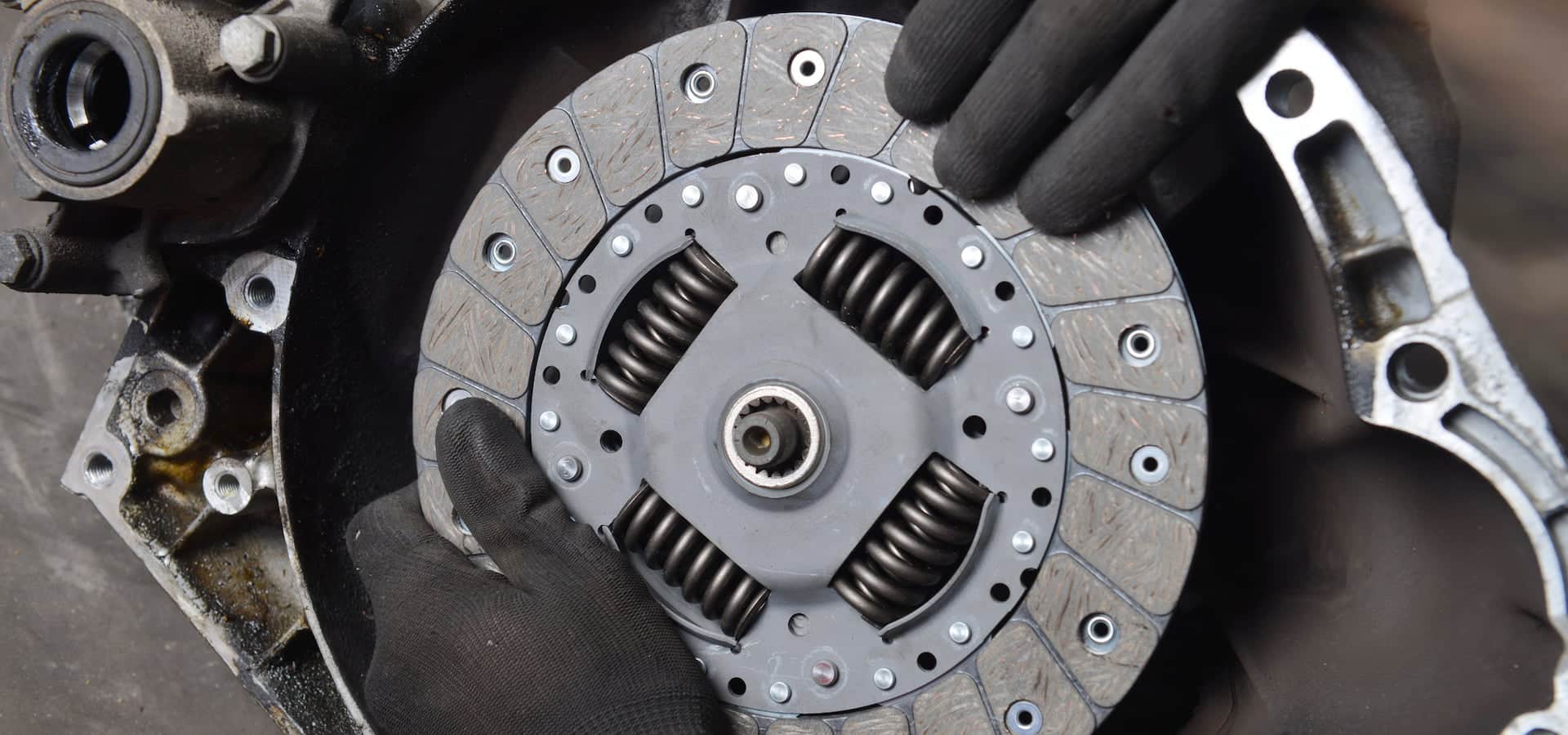
- Full inspection of clutch disc, pressure plate, flywheel, and release bearing
- Concentric slave cylinder replacement addressed during the same teardown
- Correct torque-to-spec assembly and complete hydraulic bleed
- Honest diagnosis – we won't sell parts your car doesn't need
Symptoms – How to Know You Need This Service
Clutch trouble builds gradually, then gets urgent. Here's what you may notice from the driver's seat:
- Slipping under load – engine RPM climbs but speed doesn't follow, especially in 4th, 5th, or 6th gear on a highway pull
- High or vague engagement point – the pedal grabs near the top of its travel or feels inconsistent
- Shudder or judder when pulling away from a stop, common as the dual-mass flywheel wears
- Burning smell after stop-and-go traffic or steep Denver-area grades
- Grinding or difficulty selecting gears, particularly when the clutch won't fully release
- Rattle at idle that quiets when the pedal is pressed, often a failing release bearing or flywheel
- A pedal that sinks to the floor or feels spongy – a hydraulic or slave cylinder issue
A burning smell, a pedal that drops to the floor, or gears you can't engage means stop driving and call us – continuing risks stranding you or damaging the transmission. Slight slipping or a rising engagement point is safe to schedule soon before it worsens.
Common Clutch Repair & Replacement Issues on Cadillac Vehicles
Manual and dual-clutch Cadillacs share some wear paths and diverge on others. These are the patterns we see most often across the fleet:
- Slipping clutch on 2004-2007 CTS-V (LS6/LS2): The high torque of the LS engines chews through the factory single-disc clutch, especially when owners upgrade for more power without addressing the pressure plate. Slip under hard acceleration is the tell.
- Worn release/throwout bearing on 2003-2014 CTS manuals: A growling noise that changes when the pedal is pressed points to the release bearing riding on the pressure plate fingers.
- Hydraulic clutch failure on ATS and CTS six-speed manuals: The concentric slave cylinder lives inside the bellhousing. When it leaks, the pedal goes soft and the whole transmission has to come out to reach it – a design choice that turns a small part into a big job.
- Dual-clutch mechatronic issues on ATS-V / CTS-V (2016+): These use an automated setup where clutch packs and the control unit wear together, showing up as harsh engagement or shudder from a stop.
- Flywheel scoring and dual-mass flywheel wear: Heat cycling glazes the friction surface; a rattling flywheel at idle signals the dampers are done.
- Pilot bearing failure on high-mileage manuals: Causes grinding when shifting into gear even with the clutch fully depressed.
Which Cadillac Models We See for Clutch Repair & Replacement
Cadillac's manual-gearbox lineup is short, which makes model-specific experience matter. These are the platforms we most often see:
- CTS-V Gen 1 (2004-2007) – LS6/LS2 with the Tremec T56 six-speed; watch for worn dual-mass flywheels and hydraulic release issues
- CTS-V Gen 2 (2009-2015) – supercharged LSA making big torque through the TR6060; clutch and flywheel wear accelerate on tracked or heavily driven cars
- CTS-V Gen 3 (2016+) – primarily automatic, but manual-optioned CTS and ATS models share related driveline service needs
- ATS and ATS-V (2013-2019) – available six-speed manuals; the ATS-V's twin-turbo LF4 puts real stress on the clutch assembly
- CTS 3.6L manual variants – less common, but we service the six-speed cars alongside the V models
The V-Series cars deserve extra attention because their higher torque output wears clutch and flywheel components faster than the base six-speeds. If you have a rare early manual or an aftermarket clutch already installed, bring it in – we'll confirm the setup before quoting anything. Most modern Cadillacs are automatic or 10-speed builds, so if yours isn't a manual, we'll point you toward the right transmission or driveline service instead.
Cadillac drivers pointing at a manual clutch are usually behind the wheel of an older CTS or ATS – the brand went almost entirely automatic and, more recently, dual-clutch, on performance trims. That split matters, because "clutch work" on a Cadillac can mean a traditional single-disc setup, a hydraulic release system, or the CTS-V's high-torque coupling. Knowing which one you have shapes the whole repair, and we sort that out before touching a single bolt.
Causes & Risks – What Happens if Ignored
Denver's stop-and-go traffic and long grades wear clutches faster than flat highway driving. Add altitude-related throttle habits, aging hydraulic seals, and the natural friction-material loss of any clutch, and problems build quietly until they don't.
Waiting rarely saves money. A slipping disc that could have been a straightforward replacement often takes the flywheel and pressure plate with it once the friction material burns through to the rivets.
- Ignoring a slipping clutch for weeks glazes and scores the flywheel, turning a disc-and-plate job into a flywheel resurfacing or replacement.
- A leaking concentric slave cylinder that isn't addressed can leave you stranded when the pedal drops to the floor and the car won't move.
- Continuing to drive on a failing release bearing lets it seize, which can damage the input shaft and clutch fork.
- Dual-clutch shudder left unattended stresses the mechatronic unit, escalating a fluid-and-clutch service into a control-module repair.
- Pilot bearing neglect wears the transmission input shaft snout, adding a costly component to the bill.
The safety line gets crossed when the clutch slips so badly you can't merge or climb a grade under load. That's not a "next month" problem.
Safety Impact – Why Clutch Repair & Replacement Matters
A failing clutch changes how your Cadillac responds at exactly the moments you need control – merging onto I-25, holding on a hill, or accelerating out of an intersection. Power delivery becomes unpredictable, and a stalled or stuck car in traffic is a hazard to everyone around it.
On dual-clutch models, harsh or delayed engagement can interact with stability and traction control behavior, since the driveline isn't delivering torque the way the system expects.
- Stop driving now: pedal goes to the floor and won't return, car won't move in gear, or a burning smell with sudden loss of power on a grade.
- Stop driving now: grinding that prevents the car from going into gear at all.
- Schedule soon: occasional slip under hard acceleration, mild shudder from a stop, or a soft pedal that still works.
- Schedule soon: a light growl from the release bearing that hasn't yet affected shifting.
There's also a liability angle – if a known driveability problem contributes to an incident, "I meant to get it looked at" is a weak position. Addressing it early keeps you covered and keeps the car predictable.
How Cadillac Clutch Repair & Replacement Actually Works
A manual clutch connects the engine to the transmission through friction: the disc squeezes between the flywheel and pressure plate, and pressing the pedal releases that grip so you can shift. On most manual Cadillacs, a hydraulic system moves a concentric slave cylinder inside the bellhousing to do the releasing – which is why the transmission comes out for what sounds like a small part.
Cadillac's implementation adds steps a generic clutch job skips:
- Concentric slave design: the release cylinder is internal, so it's replaced whenever the transmission is out – not doing so invites a repeat teardown.
- Dual-clutch models need proper fluid fill and, in many cases, adaptation resets through GM diagnostic software so the control unit relearns engagement points.
- High-torque CTS-V setups call for correct pressure-plate matching and precise flywheel bolt torque and sequence to avoid vibration.
- Hydraulic bleeding follows a
Manual-transmission Cadillacs are a rare breed – the CTS-V (both the 2004-2007 first-gen with the LS6/LS2 and the 2009-2015 supercharged LSA cars) shipped with Tremec six-speeds and hydraulic clutch actuation. That setup rewards precise diagnosis, because a soft pedal or shudder can trace back to the slave cylinder, the dual-mass flywheel, or the clutch disc itself. We sort out which one before anything comes apart.
How We Diagnose Clutch Repair & Replacement Issues on Cadillac
A clutch complaint on a CTS-V rarely points to a single cause on its own. We work through a repeatable sequence to isolate it.
- Interview the owner about symptoms – slipping under boost, chatter from a stop, a pedal that sinks to the floor, or grinding on the 1-2 shift.
- Connect a GM-compatible scan tool (GDS2/Tech2 equivalent) to pull transmission and driveline codes, check for stored misfire or torque-management flags, and confirm no electronic actuation faults on the hydraulic system.
- Perform a hydraulic pressure and bleed check on the master and concentric slave cylinder, watching for internal leakage that mimics a worn disc.
- Road test under controlled load – roll-on acceleration in a tall gear to expose slip, and low-speed engagement to catch dual-mass flywheel rattle.
- Visually inspect the bellhousing area, fluid condition, and pedal free-play, then measure clutch engagement point against spec.
Combining scan data with a physical road test keeps us from replacing parts that test fine. On the LSA cars especially, a slipping complaint is sometimes a hydraulic bleed issue, not a burned disc. Once we know the real cause, you get a plain-language repair plan and a written quote before we touch a bolt.
Clutch Repair & Replacement on Cadillac: Repair vs. Replacement
Not every clutch complaint means a full teardown. We match the fix to the actual failure.
- Genuine repair – A sinking pedal from a failed concentric slave cylinder or a bad master cylinder, or a pedal-height adjustment and fresh hydraulic fluid, can restore normal operation with the clutch pack intact.
- Partial replacement – On a CTS-V with a healthy disc but a rattling dual-mass flywheel, replacing the flywheel and release bearing while reusing serviceable components makes sense. Same goes for a leaking slave cylinder found during an unrelated job.
- Full replacement – Once the disc is glazed or worn to the rivets, the pressure plate is heat-checked, and the flywheel shows scoring, piecemeal work is false economy. When labor to open the bellhousing is already committed and multiple components are compromised, a complete clutch kit is the right call.
Because the transmission has to come out either way, we walk you through where your car actually sits on that scale. If a slave cylinder solves it, that is what we recommend – not the most expensive line item.
How to Make Your Cadillac Clutch Repair & Replacement Last Longer
A fresh clutch in a 500-plus horsepower CTS-V lives or dies by how it is driven and maintained.
- Avoid riding the pedal at stoplights and slipping the clutch to hold on hills – full engagement or full disengagement, nothing in between.
- Let the driveline warm before hard launches, and skip repeated aggressive starts that overheat the disc and dual-mass flywheel.
- Be realistic about power adders – a stock clutch behind a tuned LSA wears fast under added torque.
Owner maintenance you can safely handle:
- Watch the hydraulic clutch fluid reservoir level and note any change in pedal feel or engagement point.
- Listen for new chatter or grinding and report it early, before minor wear cascades.
- Keep up with Cadillac's service intervals and apply GM software updates that affect torque management.
Use the correct OEM-spec hydraulic fluid and quality clutch components – bargain kits often shudder or fade. Fluid checks and listening are fair game at home, but hydraulic bleeding and any bellhousing work belong in the shop, where we can verify pressure and engagement correctly. Bring it to us and we will keep it dialed in.
What to Expect When You Bring Your Cadillac In
The manual-gearbox Cadillac is a rare bird – the ATS-V and CTS-V (Gen 2 and Gen 3) shipped with Tremec six-speeds, and their dual-mass flywheels and hydraulic release bearings behave differently than a garden-variety clutch job. We treat the whole visit as a documented process.
- Drop-off and intake – Schedule an appointment or leave the car with us. We log your concern: slipping under boost, chatter on takeup, a high or soft pedal, or a whine that changes with clutch position.
- Initial inspection – We verify hydraulic system pressure, check the concentric slave cylinder, and inspect for the LSA/LT4 rear main seal seepage that often shows up alongside worn friction discs.
- Written estimate – You get a line-by-line breakdown before any wrench turns, including flywheel resurface-versus-replace recommendations.
- Work in progress – We text or call with updates and photos, and we never proceed on added items without your approval.
- Pickup walkthrough – We show you the removed parts and explain what we found.
Loaner and shuttle options help you stay mobile, and after-hours pickup is available. Clear out personal items from the cabin beforehand. Every Cadillac leaves after a road test and a scan-tool re-check for stored codes. If the pedal or engagement ever feels off, bring it back and we make it right.
Why Choose Elevation Auto Repair for Cadillac Clutch Repair & Replacement
Clutch work on a V-Series is not a bolt-and-go job. We follow GM torque sequences for the bellhousing and pressure plate, bleed the hydraulic system to spec so you avoid the soft-pedal complaints these cars are prone to, and check for relevant TSBs and PCM updates that affect launch behavior.
- Platform familiarity – Alpha and Sigma chassis quirks, dual-mass flywheel wear patterns, and CSC failures on higher-mileage CTS-V and ATS-V builds.
- Right parts, right call – We advise when a flywheel can be resurfaced versus when a worn dual-mass unit needs replacement rather than guessing.
- End-to-end ownership – The same shop diagnoses, repairs, and verifies the work, so nothing falls through the cracks.
As your Denver dealership alternative, we handle the whole car – rear main seals, transmission mounts, and driveline checks that ride alongside a clutch replacement – with honest diagnostics and no padded repairs.
Our Cadillac Services
- Air Conditioning AC Repair
- Battery Repair Replacement
- Brake Repair & Brake Fluid Change
- Check Engine Light Diagnostics
- Coolant Leak Repair
- Cooling System Repair
- Drive Shaft Repair
- Engine Repair
- Exhaust & Catalytic Converter Repair
- Head Gasket Repair & Replacement
- Oil Change
- Oil Leak Repair
- Scheduled Service Maintenance
- Steering Repair
- Suspension Repair
- Cambelt Timing Belt Replacement
- Transmission Repair
- Tune Up
- Wheel Alignment