Nissan Clutch Repair & Replacement at Elevation Auto Repair
Nissan manual gearboxes reward drivers with crisp shifts, but the clutch system that makes them fun also takes real abuse in Denver stop-and-go traffic and on mountain grades. A proper clutch job on a Nissan is more than swapping a friction disc – it means matching the right kit to the platform and following torque sequences the factory calls for.
The differences show up fast between models. The 350Z and 370Z (VQ35/VQ37) use a pull-type clutch with a concentric slave cylinder that many quick-lube shops mishandle, while high-torque builds on the GT-R (R35) run twin-disc setups that demand exact bleeding and break-in procedures. On FWD platforms like the Sentra and Altima, dual-mass flywheel wear and pilot bearing condition drive whether a resurface or replacement is the honest call.
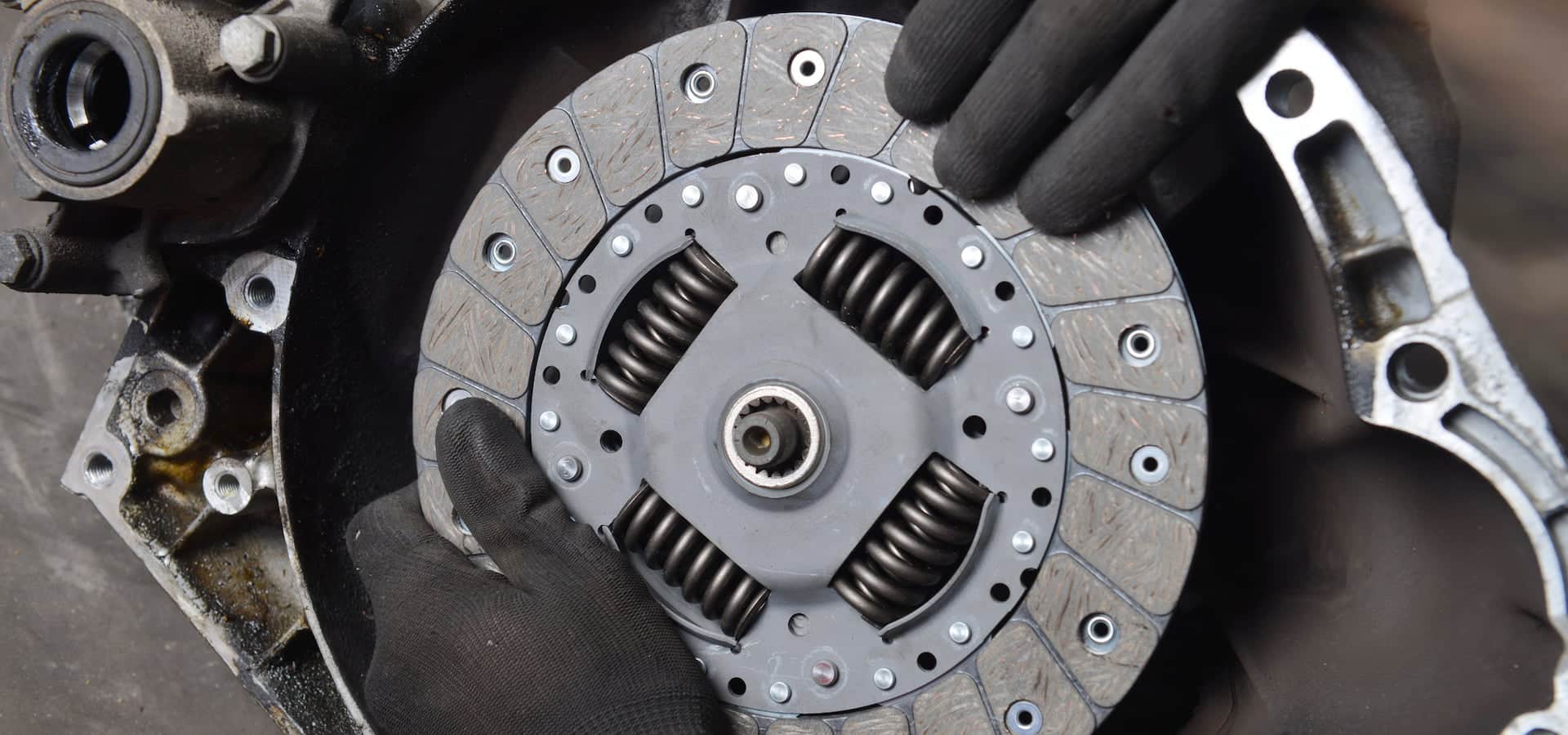
We diagnose with the correct hydraulic pressure checks, inspect the flywheel for hot spots and runout, and torque pressure plate and flywheel bolts to Nissan spec – often with fresh thread-locker where required. Here is what you can expect:
- Straight diagnosis with no upsell on parts your clutch does not need
- OEM-grade or performance-matched clutch kits chosen for your driving
- Correct hydraulic bleed and slave cylinder service, not a shortcut fill
- Clear updates and a car that shifts the way Nissan intended
Symptoms – How to Know You Need This Service
Clutch problems build gradually, then get bad quickly. From the driver's seat, you may notice:
- Slipping under load – engine RPM climbs but speed lags, especially uphill or in higher gears. This is a schedule-soon issue that worsens fast.
- Burning smell – an acrid odor after hard launches or hill starts points to a glazing friction disc.
- Soft or sinking pedal – often a failing clutch master or slave cylinder; if the pedal drops to the floor and won't return, stop driving and have it towed.
- Grinding into gear – trouble engaging first or reverse suggests the clutch isn't fully disengaging.
- Shudder or chatter off the line – common with worn dual-mass flywheels on Nissan FWD models.
- Growl or rattle at idle that quiets when you press the pedal – a worn release or pilot bearing.
- High engagement point – the clutch grabbing near the top of pedal travel usually means the disc is near end of life.
Slipping, grinding, and a pedal that won't return all mean bring the car in promptly – driving on a failing clutch can score the flywheel and turn a routine job into a larger repair.
Common Clutch Repair & Replacement Issues on Nissan Vehicles
Nissan clutch complaints tend to cluster around specific chassis and drivetrain families. These are the patterns we see most often:
- 350Z / 370Z (Z33/Z34, VQ35/VQ37): High-clamp-load pressure plates and heat-soaked release bearings on tracked or aggressively driven cars – judder on takeoff and a high, vague engagement point are classic tells.
- 240SX (S13/S14, KA24 and SR20DET swaps): Worn pilot bushings and dual-mass flywheel wear, often worsened by high-torque turbo builds that outrun the factory friction disc.
- Frontier / Xterra / Titan (VG33/VQ40/VK56): Slave and master cylinder failures that cause a soft pedal and creeping engagement, plus premature wear from stop-and-go towing.
- Sentra SE-R / SpecV (B15/B16, QR25DE): Concentric (internal) slave cylinder leaks that require pulling the transmission just to replace a hydraulic part.
- Altima and older manual sedans: Cable-free hydraulic systems that develop air intrusion and inconsistent bite as seals age.
- GT-R (R35, though a dual-clutch): Not a manual, but frequently confused – its GR6 transaxle clutch packs need mechatronic-level attention rather than a traditional clutch swap.
Because several of these use internal slave cylinders and dual-mass flywheels, a proper diagnosis matters before anything comes apart. We isolate hydraulic faults from friction-material wear so you only pay for what actually failed.
Which Nissan Models We See for Clutch Repair & Replacement
We service manual-transmission Nissans across generations. Find your platform below:
- 350Z (Z33) & 370Z (Z34) – VQ35DE/HR and VQ37VHR; pull-type clutch with concentric slave, a frequent visitor for slip and shudder.
- GT-R (R35) – twin-disc and dual-clutch service handled with proper break-in and bleed procedures for high-torque builds.
- 240SX (S13/S14) – KA24 and SR20-swapped cars; a common performance clutch upgrade platform.
- Sentra & SE-R (B15/B16/B17), including SE-R Spec V – QR25/MR20 manuals with dual-mass flywheel wear on higher-mileage cars.
- Altima Coupe/Sedan manuals – earlier QR25DE 6-speed variants.
- Frontier & Xterra – VG33/VQ40 manual trucks that see heavy towing and clutch wear.
- Versa (manual) – budget FWD clutch replacement.
Work differs between naturally aspirated and forced-induction or swapped cars, so we confirm the right disc, flywheel, and hydraulic components before starting. Note that CVT-equipped Nissans and Xtronic models don't use a traditional clutch – if you're unsure what your car has, we'll identify it and point you toward the right service.
Nissan's manual-transmission lineup spans everything from the rev-happy SR20DET and VQ-series sports cars to the workhorse Frontier and Xterra trucks, and each platform stresses the clutch in a different way. A 350Z that lives at the track wears its clutch nothing like a Frontier that tows a boat every weekend. That variety is exactly why Nissan clutch work rewards a shop that knows the platform-specific quirks – the hydraulic layouts, the dual-mass flywheels, and the concentric slave cylinders that make some of these jobs very different from a generic clutch swap.
Causes & Risks – What Happens if Ignored
Most Nissan clutch failures trace back to a mix of driving style, climate, and design choices. Denver's hills and altitude mean more slipping in traffic, and heat is the enemy of friction material. Add towing on a Frontier or spirited launches in a 350Z and wear accelerates fast.
Ignoring early symptoms rarely stays a small problem. A slipping disc that gets glazed will start eating into the flywheel and pressure plate, turning a straightforward friction replacement into a full resurface-or-replace job.
- A slipping clutch left for weeks glazes and overheats the flywheel, adding a machining or dual-mass flywheel replacement to the bill.
- A weeping slave or master cylinder that isn't addressed drains hydraulic pressure until the pedal drops to the floor and the car won't shift safely.
- Worn release bearings that squeal eventually seize, which can damage the fork and input-shaft components.
- A failing pilot bushing on an S-chassis lets the disc wobble, chewing the splines on the transmission input shaft.
- Continued driving on a chattering dual-mass flywheel can crack the springs inside it, forcing full assembly replacement.
Catch it early and it stays a clutch job. Wait too long and you're paying for the transmission-out labor twice.
Safety Impact – Why Clutch Repair & Replacement Matters
A failing clutch does more than annoy you – it changes how predictably the car puts power to the ground and how reliably you can control it in traffic.
- Loss of drive: A clutch that slips under load can leave you unable to accelerate away from a merge or intersection.
- Hydraulic failure: A blown slave or master cylinder can drop the pedal mid-drive, making it nearly impossible to select gears safely.
- Stalling risk: Erratic engagement can cause unexpected stalls that disable power steering assist and brake boost feel.
- Towing danger: On a loaded Frontier or Titan, a slipping clutch on a grade is a genuine hazard to you and traffic behind you.
Stop driving now if the pedal goes to the floor and stays there, if you smell burning friction material, or if the car won't hold gear under throttle. Schedule soon for a high engagement point, mild chatter on takeoff, or a faint bearing whine with the pedal up. Addressing a known hydraulic or clutch defect before it strands you also keeps you on the right side of any liability questions after an incident.
How Nissan Clutch Repair & Replacement Actually Works
On most manual Nissans, pressing the pedal sends hydraulic pressure from a master cylinder to a slave cylinder, which moves a release fork and bearing to disengage the clutch disc from the flywheel. Where Nissan differs from a generic setup is in the details – several models use a concentric slave cylinder mounted inside the bellhousing, and sportier cars run dual-mass flywheels that demand specific handling.
Those design choices dictate how the work has to be done, from bleeding sequence to torque specs on the pressure plate bolts.
- Internal slave cylinders (many QR25/QG-equipped models): The transmission must come out to service a hydraulic part, so we replace the clutch and slave together to avoid a rep
Nissan manual transmissions have their own personality, and the clutch systems reflect that. Whether you're driving a 350Z or 370Z with the hydraulic release setup, a Sentra SE-R Spec V that saw hard launches, a Frontier or Xterra with a heavy clutch and a rugged FS5R30A/FS5R50A gearbox, or a Versa/Sentra with a lighter cable-free hydraulic system, the wear patterns are not identical. That matters when the pedal starts feeling off, and it's why a Nissan clutch job deserves a technician who knows the platform.
How We Diagnose Clutch Repair & Replacement Issues on Nissan
Clutch complaints on Nissan often overlap with hydraulic and driveline symptoms, so we confirm the actual cause before recommending anything.
- Interview and history: We ask about slipping under load, chatter on takeoff, a soft or sinking pedal, and gear-grinding – each points somewhere different.
- Scan tool check: Using CONSULT-III/CONSULT-III Plus-compatible tooling, we pull codes and check for CSC (concentric slave cylinder) or clutch-position sensor data on later models, plus any transmission-related faults on CVT-adjacent hybrids.
- Hydraulic inspection: We inspect the master and slave cylinders for leaks, since a failing slave often mimics a worn clutch on 350Z/370Z and Frontier platforms.
- Road test: We measure slip by loading the engine in higher gears, check for release-point creep, and listen for throwout bearing noise at idle with the pedal in.
- Measurement and visual: Pedal free-play, fluid condition, and – when access allows – flywheel and disc wear are verified.
From there you get a clear written repair plan and quote that separates what needs replacing now from what can wait, with no guesswork padding the bill.
Clutch Repair & Replacement on Nissan: Repair vs. Replacement
Not every clutch complaint means dropping the transmission. We sort it into three honest paths.
- True repair: A soft pedal on a 370Z or Frontier is frequently a leaking slave or master cylinder, not a worn disc. Bleeding the hydraulics, replacing a single cylinder, or correcting pedal free-play can restore normal feel.
- Partial replacement: When the disc is worn but the flywheel still measures within spec and the pressure plate is healthy, we can replace the wear items and reuse serviceable components – common on lower-mileage Sentra SE-R and Versa manuals.
- Full replacement: Slipping with heat-glazed friction material, a scored or warped flywheel, and a tired pressure plate call for a complete kit including the release bearing. On 350Z/370Z platforms with the CSC design, we replace the concentric slave during a full job since it lives inside the bellhousing.
We show you the worn parts and explain the tradeoffs, then let you choose. When a repair is genuinely enough, that's what we recommend.
How to Make Your Nissan Clutch Repair & Replacement Last Longer
How you drive and maintain the car after service decides how long the new clutch survives.
- Driving habits: Keep your foot off the pedal at stoplights, avoid riding the clutch on Denver's hills, and launch smoothly instead of slipping the disc – heat is the enemy on 350Z/370Z friction material.
- Load awareness: On Frontier and Xterra trucks, don't slip the clutch to hold a load on an incline; use the brake and reengage cleanly.
- Listen and watch: Note any new chatter, rising engine RPM without speed gain, or a pedal that sinks – early signs are cheaper to address.
- Fluid care: Keep the clutch hydraulic reservoir topped with the correct spec and have it flushed at Nissan's recommended intervals; old fluid degrades master and slave cylinder seals.
Owner-safe DIY includes checking fluid level, monitoring pedal feel, and keeping the car's software current at service visits. Leave hydraulic bleeding, CSC work, and any transmission removal to the shop – these are safety-critical and require proper torque specs and OEM parts to do right.
What to Expect When You Bring Your Nissan In
Nissan clutch work rewards a methodical approach – whether you drive a 350Z/370Z (VQ35/VQ37) with a heavy dual-mass flywheel, a Sentra SE-R Spec V (QR25DE) known for weak concentric slave cylinders, or a Frontier/Xterra with a hydraulic system that fades under load. Here is how a visit flows:
- Drop-off or appointment – Tell us the symptoms: slipping under throttle, a soft pedal, chatter on takeoff, or difficulty selecting gears. We log your concerns and confirm contact preferences.
- Initial inspection – We verify hydraulic engagement, check the CSC and master cylinder, inspect the flywheel surface, and confirm whether the issue is the disc, pressure plate, or bearing.
- Written estimate – You get a clear breakdown of parts, resurface-or-replace decisions on the flywheel, and any related items like a leaking rear main seal caught while the transmission is out.
- During the work – We update you with photos and a call before adding anything unexpected. No surprise line items.
- Pickup walkthrough – We show you the old components and explain the pedal feel to expect during break-in.
Shuttle and loaner options help you stay mobile, and after-hours pickup is available when arranged ahead. Clear out personal items from the cabin before drop-off. Every Nissan gets a road test and a scan-tool re-check for stored codes before it leaves – if the pedal or shift feel is ever off afterward, bring it back and we will make it right.
Why Choose Elevation Auto Repair for Nissan Clutch Repair & Replacement
Clutch jobs on Nissan platforms hide easy mistakes – a reused worn concentric slave on a QR25 build, or an improperly bled hydraulic line that mimics a bad master cylinder. We do the full job, not the shortcut version.
- Platform-specific know-how – Familiar with VQ-series dual-mass flywheel behavior, CSC failures common on Spec V and Altima manuals, and the input-shaft splines that need proper lube on reassembly.
- TSB and software awareness – We check for relevant Nissan service bulletins and reflash needs on drive-by-wire models where pedal calibration affects engagement.
- Correct parts decisions – Flywheel resurface versus replace based on measured runout and hot-spotting, plus OEM-grade release bearings and seals.
We own the work end to end – diagnosis, teardown, precise torque on bellhousing and pressure-plate hardware, hydraulic bleed, and post-repair verification. One shop handles everything from the clutch to the rear main seal and any drivetrain concern found along the way, so you leave with a car that drives right.
Our Nissan Services
- Air Conditioning AC Repair
- Battery Repair Replacement
- Brake Repair & Brake Fluid Change
- Check Engine Light Diagnostics
- Coolant Leak Repair
- Cooling System Repair
- Drive Shaft Repair
- Engine Repair
- Exhaust & Catalytic Converter Repair
- Head Gasket Repair & Replacement
- Oil Change
- Oil Leak Repair
- Scheduled Service Maintenance
- Steering Repair
- Suspension Repair
- Cambelt Timing Belt Replacement
- Transmission Repair
- Tune Up
- Wheel Alignment