Chrysler Clutch Repair & Replacement at Elevation Auto Repair
You press the pedal, the engine revs, but the car hesitates before it moves – that sinking feeling of a slipping clutch is hard to ignore. Manual-transmission Chryslers and their Dodge and Plymouth cousins pack a lot of torque through a relatively compact driveline, and that puts real stress on the clutch disc, pressure plate, and hydraulic system.
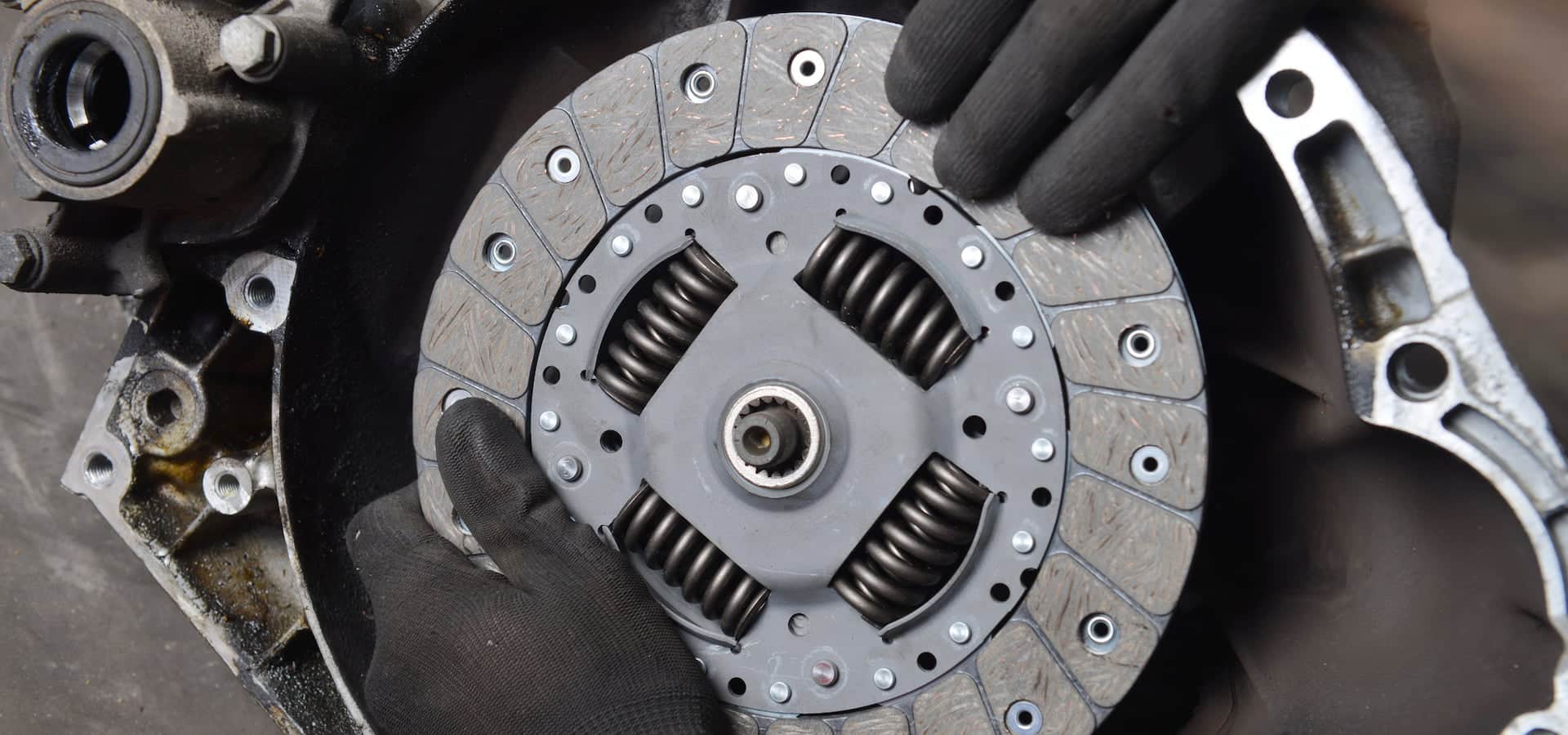
Getting this job right on a Chrysler takes more than pulling a transmission and bolting in whatever disc is on the shelf. Many Chrysler manual applications use a hydraulic slave cylinder integrated with the throwout bearing (a CSC – concentric slave cylinder), which must be bled and set correctly or you'll be back inside the bellhousing within months. Flywheel surface condition, pilot bearing wear, and proper pressure-plate bolt torque in sequence all matter for a clutch that engages cleanly and lasts.
Our technicians treat each Chrysler clutch as a full driveline job, inspecting the rear main seal, input shaft splines, and slave hydraulics while the transmission is out. Here's what you can expect:
- An honest inspection that tells you whether the clutch, hydraulics, or flywheel is actually at fault
- OEM-grade or better clutch components matched to your engine's torque output
- Flywheel resurfacing or replacement when the surface shows heat scoring or hot spots
- Clear communication before any additional parts are approved
Symptoms – How to Know You Need This Service
Clutch problems rarely appear overnight. You may notice small changes in how the pedal feels or how the car pulls before things get serious.
- Slipping under load – engine RPM climbs but speed doesn't follow, especially in higher gears or uphill on I-70
- A burning smell after stop-and-go traffic, a sign the disc facing is overheating
- Soft, sinking, or low pedal – often a failing master or concentric slave cylinder losing hydraulic pressure
- Grinding or difficulty shifting into gear, particularly first and reverse
- Chatter or shudder when releasing the clutch from a stop
- A high, grabby engagement point near the top of pedal travel, indicating a worn disc
- Bearing noise – a whir or growl that changes when you press the pedal
If the pedal goes to the floor and won't return, or you can't get the car into gear safely, stop driving and have it towed – a failed hydraulic system can leave you stranded in traffic. Slipping and mild chatter mean you should schedule soon before the flywheel takes heat damage.
Common Clutch Repair & Replacement Issues on Chrysler Vehicles
That slipping feeling when you accelerate onto I-25, or a pedal that suddenly feels soft and far away – Chrysler manual-transmission owners recognize these warning signs quickly. Denver's stop-and-go traffic and hilly terrain push clutch components harder than flat-highway driving ever would. Here are the patterns we see most on Chrysler platforms:
- Hydraulic clutch failures on PT Cruiser (2001-2010): The concentric slave cylinder lives inside the bellhousing, so a leaking seal means the transmission comes out to fix what looks like a minor hydraulic issue. A spongy pedal here is rarely just air in the line.
- Neon and SRT-4 clutch wear: The turbocharged 2003-2005 SRT-4 makes torque that outpaces the factory clutch, leading to early friction-disc glazing and slipping under boost – a classic upgrade-or-replace scenario.
- Dual-mass flywheel wear on diesel-equipped Ram trucks: Cummins-powered trucks with the G56 six-speed commonly develop dual-mass flywheel rattle and clutch chatter, especially with heavy towing.
- Clutch master cylinder leaks: Aging seals let fluid weep past internal cups, causing the pedal to sink to the floor. Often mistaken for a failing slave cylinder.
- Pilot bearing and release bearing noise: A growl that changes when the pedal is pressed points to a worn throwout or pilot bearing – small parts that fail fast once they start.
- Worn shift linkage and bushings: On older Chrysler manuals, sloppy linkage bushings mimic clutch problems, so accurate diagnosis matters before parts get replaced.
Which Chrysler Models We See for Clutch Repair & Replacement
Manual Chryslers are less common than they once were, but we still service a solid range of platforms across the Chrysler, Dodge, and SRT family.
- Chrysler PT Cruiser (2001-2010) – 2.4L, including turbocharged GT variants that put extra load on the clutch
- Chrysler Sebring / 200 (early platforms) in manual trim, though most later 200s shifted to automatic-only
- Chrysler Crossfire (2004-2008) – Mercedes-based platform with a six-speed manual and SRT-6 variants that need careful driveline handling
- Chrysler Neon / SRT-4 (2003-2005) – the turbocharged SRT-4 makes serious torque and benefits from an upgraded clutch to survive it
- Dodge and Plymouth counterparts sharing these platforms – Neon, Stratus, and related manual builds
Turbocharged and SRT variants often warrant a heavier-duty pressure plate and disc than the base spec, and we'll walk you through those options based on how you drive. Most modern Chryslers ship as automatics or with a torque-converter setup, so if your vehicle uses a conventional automatic or a 8/9-speed ZF-based unit, that's a transmission concern rather than a clutch job – and we handle those as well. Not sure which system your Chrysler runs? Bring it in and we'll confirm before quoting anything.
Causes & Risks – What Happens if Ignored
Most Chrysler clutch problems trace back to heat, age, and how the vehicle gets driven. Riding the clutch in Denver traffic, towing near capacity, and simple mileage all wear the friction material down until it can no longer grip the flywheel. Fluid contamination and aging hydraulic seals accelerate the process.
Waiting turns a straightforward repair into a much larger one. A slipping disc generates heat that scores the flywheel, and a leaking slave cylinder can strand you when the pedal finally drops.
- Ignoring a slipping clutch allows friction heat to warp or crack the flywheel, adding machining or replacement to the job.
- Delaying a hydraulic leak lets air and moisture into the system, damaging the master cylinder along with the slave.
- Driving on a chattering dual-mass flywheel can spread damage to the pressure plate and even the input shaft bearing.
- Postponing bearing noise risks the release bearing seizing, which can leave you unable to shift at all.
- Continued slipping under load contaminates the disc with oil if a rear main seal is also weeping – turning one repair into three.
The safety side matters too: a clutch that won't fully disengage makes clean shifting difficult on grades and merges, and a pedal that drops without warning removes your control at the worst moment.
Safety Impact – Why Clutch Repair & Replacement Matters
A failing clutch affects far more than smooth shifting. When you can't reliably engage or disengage the transmission, your ability to control the vehicle in traffic, on hills, and during emergency maneuvers suffers directly.
- Stop driving now if: the pedal sinks to the floor and stays there, you can't get the vehicle into gear, or you smell burning friction material accompanied by loss of power.
- Schedule soon if: you notice mild slipping under acceleration, a slightly high engagement point, occasional chatter on takeoff, or a faint bearing growl.
A clutch stuck engaged can leave you rolling on a Denver grade with no way to declutch, forcing risky choices near other traffic. Grinding into gear at intersections slows your reaction when a gap opens. On trucks with manual transmissions and trailers attached, an unpredictable clutch complicates safe stopping and starting on inclines. Addressing wear early keeps your drivetrain predictable – and if a known component fault contributed to an incident, having documented, timely repairs protects you on the liability side. Fast, reliable service here keeps you safely on the road instead of guessing at every intersection.
How Chrysler Clutch Repair & Replacement Actually Works
A manual clutch is the link between engine and transmission. Pressing the pedal moves hydraulic fluid to a slave cylinder, which pushes the release bearing against the pressure plate fingers, separating the friction disc from the flywheel so you can shift. Release the pedal and spring pressure clamps everything back together to transfer power.
Chrysler's implementation adds wrinkles that shape how the work is done properly:
- Internal concentric slave cylinders on platforms like the PT Cruiser require full transmission removal even for a "simple" hydraulic fix – there's no shortcut around dropping the box.
- Dual-mass flywheels on Cummins-equipped Ram G56 trucks must be inspected for float and wear, not just resurfaced like a solid flywheel.
- Precise bolt torque and tightening sequence on the pressure plate and flywheel prevent warping and vibration – Chrysler specs vary by transmission and must be followed.
- Proper hydraulic bleeding is essential; trapped air in the concentric set
That pedal that suddenly feels spongy, the rev-hang when you accelerate onto Colfax, the burning smell after a hill climb near your Denver neighborhood – these are the moments a Chrysler owner starts wondering whether the clutch is on its way out. On a manual-equipped Chrysler like a PT Cruiser or Sebring with the 2.4L, or the older Neon-based platforms, clutch complaints usually build gradually before they fail outright. We catch them early and give you a straight answer.
How We Diagnose Clutch Repair & Replacement Issues on Chrysler
A slipping or dragging clutch can mimic a dozen other faults, so we work methodically instead of guessing.
- Interview and history – We ask about slip under load, gear grind, and whether the pedal engages high or low. Chrysler manuals often show cable and hydraulic complaints differently depending on model year.
- Scan tool check – Using a Chrysler-capable scan tool (wiTECH-style diagnostics), we pull stored codes, verify clutch position and neutral safety switch inputs, and rule out drivetrain or engine faults masquerading as clutch problems.
- Hydraulic inspection – On hydraulic-actuated Chryslers, we check the master and slave cylinder for internal bypass, air, and fluid contamination. Concentric slave units common on later platforms hide inside the bellhousing and fail quietly.
- Road test – We load the clutch on an incline and in higher gears to confirm slip, then check for chatter, drag, and pedal feel.
- Measurement and visual – Pedal free-play, cable stretch, linkage wear, and any visible fluid leaks get measured against Chrysler specs.
From there you get a plain-English writeup: what's worn, what's still good, and a clear quote before any wrench turns.
Clutch Repair & Replacement on Chrysler: Repair vs. Replacement
Not every clutch complaint means a full teardown. We tell you which category your Chrysler falls into.
- Genuine repair – Sometimes the disc and pressure plate are fine and the problem is a leaking slave cylinder, air in the hydraulic line, a stretched cable, or a misadjusted pedal. Bleeding the system or replacing a single hydraulic component restores normal feel.
- Partial replacement – When the friction disc is worn but the flywheel is within spec and the pressure plate is healthy, we replace only the worn parts. On some Chrysler 2.4L manuals a resurfaced flywheel plus a new disc gets you back on the road affordably.
- Full replacement – Heat-scored or warped flywheels, a failed concentric slave cylinder, worn release bearing, and a glazed disc together justify a complete clutch kit. Once the transmission is out, replacing everything as a set avoids a repeat labor bill.
We lay out both paths, explain the trade-offs, and let you decide – no pressure to buy the biggest job when a smaller one solves it.
How to Make Your Chrysler Clutch Repair & Replacement Last Longer
A fresh clutch can last well over a hundred thousand miles if it's treated right, especially with Denver's hills and altitude working against you.
- Drive smart – Keep your foot off the pedal between shifts, avoid riding the clutch on inclines, and use the parking brake instead of slipping the clutch to hold on a hill.
- Ease into loads – Towing or hauling in a lower gear and avoiding hard launches keeps disc temperatures down and prevents glazing.
- Listen and watch – Note any new chatter, rising engagement point, or burning smell early. A quick check beats a stranded drivetrain.
- Fluid matters – On hydraulic Chryslers, keep the clutch/brake fluid clean and at the correct level. Contaminated fluid ruins master and slave cylinders.
- Stick with OEM-grade parts and specs – Correct disc material, proper flywheel torque, and up-to-date Chrysler software help components wear evenly.
Checking fluid level and listening for changes is safe to do yourself. Bleeding the hydraulic system, adjusting engagement, or anything inside the bellhousing should be left to us – those are safety-critical and easy to get wrong. Bring it by and we'll keep your Chrysler shifting cleanly.
What to Expect When You Bring Your Chrysler In
That slipping feeling as the tach climbs but speed doesn't, the shudder off the line, or a pedal that grabs way up high near the top of its travel – you know something's wrong with the clutch. Here's how we handle it once your Chrysler is with us.
- Drop-off and intake: Schedule an appointment or leave the vehicle after hours. Tell us how the clutch behaves – chatter in reverse, hard shifts, a burning smell after highway merges – so we can reproduce it.
- Initial inspection: We measure clutch pedal free play, check hydraulic slave and master cylinder function, and inspect the flywheel condition on models like the manual PT Cruiser, Sebring, and 200 with the 2.4L world engine.
- Written estimate: You get a clear breakdown covering the clutch disc, pressure plate, release bearing, pilot bearing, and flywheel resurfacing or replacement before any work begins.
- Communication during the job: We call or text with findings – if we spot a leaking rear main seal or worn input shaft splines while the transmission is out, you decide before we proceed.
- Pickup walkthrough: We show you the old components and explain what failed.
Loaner and shuttle options are available – ask when you book. Clear out personal items, though we'll flag anything left behind. Every clutch job ends with a road test through multiple gears and a scan-tool re-check for stored codes. If anything feels off after pickup, bring it back and we'll re-verify.
Why Choose Elevation Auto Repair for Chrysler Clutch Repair & Replacement
Clutch work on Chrysler manuals is unforgiving of shortcuts. We own the full process – diagnosis, teardown, replacement, and post-repair verification – so nothing gets handed off or guessed at.
- Platform-specific knowledge: We know the hydraulic clutch quirks on the NGC-controlled 2.4L and 2.0L manuals, dual-mass flywheel behavior, and the concentric slave cylinder designs that fail internally and mimic a worn clutch.
- TSB and software awareness: We check applicable Chrysler technical service bulletins and confirm the PCM and shift-related calibrations are current before blaming hardware.
- Correct specs, every time: Flywheel bolt torque, bleed sequence for the sealed hydraulic system, and pilot bearing alignment are done to factory procedure – not eyeballed.
As your Denver dealership alternative, we give honest diagnostics with no unnecessary repairs. If your issue is a failing slave cylinder rather than a worn disc, we'll tell you – and fix what actually needs fixing to keep you safely on the road.
Our Chrysler Services
- Air Conditioning AC Repair
- Battery Repair Replacement
- Brake Repair & Brake Fluid Change
- Check Engine Light Diagnostics
- Coolant Leak Repair
- Cooling System Repair
- Drive Shaft Repair
- Engine Repair
- Exhaust & Catalytic Converter Repair
- Head Gasket Repair & Replacement
- Oil Change
- Oil Leak Repair
- Scheduled Service Maintenance
- Steering Repair
- Suspension Repair
- Cambelt Timing Belt Replacement
- Transmission Repair
- Tune Up
- Wheel Alignment