Chevrolet Clutch Repair & Replacement at Elevation Auto Repair
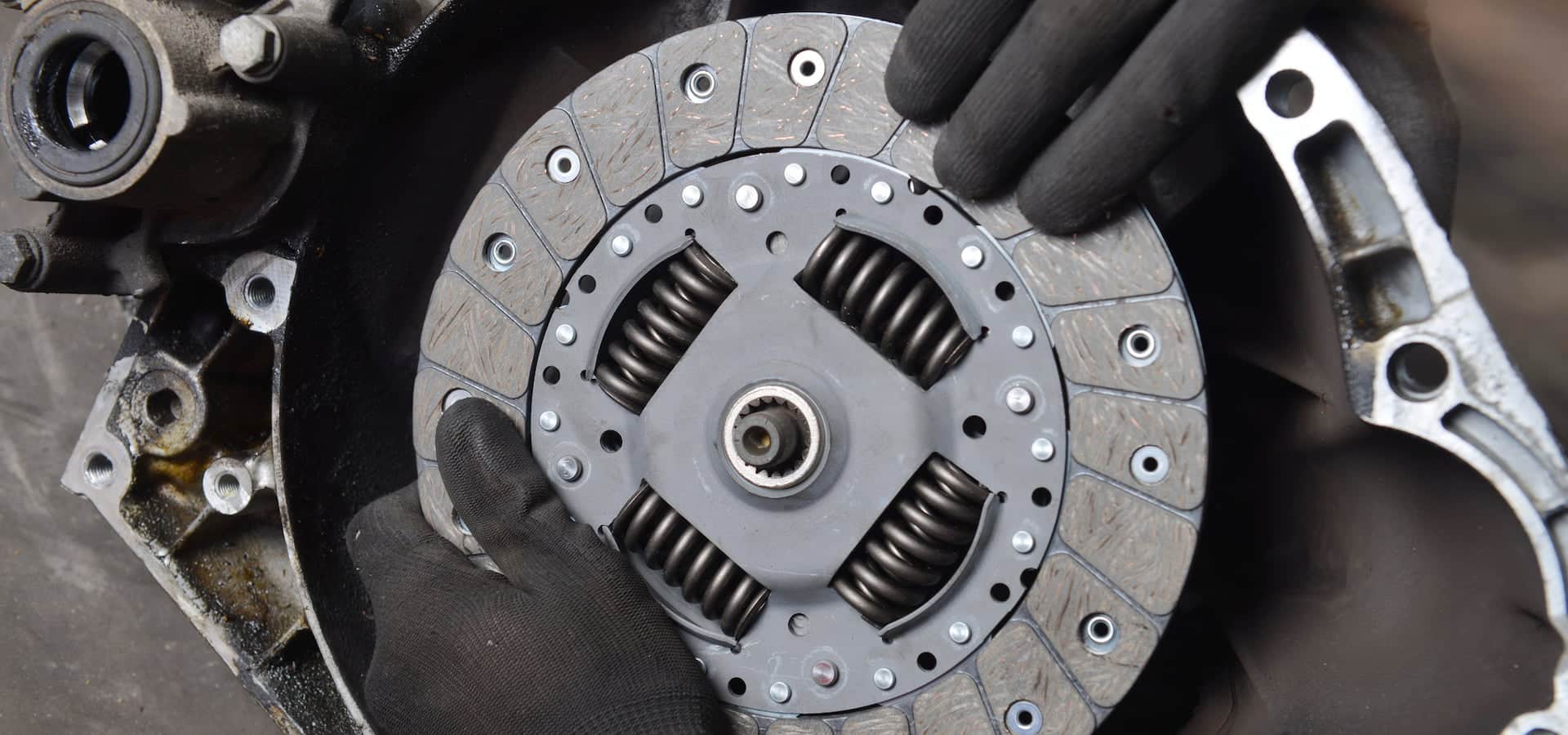
When the pedal goes soft or the engine revs climb without matching speed, you're already living with a failing clutch – and a Chevrolet deserves more than a one-size-fits-all part swap. A proper clutch job means matching the right friction disc, pressure plate, and flywheel to your exact model and driving habits, then setting the hydraulics correctly so the fix actually lasts.
Chevrolet manual platforms have their own quirks that trip up generic shops. Many later Camaro and Corvette models use a hydraulic concentric slave cylinder (CSC) integrated with the throwout bearing inside the bellhousing, so a "clutch job" that skips the CSC often comes back within a year. The LS and LT V8 cars also demand attention to dual-mass flywheel condition and correct pilot bearing fitment, plus proper bleeding of the internal slave to avoid air-lock and a spongy pedal.
We build the repair around long-term reliability, not just getting you out the door. Here's what you can expect:
- Full inspection of the clutch disc, pressure plate, flywheel, and slave cylinder before we recommend parts
- OEM-grade or performance-matched components chosen for your specific model and use
- Correct hydraulic bleed and clutch pedal free-play adjustment to factory spec
- Clear communication and honest diagnostics – no unnecessary add-ons
Symptoms – How to Know You Need This Service
Clutch trouble rarely appears overnight. From the driver's seat, you may notice:
- Slipping under load – engine RPM rises but the car doesn't accelerate, especially in higher gears or uphill on Denver's grades
- A soft or sinking clutch pedal that stays on the floor or feels spongy – often a failing master or concentric slave cylinder
- Grinding or resistance shifting into first or reverse, pointing to incomplete clutch release
- A burning smell after stop-and-go driving, meaning the friction material is overheating
- Shudder or chatter when engaging from a stop, common with worn dual-mass flywheels
- A high engagement point near the top of pedal travel as the disc wears thin
- Rattling or growling noise that changes when you press the pedal – often the throwout or pilot bearing
Grinding gears, a pedal that drops to the floor, or a strong burning odor means you should stop driving and schedule right away – continuing risks damaging the flywheel and transmission. A slightly high engagement point or occasional shudder can be scheduled soon, before it strands you.
Common Clutch Repair & Replacement Issues on Chevrolet Vehicles
If your Chevy pedal feels soft, the engine revs without the truck moving, or you smell that acrid clutch-burn odor pulling out of a Denver stoplight, you're seeing the early stages of clutch wear. Chevrolet manual-transmission platforms have their own signature failure paths, and knowing them helps get you back on the road faster.
- Camaro SS / 1LE (2010-2015 5th-gen, LS3/LSA): Track-day and spirited street driving cook the twin-disc and single-mass clutches. Owners report chatter and hydraulic pedal fade tied to the concentric slave cylinder (CSC) losing pressure.
- Corvette C6/C7 (2005-2019, LS/LT engines): The rear-mounted transaxle clutch sees pilot bearing wear and dual-mass flywheel failure, often showing up as a rattle at idle and rough engagement.
- Silverado / Sierra 1500 (NV3500/NV4500 manual builds): Heavy towing and stop-and-go loading wear the pressure plate fingers, producing a high, grabby engagement point.
- Cruze / Sonic 1.4T & 1.8L (2011-2019, M32 transaxle): The internal concentric slave cylinder is a frequent leak point, causing a clutch pedal that sinks to the floor.
- Colorado / Canyon (Aisin AR5 manual): Slipping under load and a shuddering takeoff commonly trace to a glazed friction disc and worn release bearing.
- Cobalt SS / HHR SS (Ecotec LNF): Boosted torque overwhelms the factory clutch quickly, so slip under boost is the classic complaint.
Which Chevrolet Models We See for Clutch Repair & Replacement
We regularly service manual-transmission Chevrolet vehicles across cars, trucks, and SUVs. If you drive one of these, we can help:
- Camaro (5th & 6th gen, 2010–present) – LS/LT V8 and turbo-four cars with hydraulic CSC setups; SS and 1LE variants often carry heavier-duty clutches
- Corvette (C5, C6, C7) – LS/LT-powered manuals with dual-mass flywheels and internal slave cylinders
- Silverado & Colorado – earlier manual-equipped trucks used in work and towing duty
- Cruze, Sonic & Spark – Ecotec manuals where slave cylinder and hydraulics are frequent culprits
- Cobalt & older HHR – higher-mileage 2.2L/2.4L Ecotec manuals
Performance variants such as the Camaro SS, 1LE, and Corvette Z51 often warrant an upgraded disc and pressure plate to handle the added torque and track use – we'll match the setup to how you actually drive. Most modern Chevrolets ship as automatics, so if your vehicle is an automatic, you're looking at transmission service rather than clutch work – and we handle that too. For very early or rare manual platforms outside these ranges, reach out and we'll confirm parts availability before scheduling.
Causes & Risks – What Happens if Ignored
Most Chevy clutch wear comes down to how and where the vehicle is driven. Denver's elevation and grades, frequent stop-and-go, towing, and the natural aging of hydraulic seals all accelerate the process. Riding the clutch on hills and aggressive launches speed up friction-disc glazing.
Waiting turns a straightforward clutch job into a much larger repair. A slipping disc that keeps getting driven will overheat and score the flywheel, and a leaking slave cylinder can strand you when the pedal drops to the floor.
- Ignoring a slipping clutch for weeks glazes and warps the flywheel, forcing resurfacing or full replacement instead of a simple disc swap.
- A leaking concentric slave cylinder on M32-equipped Cruze/Sonic models eventually fails completely, leaving you unable to shift.
- Continued grinding from a worn release bearing damages the input shaft and transmission bearings.
- A failing dual-mass flywheel on Corvette and Camaro platforms starts shedding material, contaminating the pressure plate.
- Riding a burnt clutch up mountain grades creates dangerous heat soak and sudden engagement loss.
The safety window closes when the clutch can no longer transfer power predictably – that's when a routine repair becomes an expensive teardown and a roadside risk.
Safety Impact – Why Clutch Repair & Replacement Matters
A failing clutch isn't just an inconvenience – it changes how your Chevrolet responds in traffic. When engagement becomes unpredictable, so does your ability to merge, climb, or hold on a grade.
- Loss of drive: A slipping or fully worn clutch can leave you unable to accelerate away from an intersection or highway on-ramp.
- Rollback on hills: A clutch that won't hold engagement makes hill starts dangerous, especially on Denver's steeper streets.
- Stalling risk: A grabbing or juddering clutch can cause unexpected stalls in traffic, disabling power steering assist and brake boost until restart.
- Hydraulic failure: A dropped pedal from a failed slave cylinder means no gear selection at all.
Stop driving now if: the pedal goes to the floor and won't return, you can't get into gear, or you smell burning with a sudden loss of power. Schedule soon if: engagement point is creeping high, you feel light chatter on takeoff, or you notice occasional slip under load. Addressing a known worn clutch before an incident also keeps you on solid footing should liability ever come into question.
How Chevrolet Clutch Repair & Replacement Actually Works
Your clutch connects the engine to the transmission through a friction disc squeezed between the flywheel and pressure plate. Press the pedal and hydraulic pressure releases that grip so you can shift. On most modern Chevrolets, this is a self-adjusting hydraulic system, and many use an internal concentric slave cylinder that lives inside the bellhousing – which is what makes the job more involved than older external-slave designs.
- Concentric slave cylinders on Cruze, Sonic, and many late Camaros require full transmission removal to replace, so we service them together with the clutch.
- Dual-mass flywheels on Corvette and performance Camaro platforms must be measured for runout and free play – not just resurfaced like a solid flywheel.
- Hydraulic bleeding follows GM's specified sequence to fully purge air, or the pedal never feels right.
- Torque specs and bolt sequences for the pressure plate and bellhousing follow factory values to prevent warping and vibration.
We follow OEM
How We Diagnose Clutch Repair & Replacement Issues on Chevrolet
A slipping clutch, a pedal that feels spongy, or a shudder when you pull away from a stop all point to different problems – and each one changes the fix. We start by listening to what you're feeling behind the wheel before we touch a wrench.
- Interview and history – We ask about the symptoms: RPM climbing without speed (slip), grinding on the 1–2 shift, or a pedal that stays on the floor (hydraulic failure common on Cruze and Sonic clutch masters).
- Scan for stored data – On hydraulically actuated and dual-clutch applications like the Corvette C7/C8 or the DCT-equipped models, we pull codes with a GM-capable scan tool (GDS2/Tech2 style access) to read clutch adaptation values, engagement points, and any transmission fault history.
- Road test – We confirm slip under load on an incline, check for judder in first gear, and feel for release-bearing noise with the pedal in and out.
- Visual and hydraulic inspection – We check the concentric slave cylinder for weeping (a known wear point on many Chevy manuals), inspect the flywheel through the inspection cover, and measure pedal free-play.
- Measurement – Where accessible, we assess friction material and flywheel runout.
From there you get a plain-language explanation of what's worn, what's still good, and a written repair plan and quote before any work begins.
Clutch Repair & Replacement on Chevrolet: Repair vs. Replacement
Not every clutch complaint means dropping the transmission. We sort the genuine repairs from the true replacements so you're not paying for parts you don't need.
- True repair – A soft pedal with no slip is often hydraulic. Bleeding the system or replacing a failed clutch master or slave cylinder restores normal engagement without opening the bellhousing. Linkage adjustment on older cable/hydraulic setups falls here too.
- Partial replacement – If the friction disc is worn but the pressure plate and flywheel measure within spec, replacing the disc and release bearing while reusing serviceable components makes sense. On DCT Corvettes, isolating a single failed clutch pack or actuator can avoid a full unit swap.
- Full replacement – When we find a heat-glazed flywheel, a warped or hot-spotted surface, contaminated friction material from a rear main seal leak, or damage on the pressure plate fingers, replacing the complete clutch kit (and often resurfacing or replacing the flywheel) is the reliable path. Once you're in there, reusing worn hardware just invites a second teardown.
We lay out both routes with the tradeoffs – cost, longevity, and labor overlap – and let you make the call. The most expensive option is never our default.
How to Make Your Chevrolet Clutch Repair & Replacement Last Longer
A fresh clutch can last a very long time if the driving and upkeep support it. Small habits protect the new friction material and hydraulics.
Driving habits that protect the clutch
- Keep your foot off the pedal between shifts – riding it wears the release bearing early.
- Come to a full stop before selecting reverse to spare the synchros.
- Avoid slipping the clutch to hold on Denver hills – use the brake, then release smoothly.
- Don't launch under heavy load or tow beyond rated capacity on manual applications.
Owner maintenance you can do
- Watch for a rising bite point or new shudder and report changes early.
- Check the clutch fluid reservoir level and note any drop, which signals a leaking cylinder.
- Listen for release-bearing whir with the pedal pressed at idle.
Brand-specific care
- Use OEM-spec DOT hydraulic fluid for the clutch circuit and keep it fresh – contaminated fluid destroys seals.
- Keep transmission control software current on DCT models so clutch adaptation stays accurate.
- Follow Chevrolet's service intervals for the affected gearbox fluid.
Fluid level checks and habit changes are safe to handle yourself. Bleeding the hydraulic system, replacing cylinders, or anything inside the bellhousing is safety-critical work best left to our technicians.
What to Expect When You Bring Your Chevrolet In
You've probably noticed the pedal feeling soft, a burning smell after highway merges, or the engine revving without the truck pulling – all signs the clutch is losing its grip. Here's how a visit at Elevation Auto Repair moves from that symptom to a fix that lasts.
- Drop-off or appointment: Schedule ahead or bring it by. Clear personal items from the cabin, though we'll safeguard anything left behind. Shuttle service and loaner arrangements are available so you're not stranded.
- Initial inspection: We verify the complaint on a Camaro, Silverado, Colorado, or Cruze – checking pedal free-play, hydraulic slave/master cylinder condition, and pulling codes with a GM-capable scan tool for clutch position and misfire data.
- Written estimate: You get a clear breakdown covering the pressure plate, disc, throwback release bearing, pilot bearing, and flywheel resurfacing or replacement before any wrench turns.
- Communication during the work: We call or text with findings – like a leaking concentric slave cylinder on a manual Silverado – and never proceed with added labor without your approval.
- Pickup walkthrough: We show you the old components and explain what was replaced and why.
Before you drive off, we complete a road test to confirm engagement point and shift feel, then run a scan-tool re-check. After-hours pickup can be arranged, and if anything feels off, we want it back for a follow-up look.
Why Choose Elevation Auto Repair for Chevrolet Clutch Repair & Replacement
Clutch jobs are one of the repairs where shortcuts show up fast. We build ours to hold up in Denver traffic and mountain grades alike.
- Platform-specific knowledge: We know the hydraulic concentric slave cylinder issues common on 2004-2013 Colorado/Canyon and full-size Silverado manuals, plus dual-mass flywheel wear patterns on diesel-equipped trucks that a resurface won't fix.
- TSB and software awareness: We check for GM bulletins and clutch-related updates before assuming a mechanical fault, since some engagement complaints trace back to hydraulic bleed procedures or master cylinder revisions.
- Correct specs, every time: We follow OEM torque values on the pressure plate and bellhousing bolts and use the proper DOT-spec fluid, then bleed the system fully to eliminate the soft-pedal feel that plagues rushed installs.
We own the work end to end – diagnosis, teardown, replacement, and post-repair verification all happen under one roof. That means no finger-pointing between shops and a clutch that engages cleanly for the long haul.
Our Chevrolet Services
- Air Conditioning AC Repair
- Battery Repair Replacement
- Brake Repair & Brake Fluid Change
- Check Engine Light Diagnostics
- Coolant Leak Repair
- Cooling System Repair
- Drive Shaft Repair
- Engine Repair
- Exhaust & Catalytic Converter Repair
- Head Gasket Repair & Replacement
- Oil Change
- Oil Leak Repair
- Scheduled Service Maintenance
- Steering Repair
- Suspension Repair
- Cambelt Timing Belt Replacement
- Transmission Repair
- Tune Up
- Wheel Alignment