Chevrolet Oil Change at Elevation Auto Repair
A Silverado owner rolled in recently after a quick-lube shop poured in the wrong viscosity and reset the oil life monitor incorrectly. The lifters were ticking within a week. That's the kind of avoidable headache we fix every day in Denver.
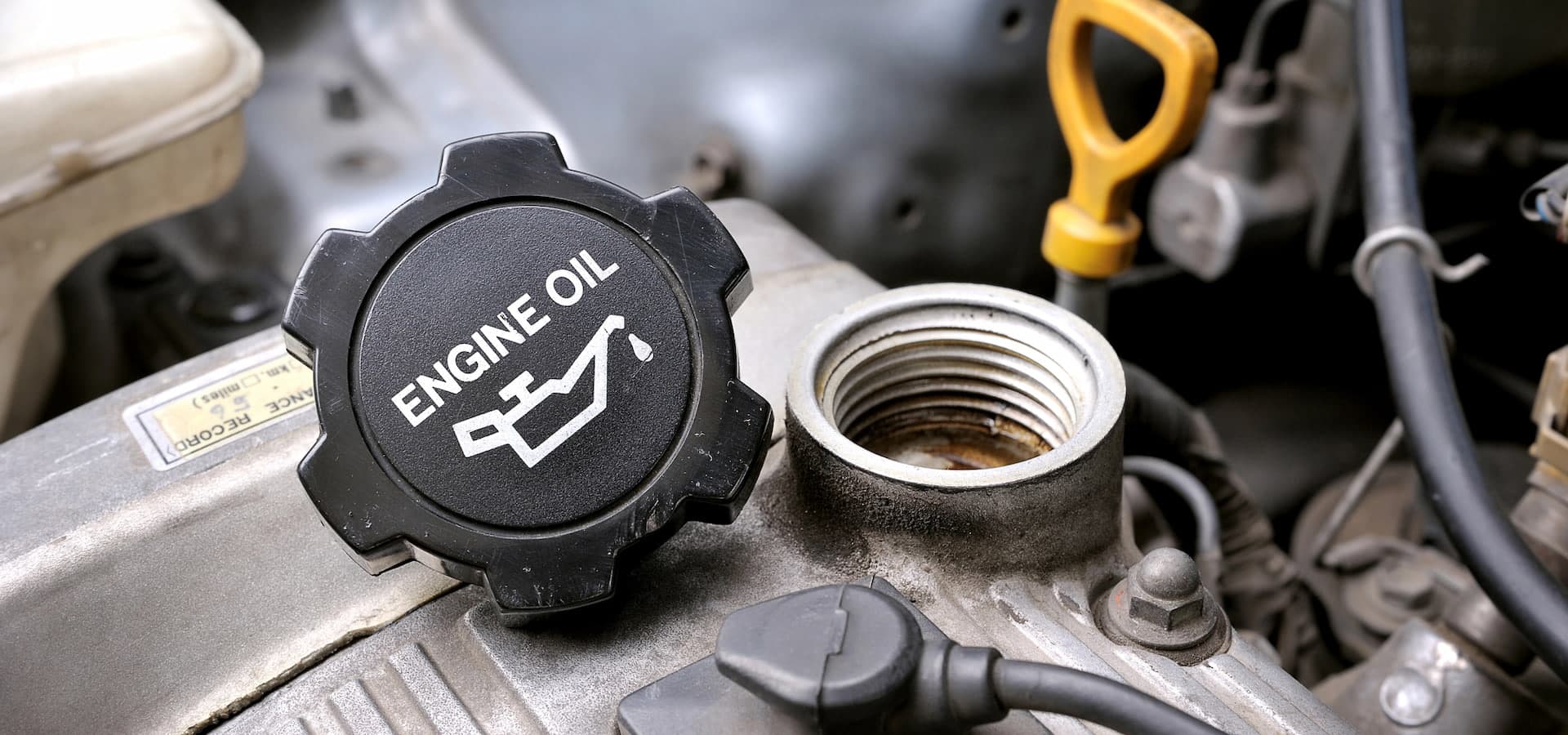
An oil change sounds simple, but Chevrolet engines have real quirks that a generic bay often ignores. Small-block LS and LT V8s (5.3L, 6.2L) with Active Fuel Management and Dynamic Fuel Management are sensitive to oil quality – the wrong spec accelerates AFM lifter failure. The 1.4L turbo in Cruze and Sonic and the 2.0L LTG turbo demand dexos-approved oil to protect the turbocharger. Getting the drain plug torque, filter, and oil life reset right protects your factory warranty and resale value.
We use the correct dexos1 Gen 3 or dexos2 specification for your exact engine and reset the oil life system through the proper GDS2 procedure, not a guessed dash sequence.
- Correct dexos-approved oil matched to your engine and mileage
- OEM or premium filter with drain plug torqued to Chevrolet spec
- Proper oil life monitor reset so your maintenance record stays clean
- A quick multi-point look for leaks, weeping seals, and low fluids
Symptoms – How to Know You Need This Service
Your Chevrolet usually tells you when oil service is due. Watch and listen for these signs:
- Oil life message or CHANGE ENGINE OIL SOON on the DIC – schedule soon, don't ignore it.
- Ticking or lifter clatter on cold start, especially on 5.3L and 6.2L AFM/DFM engines – schedule promptly to avoid lifter damage.
- Dark, gritty oil on the dipstick instead of a clean amber film.
- Burning oil smell in the cabin or from the engine bay, common with turbo Cruze and Malibu models that consume oil.
- Louder engine noise and reduced throttle response as oil breaks down.
- Blue-tinted exhaust smoke – a sign of oil consumption; have it checked soon.
- Low oil pressure warning or red oil can light – stop driving immediately and call us. Running low on pressure can destroy bearings in minutes.
If you're seeing the red pressure light or hearing heavy knocking, don't risk the drive. Everything short of that means book an appointment and we'll get you back on the road quickly.
Common Oil Change Issues on Chevrolet Vehicles
Chevrolet engines have specific oil-related wear paths tied to their design choices. Knowing them helps us catch trouble early.
- AFM/DFM lifter failure on Gen IV/V small blocks (2007+ 5.3L and 6.2L) – Active Fuel Management runs on clean oil pressure to the collapsible lifters. Extended intervals or wrong-viscosity oil accelerate lifter and cam lobe damage on Silverado, Tahoe, and Suburban.
- 2.4L Ecotec (LEA/LAF) oil consumption – Equinox, Malibu, and Captiva from roughly 2010-2017 are known for high oil burn tied to worn piston rings and PCV design. Short intervals keep consumption in check.
- 1.4L Turbo (LUV/LUJ) in Cruze and Sonic – These small turbos are sensitive to oil coking in the turbo feed line. Old or dirty oil bakes onto the bearing and shortens turbo life.
- 3.6L LFX/LGX V6 timing chain wear – Traverse, Camaro, and Impala chains stretch when oil changes lapse, throwing correlation codes and rough running.
- LT-series direct injection (2014+ 5.3L L83, 6.2L L86) – Fuel dilution in the crankcase thins oil faster, so interval discipline matters more than on older port-injected motors.
- Wrong filter or drain plug torque – Chevrolet uses cartridge-style filters on many Ecotec engines that require the correct O-ring and torque to seal.
Which Chevrolet Models We See for Oil Change
We service the full Chevrolet lineup, from daily commuters to work trucks and performance cars. Find your platform below:
- Silverado 1500 (GMT900, K2XX, T1XX) – 5.3L and 6.2L LS/LT V8s with AFM/DFM; these need strict dexos1 Gen 3 adherence.
- Tahoe, Suburban, and Colorado – V8 and 3.6L V6 variants, plus the 2.8L Duramax diesel needing dexos2.
- Equinox and Traverse – 1.5L/2.0L turbo and 3.6L V6; turbo engines are oil-quality sensitive.
- Malibu (2016+), Cruze, and Sonic – 1.4L and 1.5L turbo fours known for oil consumption on higher mileage.
- Camaro (fifth and sixth gen) – 2.0L LTG turbo, 3.6L LGX V6, and 6.2L LT1/LT4; SS and ZL1 variants often call for dry-sump or track-oriented fill considerations we handle differently.
- Corvette C7/C8 – LT1, LT2, and supercharged LT4/LT5 with dry-sump systems that require specific fill volumes and procedures.
- Trax, Spark, and Trailblazer – smaller turbo and naturally aspirated fours.
Performance and dry-sump variants like Camaro ZL1, Corvette Z06, and diesel-equipped trucks need extra care, and we're equipped for all of them. If you drive an older classic with a carbureted small-block, we're happy to help too – just mention it when you book so we set aside the right oil.
A Silverado owner rolled into our Denver shop last winter with the oil life monitor reading 5% and a faint ticking at cold start. He'd stretched the interval an extra couple thousand miles thinking synthetic oil could take it. The AFM lifters had already started collapsing. A quick service would have prevented a much bigger conversation. That's the pattern we see across the Chevrolet lineup, and it's exactly why we treat oil changes as preventative work that protects your warranty and resale value.
Causes & Risks – What Happens if Ignored
Denver's climate does Chevrolet engines no favors. Cold winter starts, high-altitude thin air, and stop-and-go traffic all shorten how long oil stays effective. Add fuel dilution from direct injection and the oil breaks down sooner than the mileage sticker suggests.
Waiting past the oil life monitor's warning is where a simple service turns costly. On an AFM 5.3L, ignoring low oil life for a few thousand miles often means the difference between a filter and lifters, cam, and valvetrain work.
- Collapsed AFM/DFM lifters – Degraded oil pressure feeds the lifters poorly, leading to bent pushrods and scored cam lobes.
- Turbo bearing failure on 1.4L Cruze/Sonic when coked oil starves the cartridge.
- Timing chain stretch on 3.6L V6s, producing correlation codes and eventual valve contact.
- Runaway oil consumption on 2.4L Ecotec that empties the sump between checks and risks bearing damage.
- Sludge buildup that clogs oil galleries and the pickup screen, choking flow to the top end.
What starts as a routine visit becomes engine teardown territory. Catching it early keeps the repair small and keeps your powertrain warranty intact.
Safety Impact – Why Oil Change Matters
Neglected oil doesn't just wear the engine – it can leave you stranded or trigger sudden power loss in traffic. When lifters fail or a turbo lets go, drivability drops fast, and that affects your ability to merge, climb grades, or clear an intersection safely.
- Stop driving now: oil pressure warning light, loud knocking or ticking at idle, blue smoke from the exhaust, or a burning-oil smell in the cabin.
- Schedule soon: oil life monitor at or below 5%, gradual power loss, or the engine using more oil than usual between checks.
Low oil can also throw the engine into reduced-power or limp mode, cutting throttle response without warning. On a highway on-ramp, that's a real hazard for you and everyone around you. There's a warranty and liability angle too: a known lubrication-related failure that wasn't addressed with regular service can complicate a claim. Documented, on-schedule oil changes protect both your safety and your paperwork.
How Chevrolet Oil Change Actually Works
A Chevrolet oil change is more than draining and refilling. The Oil Life Monitor uses an algorithm tracking engine temperature, RPM, and load rather than fixed mileage, so it must be reset correctly through the driver information center or a scan tool after service.
Modern Chevrolet engines also have design details that make the right procedure matter:
- Correct viscosity and spec – Most late-model engines call for dexos1 Gen 2 oil; the wrong oil accelerates AFM lifter and turbo wear.
- Cartridge filters on many Ecotec engines need a fresh O-ring and proper housing torque to seal.
- Oil Life Monitor reset that must be performed so the system tracks the next interval accurately.
- Drain plug and pan torque specs that protect aluminum threads from stripping.
- Fuel-dilution awareness on direct-injection LT and turbo engines,
A Denver Silverado owner rolled in convinced his 5.3L needed a new engine because the oil life monitor never seemed to reset and he heard a faint lifter tick on cold starts. The real story was a stretched timing chain and an AFM (Active Fuel Management) lifter starting to collapse – problems that hide behind neglected oil changes on GM's Gen IV and Gen V small blocks. Getting the oil service right is the cheapest insurance a Chevrolet owner can buy, and it protects both warranty coverage and resale value.
How We Diagnose Oil Change Issues on Chevrolet
An oil change on a Chevrolet is rarely just draining and refilling. We look at what the engine is telling us before and after.
- Scan first with GDS2/MDI: We pull oil life percentage, engine hours, and stored codes. On 5.3L and 6.2L V8s with AFM/DFM, we check for P0300 misfire counts and lifter-related codes that hint at oil-starvation damage.
- Verify the oil life algorithm: GM's IOLM (Intelligent Oil Life Monitor) calculates by load and temperature, not mileage. We confirm it was actually reset at prior services.
- Inspect the drained oil: Metallic glitter, fuel dilution smell (common on 1.5L turbo Equinox/Malibu), or milky residue tells us more than any sensor.
- Visual under-hood check: Valve cover seepage, oil cooler line weeping on the 6.6L Duramax, and PCV condition.
- Cold-start and road test: Listening for AFM lifter tick or timing chain rattle on Ecotec and small-block engines.
- Measure and confirm: Oil pressure at idle and RPM against GM spec.
From there we build a clear repair plan and quote – no guesswork, just what your Chevrolet actually needs.
Oil Change on Chevrolet: Repair vs. Replacement
Not every finding means a big bill. We sort the situation into three honest buckets.
- Genuine repair (service and adjust): A routine oil and filter change with an OEM AC Delco filter, plus resetting the IOLM correctly. If a drain plug or gasket is weeping, a new crush washer or plug solves it.
- Partial replacement: Replace the worn component and keep the rest. Fuel-diluted oil on a 1.5L turbo may call for a PCV valve or a software update rather than tearing into the engine. A leaking oil cooler line on a Duramax is a targeted fix.
- Full replacement: When neglect has cascaded – collapsed AFM lifters scoring a camshaft on a 5.3L, or timing chain stretch throwing correlation codes – the repair cost climbs toward major engine work, and we lay that out plainly.
We walk you through each option with the reasoning behind it, so you choose the path that fits your Chevrolet and your budget – not the most expensive line item.
How to Make Your Chevrolet Oil Change Last Longer
Good habits stretch the miles between services and keep the engine internals clean.
- Let it warm up briefly in Colorado cold before hard throttle – thick, cold oil is where turbo and AFM engines take the most wear.
- Avoid constant short trips that never burn off fuel dilution, a known issue on 1.5L and 2.0L turbo Equinox, Malibu, and Trailblazer models.
- Don't ignore the oil life monitor or the change engine oil message – GM's IOLM is calibrated for real driving conditions and elevation.
Owner checks that pay off:
- Check the dipstick monthly and watch for a rising oil level (a sign of fuel dilution).
- Listen for cold-start lifter tick or chain rattle and mention it early.
- Keep an eye on oil pressure and check-engine warnings.
Brand-specific care: Use the correct dexos-approved oil and AC Delco filters – the wrong viscosity accelerates AFM wear. Keep ECM software current, since GM releases calibrations that address fuel dilution and shift behavior. DIY the visual and fluid checks; leave oil pressure diagnosis, AFM work, and internal engine repairs to the shop to protect your warranty and resale value.
What to Expect When You Bring Your Chevrolet In
A Silverado owner rolled in last month convinced his 5.3L was burning oil for no reason. Turns out it was the well-documented AFM/DFM oil consumption issue on GM's Gen IV and Gen V small blocks – something a shop familiar with Chevrolet spots fast. That's the level of attention every oil change here starts with.
- Drop-off or appointment: Schedule ahead or leave it with us. Shuttle service and loaner options are available so you're not stranded, and after-hours key drop keeps things flexible.
- Initial inspection: We check for oil weeping at the valve covers, timing cover, and rear main – common on high-mileage Ecotec and LS/LT engines – plus filter condition and drain plug integrity.
- Written estimate: You get the correct oil spec (dexos1 Gen 3 for most gas engines, dexos D for the 3.0L Duramax) and filter part number confirmed before we touch anything.
- During the work: We text or call with anything we find. No surprises, no add-ons you didn't approve.
- Pickup walkthrough: We reset the Oil Life Monitor properly through the DIC, verify torque on the drain plug and filter, and walk you through what we saw.
Leave personal items where they are – we work around them. Before handoff, we road test and scan-tool re-check to confirm no oil pressure or sensor codes. If anything feels off afterward, bring it back and we'll make it right.
Why Choose Elevation Auto Repair for Chevrolet Oil Change
An oil change on a Chevrolet is only as good as the tech doing it. We know the platform quirks – like AFM lifter failures on 5.3L and 6.2L V8s that clean, correct-spec oil helps guard against, and the LTG 2.0L turbo's sensitivity to oil quality on Malibu and Equinox models.
- Correct dexos-approved fluids: We match viscosity and spec to your exact engine, protecting factory tolerances and your warranty.
- TSB and software awareness: We stay current on GM service bulletins and Oil Life Monitor recalibration procedures so your maintenance record stays clean.
- Proper OLM reset: Done through the vehicle's system, not guesswork – important for resale documentation and dealer service history.
We own the work start to finish – inspection, service, and post-service verification under one roof. That's the difference between a quick-lube stop and a dealership-level oil change without the dealership markup. Consistent, documented maintenance here helps preserve both your Chevrolet's warranty coverage and its long-term resale value.
Our Chevrolet Services
- Air Conditioning AC Repair
- Battery Repair Replacement
- Brake Repair & Brake Fluid Change
- Check Engine Light Diagnostics
- Clutch Repair & Replacement
- Coolant Leak Repair
- Cooling System Repair
- Drive Shaft Repair
- Engine Repair
- Exhaust & Catalytic Converter Repair
- Head Gasket Repair & Replacement
- Oil Leak Repair
- Scheduled Service Maintenance
- Steering Repair
- Suspension Repair
- Cambelt Timing Belt Replacement
- Transmission Repair
- Tune Up
- Wheel Alignment