
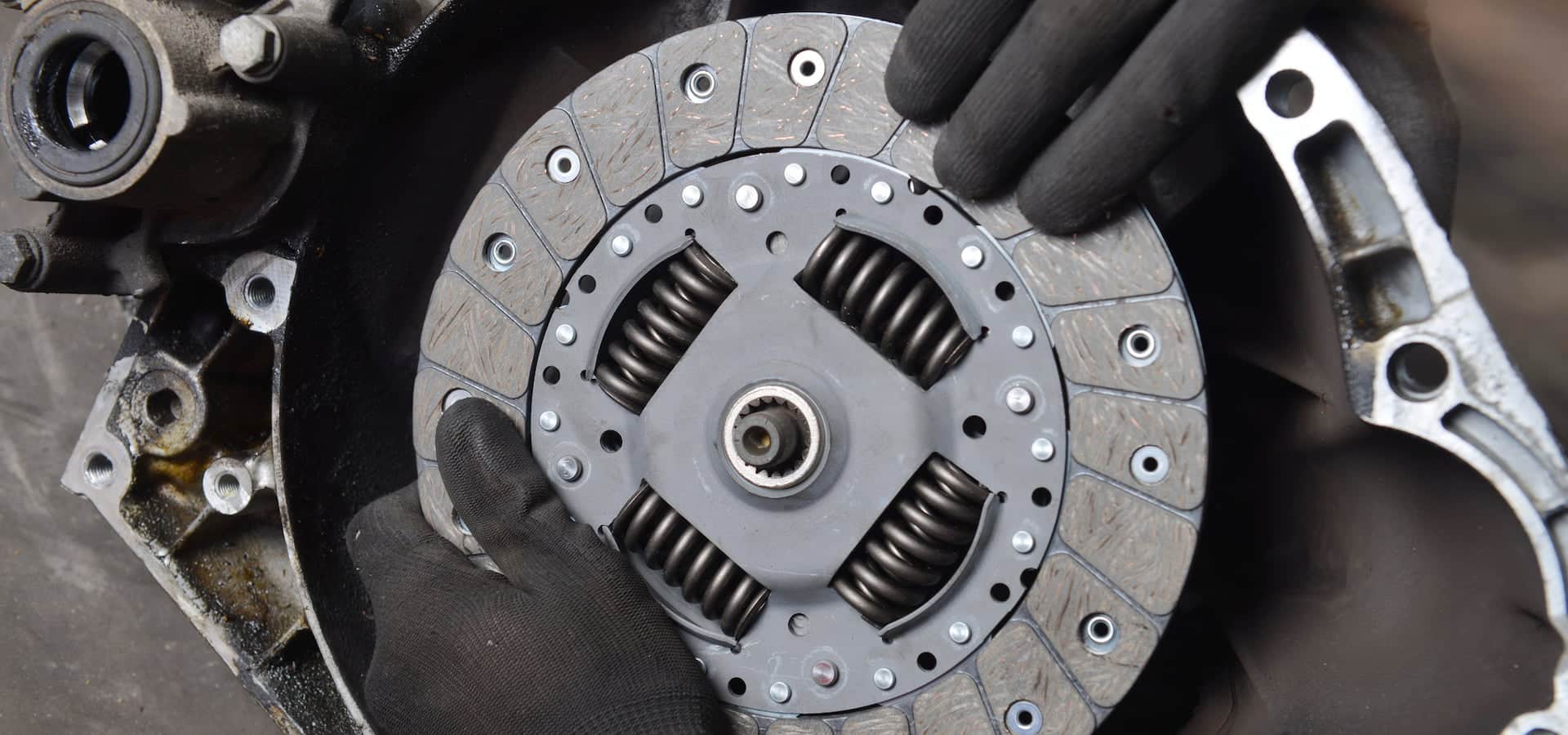
Buick Clutch Repair & Replacement at Elevation Auto Repair
Manual Buicks are a rare breed these days, which is exactly why a clutch job on one deserves a technician who knows the platform instead of guessing. Most late-model Buicks moved to automatics and CVTs, so the manual gearboxes you still find – often on older Skylark, Regal, and Century variants – ride on GM's classic front-wheel-drive layouts where the clutch, flywheel, and transaxle come out as a coordinated job.
Doing it right on a Buick means respecting the details a generic shop glosses over. GM front-drive transaxles use specific bellhousing bolt torque sequences and pilot bearing procedures, and the hydraulic clutch systems on later cars need proper bench bleeding of the master and slave cylinders to avoid a spongy pedal. We also inspect the dual-mass or single-mass flywheel for heat checking and hot spots before deciding to resurface or replace.
Here is what you can expect when your Buick comes in for clutch work:
- An honest inspection that separates a worn clutch disc from a leaking slave cylinder or a failing throwout bearing
- OEM-aligned torque specs and hydraulic bleeding – no shortcuts on the transaxle reinstall
- Flywheel evaluation and resurfacing or replacement based on measured runout, not assumptions
- Clear communication before we replace anything you don't actually need
Symptoms – How to Know You Need This Service
Clutch wear builds slowly, then announces itself all at once. On a Buick with a manual transaxle, you may notice these warning signs:
- Slipping under load – engine RPM climbs but the car doesn't accelerate, especially uphill or in higher gears
- A burning smell after climbing grades or heavy stop-and-go driving, often a sign the disc is glazing
- High clutch engagement point – the pedal grabs near the top of its travel instead of the middle
- Shuddering or chatter when releasing the clutch from a stop, which can point to a contaminated disc or worn flywheel
- Grinding into gear even with the pedal fully pressed, suggesting the clutch isn't fully disengaging
- A soft or sinking pedal, which usually means a failing hydraulic master or slave cylinder
- Noise that changes with the pedal – a rattle at idle that quiets when you press the clutch often signals throwout bearing wear
A high engagement point or occasional slip means schedule soon before it strands you. A pedal that sinks to the floor and won't return, or a car you can't get into gear, means stop driving and have it towed – continuing risks damaging the flywheel and transaxle.
Common Clutch Repair & Replacement Issues on Buick Vehicles
Most modern Buicks left the factory with automatic transmissions, so manual clutch work tends to show up on older platforms and on enthusiast imports carrying the Buick badge. Where a true manual clutch exists, the wear patterns follow the platform and the driver's habits. Here's what we see roll through the shop.
- Worn friction disc on higher-mileage manual Skylark and Century platforms – decades of Denver stop-and-go traffic glazes the friction material, showing up as slipping under load on I-70 grades.
- Hydraulic clutch complaints on later manual-equipped models – master and slave cylinder seals weep, giving a soft or sinking pedal that mimics a worn clutch when the real culprit is fluid loss.
- Dual-mass flywheel wear – on platforms fitted with a dual-mass unit, the internal springs fatigue and produce a rattle at idle plus judder on engagement.
- Release bearing (throw-out bearing) noise – a whir that changes with pedal position, common as original bearings dry out on early Buick manual gearboxes.
- Pilot bearing failure – a squeal or grind at engagement, frequently overlooked when only the disc is replaced.
- Contaminated clutch from a rear main seal leak – oil-soaked friction material grabs and slips unpredictably, a wear path tied to aging seals on high-mileage GM engines.
We diagnose the actual failing component instead of blanket-replacing everything, so you pay for the parts your Buick genuinely needs.
Which Buick Models We See for Clutch Repair & Replacement
Manual transmissions were the exception across most of Buick's lineup, so clutch work concentrates on a handful of platforms. We commonly service:
- Buick Skylark (1980s–1998) – N-body and earlier front-drive cars that came with the Getrag or Muncie 5-speed manuals paired to the 2.3L Quad 4 and V6 options
- Buick Century and Regal (1980s–1990s) – A-body and W-body variants where manual gearboxes appeared on select trims
- Buick Somerset / Skyhawk (1980s) – earlier compact platforms with manual-equipped four-cylinders
- Rebadged and shared-platform Buicks where GM front-drive transaxle hardware is common to Chevrolet and Oldsmobile siblings
Hydraulic clutch systems on the later cars need proper master and slave cylinder bleeding, while the earlier cable-actuated setups call for correct free-play adjustment. If you're driving a modern automatic or CVT Buick – Enclave, Encore, LaCrosse, or newer Regal – you won't need clutch service, though we handle those transmission and drivetrain concerns too. Not sure what's in your car? Bring it in and we'll confirm before quoting a thing. As your Denver dealership alternative, we keep the diagnosis honest and the repair built for the long haul.
Causes & Risks – What Happens if Ignored
Clutch wear on a Buick accelerates with the conditions Denver drivers know well: frequent hill starts, altitude-loaded engine strain, hot summers, and cold winter mornings that stiffen hydraulic seals. Age and mileage do the rest, and a small leak or a bit of judder rarely stays small.
Waiting turns a straightforward job into a layered repair. A slipping disc that gets driven hard glazes the flywheel surface, which pulls the flywheel into the parts list. A weeping slave cylinder that runs low starves engagement and can strand you.
- Ignoring a slipping clutch typically overheats and scores the flywheel, adding resurfacing or replacement to the bill.
- Riding a chattering dual-mass flywheel wears the starter ring gear and can crack the housing.
- A neglected release or pilot bearing eventually seizes, damaging the input shaft or transmission bellhousing.
- Low clutch hydraulic fluid from an unaddressed leak leaves you unable to shift – often at the worst moment.
- An oil-contaminated disc that's left in place lets the rear main leak keep growing.
Catch it early and it's a clutch job. Wait, and it becomes a clutch, flywheel, and transmission conversation.
Safety Impact – Why Clutch Repair & Replacement Matters
A failing clutch isn't just a driveline nuisance – it changes how your Buick behaves in traffic. When engagement becomes unpredictable, hill starts and merges get dangerous, and a clutch that won't disengage forces awkward gear changes that unsettle the car.
- Stop driving now: the pedal goes to the floor and stays, the clutch won't disengage, or you smell burning friction material and lose power on a grade.
- Stop driving now: grinding into gear or the car creeping while the pedal is fully depressed.
- Schedule soon: mild slip under hard acceleration, a soft or slowly sinking pedal, or a bearing whir that comes and goes.
A stalled or lurching Buick in a Denver intersection puts you and everyone nearby at risk, and stability and traction control can only do so much when power delivery is erratic. If a known driveline problem goes unaddressed before an incident, that can complicate a liability or insurance claim. Fixing it promptly keeps you in full control of the car.
How Buick Clutch Repair & Replacement Actually Works
The clutch is the friction link between your Buick's engine and transmission. Press the pedal and the pressure plate lifts off the friction disc, freeing the engine so you can shift; release it and the disc clamps to the flywheel to send power to the wheels. On hydraulically operated Buick manuals, a master cylinder at the pedal pushes fluid to a slave cylinder that moves the release bearing.
Buick's GM-based drivetrains use specific torque sequences and fluid specs that separate proper work from a generic swap. We follow OEM-aligned procedures with modern equipment throughout.
- Bellhousing and pressure-plate bolts torqued to GM sequence and spec to keep the assembly balanced.
- Flywheel inspected and resurfaced or replaced within factory runout tolerances.
- Dual-mass flywheels checked for rotational play rather than assumed good.
- Hydraulic system bled correctly, and on models with electronic parking brake or drive-by-wire, related systems verified after reassembly.
- Pilot and release bearings replaced together so we're not back in the bellhousing for one part.
That precision is why your Buick leaves engaging cleanly and shifting the way it did new.
How We Diagnose Clutch Repair & Replacement Issues on Buick
Most modern Buicks – the Regal, Verano, and Encore among them – shipped with automatic or dual-clutch style transmissions, so a true manual clutch job is more common on older or specialty models and imported platforms Buick shared with GM globally. Whatever the setup, a slipping or shuddering clutch shows up in data long before it strands you. Here is how our technicians work through it.
- Owner interview and symptom mapping – we log when the shudder, slip, or pedal change happens: cold starts, hard launches, or highway pulls.
- Factory-level scan – using a GDS2/Tech2-compatible scan tool, we read transmission adaptation values, clutch pressure counts, and any stored fault codes rather than guessing from generic OBD data.
- Road test – we recreate the complaint under load, feeling for slip on acceleration and chatter during engagement.
- Visual and mechanical inspection – hydraulic clutch fluid level and condition, master/slave cylinder leaks, linkage wear, and flywheel surface where accessible.
- Measurement – pedal free play, engagement point, and clutch travel checked against Buick specs.
Once we know whether the problem is a worn friction disc, a failing hydraulic circuit, or an adaptation issue, we build a clear repair plan and an itemized quote – so you approve the work before we touch a bolt.
Clutch Repair & Replacement on Buick: Repair vs. Replacement
Not every clutch complaint means a full teardown. We match the fix to the actual failure.
- Genuine repair – air in the hydraulic line, a leaking slave cylinder, or a maladjusted engagement point. On these, bleeding the system, replacing a single cylinder, or resetting adaptation values restores normal feel without pulling the transmission.
- Partial replacement – a worn friction disc with a still-serviceable pressure plate and flywheel. If the flywheel measures within Buick tolerance and shows no hot spots, we replace only the worn components and reuse the rest.
- Full replacement – cascading wear where the disc, pressure plate, release bearing, and pilot bearing are all near end of life, or a heat-scored flywheel. When repair cost creeps toward the price of a complete kit, a full clutch package is the smarter long-term call.
Since the transmission usually has to come out either way on these platforms, we factor labor overlap into the recommendation. We walk you through each option and its trade-offs so you decide – we never default to the most expensive path.
How to Make Your Buick Clutch Repair & Replacement Last Longer
A fresh clutch or hydraulic repair lasts far longer with a few good habits and steady attention.
- Drive kindly – avoid riding the pedal at stoplights, launch smoothly, and don't hold the car on an incline with the clutch alone.
- Warm up before hard load – let fluids reach temperature before towing or aggressive driving, especially in Denver's cold mornings and high-altitude grades.
- Manage weight – heavy loads and constant hill climbing accelerate friction wear.
Owner-friendly maintenance you can handle yourself:
- Check clutch hydraulic fluid level and color periodically – dark or low fluid signals a leak.
- Listen for new chatter, squeal, or a rising engagement point and report it early.
- Watch for warning lights and unusual pedal feel between services.
Brand-specific care matters: use the OEM-spec hydraulic fluid Buick calls for, fit quality friction parts, and keep transmission control software current so adaptation values stay accurate. Follow the maintenance intervals in your owner's manual.
Fluid checks and listening are safe DIY. Bleeding the clutch hydraulics, replacing cylinders, or anything requiring transmission removal should stay with our shop – these are safety-critical jobs that need proper tooling and torque specs to do right.
What to Expect When You Bring Your Buick In
Most manual-transmission Buicks that come through our bays are earlier Regal and Skylark platforms, where the hydraulic clutch actuation and self-adjusting mechanisms wear differently than a cable setup. Here's how a clutch job moves through our shop:
- Appointment and drop-off – Schedule ahead or use our after-hours drop box. Grab your garage remote and personal items from the cabin; we'll note anything left behind on the intake sheet.
- Initial inspection – We check pedal free-play, master and slave cylinder condition, flywheel surface, and clutch engagement point before pulling anything apart.
- Written estimate – You get an itemized breakdown covering the clutch kit, release bearing, pilot bearing, and any hydraulic components that need attention. No surprise add-ons.
- Updates during the work – We call or text if we find a chewed-up flywheel or leaking rear main that changes the scope. You approve before we proceed.
- Pickup walkthrough – We show you the old parts, explain what failed, and cover break-in guidance for the new friction disc.
Shuttle service and loaner arrangements are available so you're not stranded. Before you leave, we complete a road test to confirm clean engagement and no shudder, plus a scan-tool re-check for any related codes. If anything feels off after pickup, bring it back and we'll re-verify our work.
Why Choose Elevation Auto Repair for Buick Clutch Repair & Replacement
Clutch work on a Buick isn't just swapping a disc. On hydraulic-clutch platforms, a soft pedal often traces back to a failing master or slave cylinder rather than the friction surface – misdiagnosing that leads to a repeat visit. We isolate the real cause first.
- Brand-specific knowledge – We reference Buick TSBs and applicable software updates that affect clutch engagement calibration and driveline behavior.
- Correct specs – Flywheel resurfacing tolerances, pressure plate bolt torque sequences, and OEM-aligned hydraulic bleeding procedures are followed, not eyeballed.
- Complete replacement – We install the release bearing, pilot bearing, and inspect the rear main seal while the transmission is out, so you're not paying for a second teardown.
We own the job end to end – diagnosis, repair, and post-repair verification all happen under one roof with our own techs and scan tools. As your Denver dealership alternative, we give you straight answers about what your Buick actually needs and skip the parts that it doesn't.
Our Buick Services
- Air Conditioning AC Repair
- Battery Repair Replacement
- Brake Repair & Brake Fluid Change
- Check Engine Light Diagnostics
- Coolant Leak Repair
- Cooling System Repair
- Drive Shaft Repair
- Engine Repair
- Exhaust & Catalytic Converter Repair
- Head Gasket Repair & Replacement
- Oil Change
- Oil Leak Repair
- Scheduled Service Maintenance
- Steering Repair
- Suspension Repair
- Cambelt Timing Belt Replacement
- Transmission Repair
- Tune Up
- Wheel Alignment