
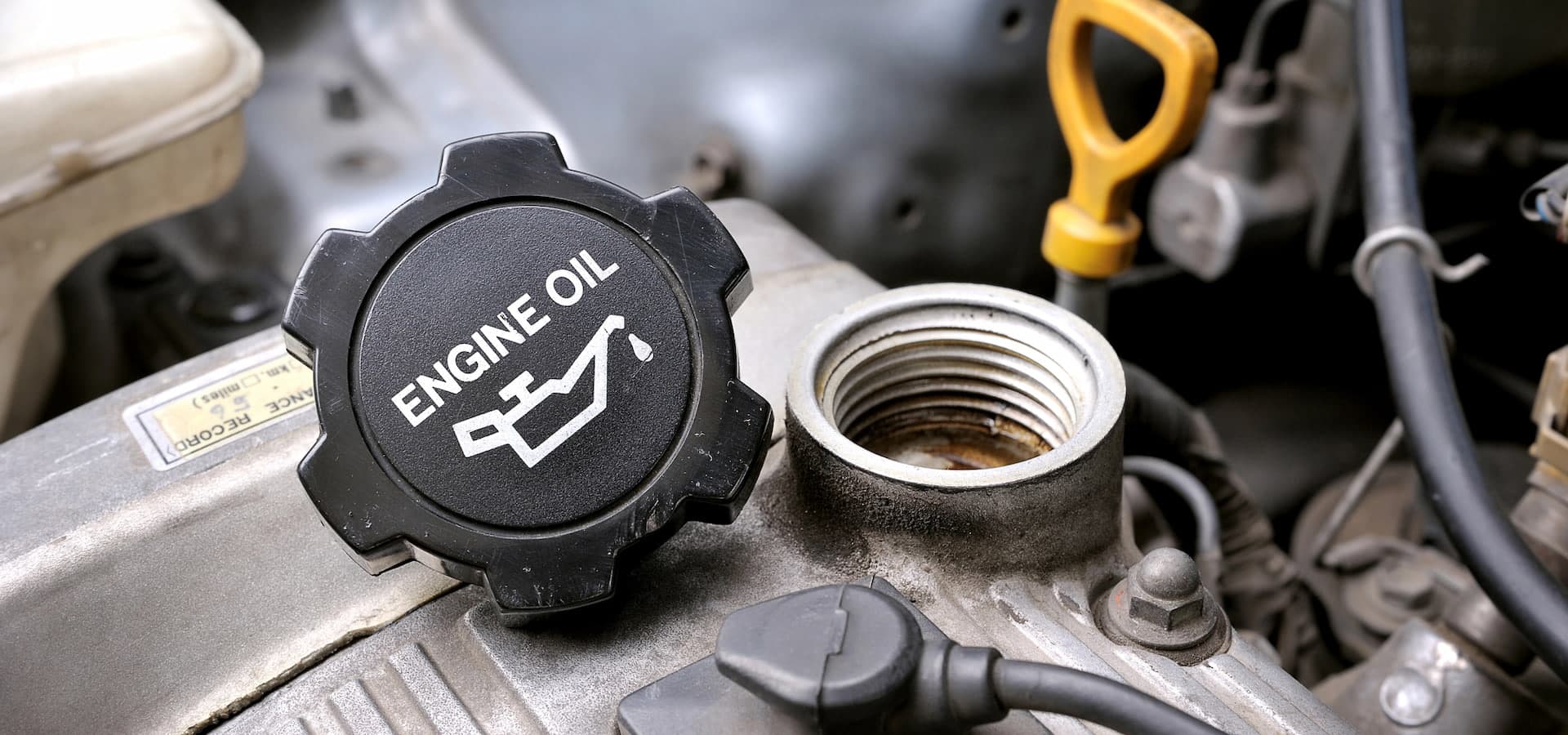
Buick Oil Change at Elevation Auto Repair
A Denver-area Enclave owner rolled in last winter with an oil life monitor reading 5% and a habit of running whatever the quick-lube down the street had on the rack. The problem? His 3.6L V6 needed dexos1-approved oil, not the generic bulk stuff that leaves the LFX and LGX engines prone to sludge and stretched timing chains. That mismatch is exactly why a Buick oil change deserves a shop that knows the platform.
An oil change sounds simple, but doing it right on a modern Buick means matching the correct viscosity and specification, then resetting the oil life monitor through the proper procedure so the system tracks intervals accurately again. Skipping that reset or using off-spec oil is how small oversights turn into expensive engine work.
Two Buick-specific factors we account for every time:
- dexos1 Gen2/Gen3 requirements – GM's LFX, LGX, and LTG turbo engines are sensitive to oil specification, and the wrong fluid accelerates carbon and chain wear.
- Oil life monitor reset – done through the vehicle's onboard system so your maintenance minder reflects reality, protecting service records and resale value.
What you can expect from us:
- Correct dexos-approved oil and a quality OEM-grade filter
- Proper drain plug and filter housing torque to factory spec
- Oil life monitor reset and a quick multi-point look-over
- Clear notes that keep your service history warranty-friendly
Symptoms – How to Know You Need This Service
Your Buick will usually tell you before things get serious. Watch and listen for these:
- Oil life monitor at or near 0% or a "Change Engine Oil Soon" message – schedule promptly.
- Ticking or tapping from the top end on cold start, common when LFX/LGX engines run low or dirty oil – schedule soon.
- Dark, gritty oil on the dipstick that feels thin between your fingers.
- Burning oil smell in the cabin or from under the hood after driving.
- Extended cranking or rough idle from a turbo LTG engine (Regal, some Encore GX) tied to old, thickened oil.
- Reduced fuel economy or sluggish throttle response as friction climbs.
- Oil pressure warning light – stop driving immediately and have the vehicle checked; continued running risks bearing and chain damage.
If you see the red oil pressure light or hear loud knocking, don't try to make it to your next appointment – pull over and call us. Anything else on this list means it's time to book a visit before minor wear becomes a repair bill.
Common Oil Change Issues on Buick Vehicles
Buick's modern lineup relies on GM's Ecotec and V6 platforms, and each has its own oil-related quirks worth knowing before your next service.
- 2.0T LTG Ecotec turbo engines (2013-2019 Regal GS, Verano Turbo) – These direct-injected turbo fours are sensitive to oil quality. Extended intervals accelerate turbocharger bearing wear and PCV valve gumming.
- 2.5L LCV and 1.4L LUV/LUJ Ecotec (Encore, Verano, Cascada) – The 1.4 turbo is known for PCV diaphragm failure inside the valve cover, and old, contaminated oil worsens the pressure imbalance that leads to leaks and blue smoke.
- 3.6L LFX/LGX V6 (LaCrosse, Enclave, Regal) – Timing chain stretch is a documented concern on early 3.6 variants. Clean oil on schedule directly protects the chain guides and VVT solenoids.
- Active Fuel Management / cylinder deactivation V6s – The lifters and AFM valve lifter oil manifold rely on precise oil pressure. Neglected oil causes collapsed lifters and rough running.
- Oil life monitor over-reliance – Buick's GM Oil Life System calculates intervals by driving conditions, but Denver's altitude and stop-and-go traffic can stretch real-world wear beyond what the algorithm expects.
Which Buick Models We See for Oil Change
We service the full modern Buick lineup, and knowing your engine helps us line up the right oil and filter before you arrive.
- Buick Enclave (2008–present) – 3.6L LLT and later LFX/LGX V6; the dexos1 spec matters here for chain and sludge protection.
- Buick Encore (2013–2022) – 1.4L turbo (LUV/LE2); small-sump turbo engines are especially sensitive to interval and oil quality.
- Buick Encore GX (2020–present) – 1.2L and 1.3L turbo three-cylinders; correct viscosity is key on these newer platforms.
- Buick Envision (2016–present) – 2.0L LTG and later 2.0L turbo; these turbocharged fours reward strict oil discipline.
- Buick Regal (2011–2020), including TourX and GS – 2.0L LTG turbo variants; the GS and turbo models run hotter and benefit from staying on spec.
- Buick LaCrosse (2010–2019) – 3.6L V6 and eAssist mild-hybrid setups.
- Buick Verano (2012–2017) – 2.4L and 2.0L turbo.
Older Buicks like the Lucerne, Lesabre, and Rendezvous are less common on our lift, but we're glad to help – give us a call so we can confirm the right oil and filter for your year. Whatever you drive, we'll keep it running strong and your records dealership-clean.
A regular customer brought in her 2015 Buick Enclave last spring after the oil life monitor had been flashing for weeks. She figured the reminder was a suggestion, not a warning. By the time we pulled the drain plug, the oil had turned to sludge and the timing chain guides were already showing wear. That visit turned a simple service into a much bigger conversation about her engine's future. Staying ahead of oil changes is the cheapest insurance you can buy for a Buick, and it keeps your factory warranty and resale value intact.
Causes & Risks – What Happens if Ignored
Most Buick oil problems trace back to a mix of driving habits and climate. Denver's elevation, temperature swings, and short winter trips prevent oil from fully reaching operating temperature, letting moisture and fuel dilute the oil faster than the monitor predicts. Turbocharged LTG and 1.4L engines run hotter, cooking oil that sits too long.
Waiting on an oil change rarely stays a small issue. Sludge starves the top end of the engine, and the damage compounds quickly.
- Ignoring a flashing oil life monitor for months typically leads to sludge buildup that clogs the AFM lifter oil manifold and VVT solenoids.
- Skipped intervals on the 3.6L V6 accelerate timing chain stretch, eventually setting cam correlation codes and risking valve contact.
- Old oil in the 2.0T and 1.4T turbo engines starves the turbo bearings, turning a routine service into a turbocharger replacement.
- Low or degraded oil raises operating temperatures, warping components and pushing leaks past the PCV and valve cover seals.
- Once oil pressure drops far enough, the engine can seize – the most expensive outcome of all.
A service handled on time protects both your safety on the road and your wallet.
Safety Impact – Why Oil Change Matters
Clean oil does more than protect the engine – it keeps the systems you rely on to drive safely working together.
- Engine stalling – A collapsed AFM lifter or oil-starved cam can cause sudden power loss, which disables power steering assist and brake boost.
- Traction and stability control – On Buick's turbo engines, erratic torque delivery from oil-starved components can trigger StabiliTrak and traction control faults.
- Warning light overload – When the check engine light activates from oil-related misfire codes, it can mask other alerts you need to see.
Stop driving now if you notice:
- Oil pressure warning light on the dash
- Loud knocking or ticking from the engine
- Sudden power loss or stalling at speed
Schedule soon if you notice: the oil life monitor at or near zero, a faint burning-oil smell, or minor seepage under the vehicle. Skipping a documented maintenance step can also complicate warranty and insurance claims if a known issue contributes to an incident.
How Buick Oil Change Actually Works
Buick's GM Oil Life System doesn't rely on a fixed mileage. It monitors engine temperature, RPM, and driving conditions to estimate remaining oil life, then displays a percentage. Resetting that monitor correctly after service is part of doing the job right – skip it, and the system keeps counting down from the wrong point.
Getting a Buick oil service right means matching GM's specs, not just any bulk oil.
- dexos1 Gen3 approved synthetic – Buick engines are engineered around GM's dexos specification; the wrong oil can trigger LSPI on turbo engines and void warranty coverage.
- Correct viscosity by engine – The 1.4T, 2.0T, and 3.6L each call for specific grades, and using the wrong weight affects VVT and AFM operation.
- Torque-to-spec drain plug and filter housing – Cartridge filter housings on the Ecotec engines have precise torque values to avoid cracked caps and leaks.
- Oil life monitor reset – Done through
A Buick Enclave rolled into the shop last winter with the oil life monitor reading 5% and a faint tick from the top end – the owner had stretched the interval through a Colorado ski season of short, cold trips. That kind of driving punishes oil, and it's exactly why an oil change on a Buick is more than draining and refilling. Done right, it protects your factory warranty and keeps resale value where it belongs.
How We Diagnose Oil Change Issues on Buick
Before we touch the drain plug, we confirm what your Buick is actually telling us. The oil life monitor is algorithm-based, not sensor-based, so we verify condition directly.
- Pull the GM oil life percentage and stored codes with a GDS2-compatible scanner, checking for low-oil-level or pressure faults common on Ecotec and 3.6L LGX/LFX V6 platforms.
- Inspect for the notorious 2.0T LTG and early 3.6L timing chain rattle at cold start, since chain stretch shows up first as oil-quality complaints.
- Check the dipstick or electronic level, oil color, and viscosity by feel to spot fuel dilution seen on turbocharged direct-injection Buicks doing mostly short trips.
- Do a visual sweep of the valve cover, oil cooler lines, and filter housing for weeping seals – a known wear point on higher-mileage Enclave and LaCrosse V6s.
- Road test to listen for lifter tick or turbo whine that changes with oil condition.
From there we translate findings into a plain-language plan and a clear quote – you'll know what needs attention now versus what we're simply watching.
Oil Change on Buick: Repair vs. Replacement
Not every oil-related finding means a big bill. We separate genuine repairs from parts that have reached the end of their life.
- Straightforward service: Fresh dexos1 Gen 3 synthetic and a proper OEM filter, plus resetting the oil life monitor through the correct GM procedure – ideal when the engine is clean and dry.
- Partial replacement: A weeping valve cover gasket or a leaking oil cooler line on a 3.6L V6 – swap the failed seal or line and keep the rest of the assembly intact.
- Full replacement: When cascading wear appears – a stretched timing chain on a 2.0T LTG that's contaminated oil, or a PCV failure pushing oil through the intake – piecemeal fixes cost more over time than addressing the system.
We lay out the options side by side, explain what each protects, and let you decide. The most expensive path is rarely the one we push.
How to Make Your Buick Oil Change Last Longer
How you drive in Denver's climate has a real effect on how long clean oil stays clean.
- Let a turbocharged 2.0T warm briefly before hard acceleration, and give it a short idle after towing or spirited driving so the turbo bearing sheds heat.
- Combine short errands when you can – repeated cold starts cause the fuel dilution that thins oil on direct-injection engines.
- Watch loaded driving in summer heat, especially fully packed Enclave family trips over mountain passes.
Simple owner habits go a long way:
- Check the dipstick monthly and look for oil spots where you park.
- Listen for new tick or rattle at cold start and note any oil or check-engine light.
- Stick to dexos-approved synthetic and OEM-spec filters – the wrong viscosity undermines chain tensioners and turbo protection.
- Keep up with GM software updates that refine the oil life algorithm and follow Buick's published intervals to preserve warranty coverage.
Topping off oil and checking levels is safe DIY. Leave suspected leaks, timing chain noise, and PCV or oil-pressure diagnostics to us – guessing on those risks the engine.
What to Expect When You Bring Your Buick In
A LaCrosse owner once rolled in convinced her 3.6L LFX just needed a quick top-off, only for us to catch a slow oil consumption pattern before it starved the timing chain. That kind of catch starts with a clear, predictable process.
- Drop-off or scheduled appointment – Tell us your Buick's model, mileage, and any warning lights. Shuttle service is available, and after-hours key pickup can be arranged for tight schedules.
- Initial inspection – We verify the correct spec, such as dexos1 Gen 3 5W-30 for most Enclave, Encore, and Regal models, and check for leaks around the oil cooler and filter housing.
- Written estimate – You get a clear breakdown before we start. Nothing gets approved without your say-so, and we flag related items like a due cabin filter without pressure.
- Communication during service – Photos and text or call updates keep you informed. Leave personal items where they are; we work around them.
- Pickup walkthrough – We show you the old filter, note fluid condition, and reset the oil life monitor properly.
Every Buick gets a short road test and a scan-tool re-check to confirm no codes lingered. If anything feels off after you leave, bring it back and we'll re-inspect – no runaround.
Why Choose Elevation Auto Repair for Buick Oil Change
We know Buick platforms beyond the drain plug. The 2.0L and 2.5L Ecotec engines in the Regal and LaCrosse, plus the LFX/LGX V6 in the Enclave, each have their own quirks around oil consumption, PCV behavior, and filter housing seals.
- TSB and software awareness – We check for Buick service bulletins tied to oil consumption and confirm oil life algorithm resets follow GM's procedure, not a generic dashboard button-press.
- Correct dexos spec, every time – Using the right dexos1-approved oil protects your warranty and keeps VVT and turbo components living up to their design life.
- End-to-end ownership – The same shop that inspects your Buick handles the service and verifies it with a road test and scan check.
As your Denver dealership alternative, we handle everything from a routine oil change to cooling, timing, and drivetrain work under one roof. Doing the job to factory spec preserves both your warranty coverage and your Buick's resale value down the road.
Our Buick Services
- Air Conditioning AC Repair
- Battery Repair Replacement
- Brake Repair & Brake Fluid Change
- Check Engine Light Diagnostics
- Clutch Repair & Replacement
- Coolant Leak Repair
- Cooling System Repair
- Drive Shaft Repair
- Engine Repair
- Exhaust & Catalytic Converter Repair
- Head Gasket Repair & Replacement
- Oil Leak Repair
- Scheduled Service Maintenance
- Steering Repair
- Suspension Repair
- Cambelt Timing Belt Replacement
- Transmission Repair
- Tune Up
- Wheel Alignment