
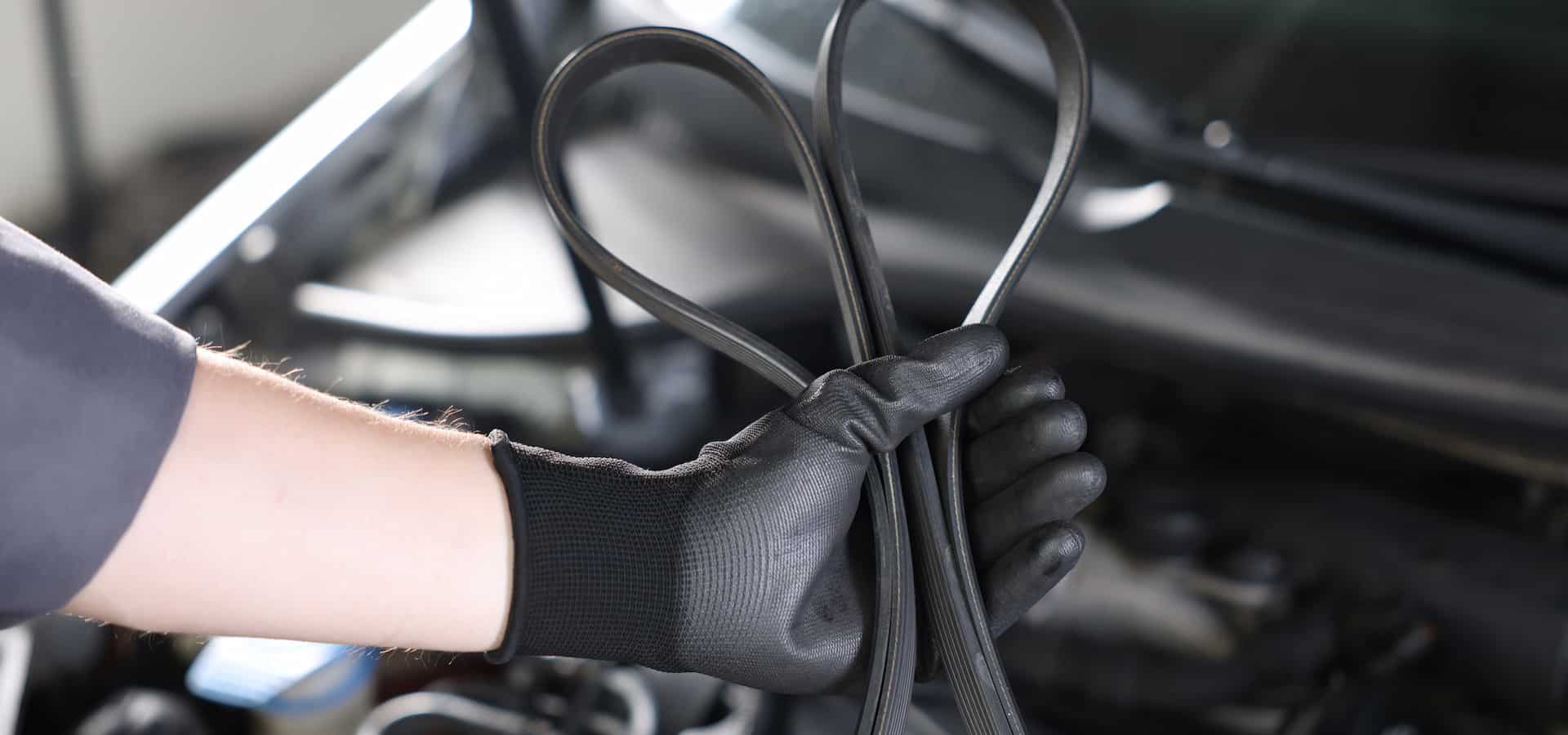
INFINITI Cambelt Timing Belt Replacement at Elevation Auto Repair
INFINITI's engineering history splits neatly into two camps, and knowing which one your car belongs to changes everything about this job. The VQ-series V6 engines run timing chains, while a number of older and specialty INFINITI powerplants rely on a rubber timing belt that has a finite service life. Getting the distinction right – and doing the belt correctly when it applies – protects your engine, your warranty coverage, and your resale value.
Doing this properly on an INFINITI means more than swapping a belt. Interference-engine designs leave no clearance between valves and pistons if the belt slips, so precise cam and crank alignment against factory timing marks is the difference between a clean job and bent valves. We follow OEM torque specs on tensioner and idler hardware and replace the water pump, tensioner, and seals as a set rather than reusing parts that are already halfway through their life.
Here's what you can expect when you bring your INFINITI to us:
- Straight answers on whether your engine uses a belt or a chain – no upselling a service you don't need
- Complete kit replacement including tensioner, idlers, and water pump where applicable
- OEM-spec torque and timing verification before the engine ever turns over
- Documented service that supports your maintenance records and resale value
Symptoms – How to Know You Need This Service
A worn timing belt rarely fails without warning, but the signs are easy to miss if you're not paying attention. On belt-driven INFINITI engines, you may notice:
- A high-pitched squeal or slapping sound from the front of the engine, especially on cold starts
- A rough or uneven idle that wasn't there before
- Difficulty starting, or the engine cranking longer than usual before catching
- A check engine light with camshaft or crankshaft position sensor correlation codes
- Visible cracking, glazing, or missing teeth if you can see the belt
- An oil or coolant leak near the timing cover that can accelerate belt wear
- A ticking or rattling that changes with engine speed
Schedule soon if you hear squealing or see the check engine light – these mean the belt or its tensioner is aging but hasn't failed. Stop driving immediately if you hear sudden loud slapping, the engine stalls and won't restart, or the belt shows missing teeth. On interference engines, a snapped belt can bend valves in seconds, turning a routine service into a major repair.
Common Cambelt Timing Belt Replacement Issues on INFINITI Vehicles
Because most modern INFINITI engines use chains, the failures we see cluster around chain stretch, guide wear, and tensioner problems rather than a worn rubber belt. Here are the patterns that show up most on Denver-area cars:
- VQ35DE / VQ37VHR chain guide wear (G35, G37, M35, FX35) – The plastic guides and tensioner shoes harden with age and short-trip driving, producing a rattle on cold start before oil pressure builds.
- VK56 / VK56DE timing chain noise (QX56, early 2004-2010) – Secondary chain tensioner and guide wear on higher-mileage V8s can cause a light-off startup rattle that worsens if deferred.
- VQ35 timing cover oil seepage – Aging front cover gaskets weep oil onto the chain area, accelerating guide degradation on cars with lapsed oil-change intervals.
- VC-Turbo (KR20DDET, QX50 2019+) variable-compression complexity – This engine's harmonic and multi-link setup demands OEM sequence and specification during any timing service.
- VQ35HR/VQ37 variable valve timing solenoid faults – Sludge from missed oil changes clogs VVT actuators, throwing cam-correlation codes that mimic belt or chain issues.
- Belt-driven legacy engines (older I30/QX4 platforms) – On the rare INFINITI still using a rubber belt, cracking and glazing from Colorado's dry climate and heat cycling remain the primary wear path.
Which INFINITI Models We See for Cambelt Timing Belt Replacement
Most modern INFINITI models use timing chains, so belt replacement applies mainly to older platforms and specific engine families. Here's how to find your car:
- Q45 (G50, 1990-1996) – the original VH45DE V8 uses a timing belt and is a true interference engine; precise alignment is critical
- M30 (F31, 1990-1992) – VG30E V6, belt-driven and due for replacement on any surviving example
- J30 (1993-1997) – VG30DE V6 with a timing belt; water pump and tensioner should always go with the belt
- I30 (1996-1999, first generation) – early VQ30DE variants; we verify belt versus chain by build date before quoting
- Later I35, G-series, Q50, Q60, QX platforms – VQ35, VQ37VHR, and VR30DDTT engines are chain-driven and do not need this service
If your INFINITI falls into the chain-driven group, we'll tell you plainly and steer you toward the maintenance that actually matters for your engine. For the belt-equipped classics, the interference design means there's no room for guesswork – we confirm timing marks against factory references and torque every fastener to spec. Bring us your VIN and we'll confirm exactly what your car needs before any work begins.
INFINITI built its reputation on the VQ and VK engine families, and those platforms come with their own timing-drive quirks that a general shop often misreads. Many INFINITI models run timing chains rather than rubber belts, which changes the whole conversation around tensioners, guides, and oil-fed components. Knowing which of your INFINITI engines uses a belt versus a chain is the first step toward keeping factory warranty coverage intact and protecting resale value down the road.
Causes & Risks – What Happens if Ignored
Most INFINITI timing-drive trouble traces back to lapsed oil changes, extended short-trip driving, and Denver's temperature swings that stress rubber, plastic guides, and hydraulic tensioners. Age and dried-out oil galleries do the rest.
Ignoring an early cold-start rattle on a VQ or VK engine for months typically lets the chain guides shed material, which starves the tensioner and lets the chain skip a tooth. Once cam timing slips on an interference engine, valves and pistons can meet.
- A light startup rattle becomes a constant chain slap and eventual guide fracture.
- Skipped or stretched chain triggers cam-correlation codes and rough running.
- Oil seepage from a weeping front cover accelerates guide breakdown and contaminates sensors.
- A jumped or snapped timing component on an interference engine bends valves and can damage pistons and cylinder heads.
- What starts as a guide-and-tensioner service can grow into a full head rebuild if left too long.
The safety line is simple – once the engine runs rough, stalls, or the rattle becomes constant, driving risks catastrophic internal damage. We'll pin down which stage your INFINITI is in and lay out the fix clearly.
Safety Impact – Why Cambelt Timing Belt Replacement Matters
A timing failure on an INFINITI rarely stops at the engine. A sudden stall pulls power assist away from systems that keep you controllable in traffic.
- Power steering – An engine that dies at speed leaves electric or hydraulic assist unavailable, making steering heavy right when you need it.
- Braking assist – Loss of vacuum on a stalled engine reduces brake booster performance.
- Stability and traction control – ABS, VDC, and traction systems fault out or disable when the engine loses rotation.
- Warning systems – Cam and crank correlation faults can put the car into limp mode without notice.
Stop driving now if you hear a loud, constant chain slap, the engine runs rough, or a timing-related warning light appears. Schedule soon if you notice a brief cold-start rattle that clears once oil pressure builds. Addressing a known timing issue before an incident also protects you on the liability side – a documented, deferred repair looks very different after a breakdown. We'll help you get ahead of it.
How INFINITI Cambelt Timing Belt Replacement Actually Works
On most INFINITI engines, the timing chain links the crankshaft to the camshafts so the valves open and close in exact sync with the pistons. Hydraulic tensioners fed by engine oil keep the chain tight, while plastic guides hold its path. Because these are oil-dependent systems, service quality and correct specifications matter more than on a simple belt swap.
INFINITI's design choices change how the work must be done versus a generic job:
- VVT / variable valve timing – Cam actuators must be set and verified with factory-level scan tools to confirm correlation after reassembly.
- Oil-fed tensioners – Correct fill, priming, and clean oil galleries are part of the repair, not an afterthought.
- Torque and sequence specs – Cam sprocket and cover fasteners follow INFINITI-specific values and tightening order to avoid leaks and timing error.
- VC-Turbo complexity – The variable-compression QX50
INFINITI's engine lineup splits into two camps that change everything about timing service. Most modern INFINITIs – the VQ35/VQ37 V6 in the G37, Q50, and Q60, plus the VK56 V8 in the QX56/QX80 – run timing chains rather than rubber belts. The genuine belt-driven exceptions are older platforms and select diesel-market engines, which is why a shop needs to identify your exact engine before quoting anything. Getting this right protects both your warranty coverage and long-term resale value.
How We Diagnose Cambelt Timing Belt Replacement Issues on INFINITI
Timing-related symptoms on an INFINITI rarely announce themselves clearly, so we work through a fixed sequence rather than guessing.
- Confirm the engine family and drive type – VQ/VK chain-driven engines versus true belt platforms – using the VIN and factory build data.
- Connect a CONSULT-III/CONSULT-III Plus compatible scanner to pull camshaft and crankshaft correlation codes such as P0011, P0021, P0016, and P0335.
- Review freeze-frame data and monitor live camshaft position sensor and VVT/VVEL actuator behavior at idle and under load.
- Perform a cold-start listen for the rattle that points to chain stretch or a worn tensioner on higher-mileage VQ engines.
- Visually inspect belts, tensioners, and guides where accessible, checking for cracking, glazing, oil contamination, or slack.
- Road test to reproduce hesitation, rough idle, or timing-related power loss.
Chain-driven VQ35/VQ37 engines commonly show correlation codes as tensioners and guides wear, while belt platforms need measured deflection and interval verification. Once we know what's actually worn, you get a written plan and quote that lists parts, labor, and what we recommend leaving alone.
Cambelt Timing Belt Replacement on INFINITI: Repair vs. Replacement
Not every timing concern means tearing the front of the engine apart. We match the fix to the actual condition.
- True repair – A code triggered by a failing camshaft position sensor, a clogged VVT solenoid, or low/dirty oil starving the actuators. Cleaning, a sensor swap, or an oil service often resolves it with the timing components untouched.
- Partial replacement – On belt platforms, replacing the belt, tensioner, and idlers while the water pump still tests healthy. On VQ chains, swapping a noisy tensioner or worn guide when the chain measures within spec.
- Full replacement – Cascading wear where the chain, guides, and tensioners have all stretched, or belt failure risk on an interference engine where a snapped belt bends valves. When repair costs climb toward a complete job, the full kit is the smarter spend.
We lay out each option side by side with the trade-offs, so you choose based on your mileage, ownership plans, and budget – not because we steered you to the biggest ticket.
How to Make Your INFINITI Cambelt Timing Belt Replacement Last Longer
Timing components live or die by clean oil and steady habits, and INFINITI's variable valve systems are especially sensitive to both.
- Warm the engine gently before hard acceleration – cold VQ engines rely on oil pressure to feed VVT actuators and chain tensioners.
- Avoid stretching oil-change intervals, since sludge and low levels accelerate chain stretch and tensioner wear on VQ35/VQ37 engines.
- Skip lugging the engine under heavy load in the QX56/QX80 when towing – smooth throttle protects the timing drive.
Owner-friendly maintenance goes a long way:
- Listen for a cold-start rattle that fades after a few seconds and report it early.
- Check oil level and color monthly, and watch for the VVT or check-engine light.
- Use OEM or INFINITI-spec oil and genuine tensioners and belts – aftermarket substitutes wear faster on these engines.
- Keep ECM software current, as INFINITI updates can refine valve-timing strategy.
Oil checks and visual belt inspections are safe to do yourself. Anything behind the timing cover – belt, chain, tensioner, or water pump replacement – is precision work with tight torque specs and should stay with the shop to protect valve clearance and your warranty.
INFINITI's lineup splits between two very different setups, and knowing which one you own changes everything about this service. Most modern models – the G, Q50, Q60, and QX platforms built around the VQ35/VQ37 and VR-series V6s – run timing chains, not belts. The belt-driven engines you'll find are largely older Q45 and QX56/QX80 applications, plus the VH45DE V8 in early flagship sedans, where a rubber cambelt does the work. Getting this diagnosis right first is where specialist attention pays off, because replacing a "belt" on a chain-driven VQ is a different job entirely.
What to Expect When You Bring Your INFINITI In
We keep the process straightforward so you always know where your vehicle stands.
- Drop-off or scheduled appointment – tell us your model, mileage, and any noises or rough-running symptoms you've noticed. Shuttle and loaner options are available so you're not stranded.
- Initial inspection – we confirm belt-versus-chain by VIN and engine code, then check the tensioner, idler pulleys, water pump, and cam/crank seals for the leaks these age-related jobs often hide.
- Written estimate – you get a clear breakdown of parts and labor before anything moves forward, including recommended companion items like the water pump and thermostat while the front cover is open.
- Work in progress – we call or text with updates, and nothing outside the approved estimate happens without your sign-off.
- Pickup walkthrough – we show you the old belt and any worn parts, explain what we found, and answer questions. After-hours pickup can be arranged.
Please remove valuables and personal items before drop-off. Before your INFINITI leaves, we complete a road test and a scan-tool re-check to confirm timing marks, idle quality, and clean fault memory. If anything feels off afterward, bring it back and we'll make it right.
Why Choose Elevation Auto Repair for INFINITI Cambelt Timing Belt Replacement
Timing work leaves no room for guesswork, and we treat these engines as interference designs – meaning a snapped belt or skipped tooth can bend valves. That's why we set timing to factory marks, torque the crank bolt to INFINITI spec, and verify with a scan tool rather than eyeballing it.
- VIN-based confirmation of belt versus chain so you pay for the correct service, not a generic assumption
- Familiarity with INFINITI TSBs, related software updates, and platform quirks like weeping water pumps and front cover seal seepage on higher-mileage V8s
- Replacement of the tensioner, idlers, and water pump together, since reusing tired components is a common cause of repeat failures
We own the job end to end – diagnosis, teardown, reassembly, and post-repair verification – under one roof. Keeping this work to OEM procedures protects any remaining warranty coverage and supports resale value when your INFINITI's service history holds up to scrutiny. You get dealership-level precision with honest, direct communication from the people actually turning the wrenches.
Our INFINITI Services
- Air Conditioning AC Repair
- Battery Repair Replacement
- Brake Repair & Brake Fluid Change
- Check Engine Light Diagnostics
- Clutch Repair & Replacement
- Coolant Leak Repair
- Cooling System Repair
- Drive Shaft Repair
- Engine Repair
- Exhaust & Catalytic Converter Repair
- Head Gasket Repair & Replacement
- Oil Change
- Oil Leak Repair
- Scheduled Service Maintenance
- Steering Repair
- Suspension Repair
- Transmission Repair
- Tune Up
- Wheel Alignment