Jeep Clutch Repair & Replacement at Elevation Auto Repair
A botched clutch job on a Jeep gets expensive fast, and the wrong shortcut can leave you stranded on a trail or a Denver on-ramp. These are heavy vehicles with tall gearing, low-range transfer cases, and drivers who tow and wheel them hard, so the clutch takes a beating that a commuter car never sees.
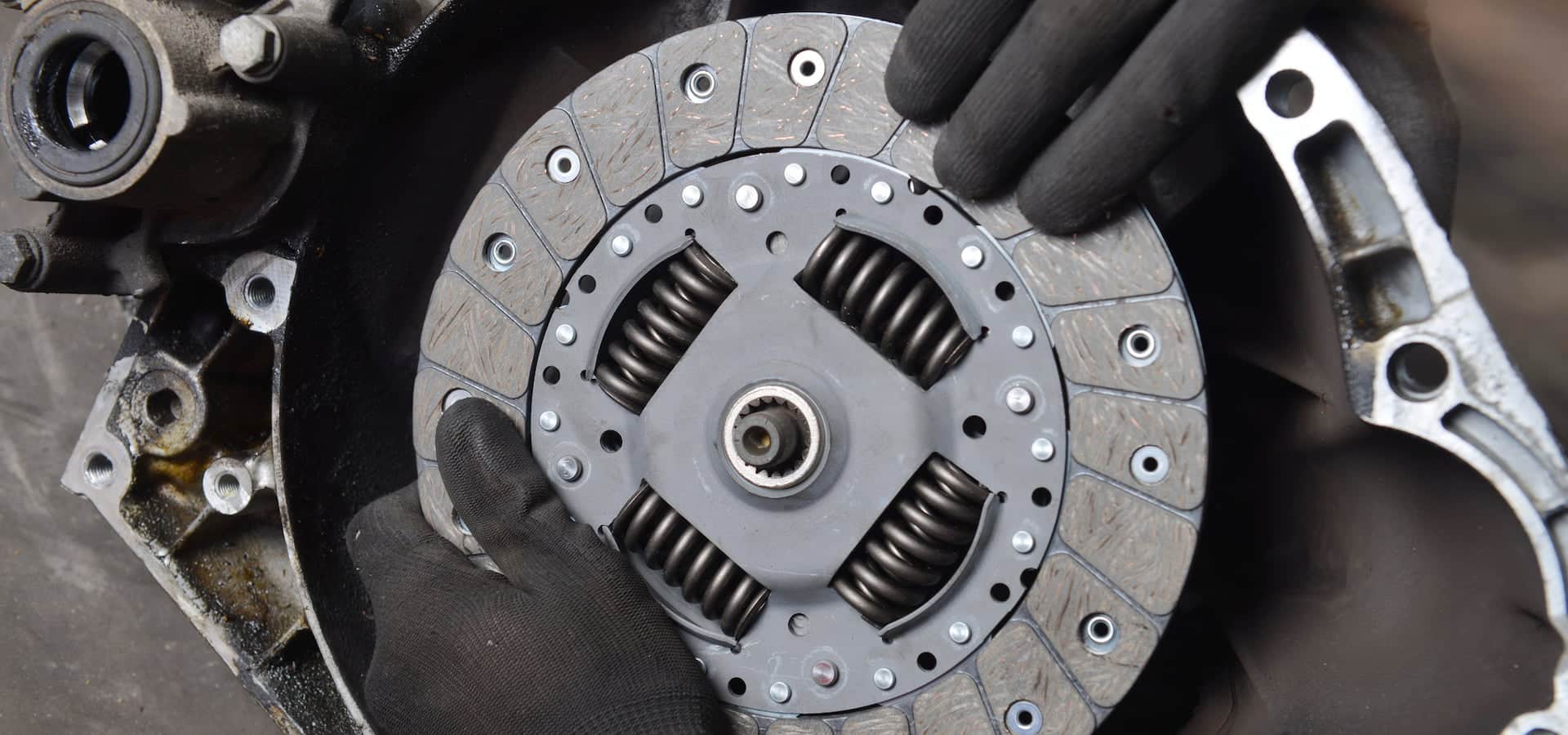
Clutch replacement means dropping the transmission (and often the transfer case on 4WD models) to swap the clutch disc, pressure plate, throwout bearing, and pilot bearing as a set. On a Jeep this is different because the NV3550, NSG370, and AX-15 manual boxes each have their own bellhousing quirks and input shaft splines, and the hydraulic release systems on later Wranglers must be bled and torqued to spec to avoid a soft or dragging pedal.
- Full inspection of the flywheel, rear main seal, and pilot bearing while the transmission is out
- OEM-grade clutch kits matched to your engine and how you actually drive – daily, towing, or off-road
- Proper hydraulic bleed and pedal-height adjustment so engagement feels right the first time
- Straight talk on what needs replacing now versus what can wait
Symptoms – How to Know You Need This Service
Clutch wear on a Jeep usually announces itself gradually, then gets worse quickly. Watch for these signs from the driver's seat:
- Slipping under load – engine RPM climbs but speed doesn't, especially climbing grades or towing. Schedule soon.
- Burning smell after hill climbs or stop-and-go traffic, a scorched-clutch odor that lingers.
- High or spongy pedal engagement, or a pedal that grabs right at the top – often a worn disc or a failing hydraulic slave/master cylinder.
- Chattering or shuddering when releasing the pedal from a stop, sometimes a contaminated disc from a leaking rear main seal.
- Grinding into gear, especially 1st and reverse, pointing to a clutch that won't fully disengage.
- Squeal or rattle that changes when you press the pedal – a worn throwout or pilot bearing.
- Pedal sticks to the floor or loses pressure entirely. Stop driving and have it towed – this usually means a failed hydraulic line or slave cylinder, and you can't safely shift.
If you're smelling clutch or losing the ability to select gears, get it looked at before you're stuck.
Common Clutch Repair & Replacement Issues on Jeep Vehicles
Jeep clutch complaints tend to cluster around a handful of platforms and driving styles. Off-road crawling, stop-and-go Denver traffic, and towing all accelerate wear in predictable ways.
- Wrangler JK (2007-2018, 3.8L and 3.6L Pentastar): Slipping under load and a high, vague engagement point, often traced to a worn friction disc combined with a tired self-adjusting pressure plate. Heavy off-road use glazes the disc quickly.
- Cherokee XJ (1997-2001, 4.0L AX-15/NV3550): Chattering on takeoff and pedal pulsation from a scored or heat-checked flywheel. The 4.0L's torque loads the disc hard, and skipped resurfacing brings the shudder right back.
- Wrangler TJ (1997-2006): Hydraulic clutch complaints – soft pedal, hard shifts, gears that grind cold – usually from a failing internal slave cylinder (CSC) integrated with the throwout bearing. When it leaks, the transmission has to come back out.
- Liberty KJ/KK (2002-2012 manuals): Release bearing noise and pedal squeak, plus master cylinder seal weep that starves the system of fluid.
- Wrangler JL (2018+ 6-speed): Premature disc wear from aggressive rock-crawling clutch feathering, along with dual-mass flywheel rattle at idle.
- Any high-lift/oversized-tire build: Accelerated clutch fade because larger tires effectively re-gear the driveline against the factory clutch.
Which Jeep Models We See for Clutch Repair & Replacement
Manual-transmission Jeeps are our bread and butter for this work. Find your platform below:
- Wrangler TJ (1997–2006) – 4.0L inline-six with AX-15 or NV3550 manual; classic candidate as the internal slave cylinder ages.
- Wrangler JK (2007–2018) – 3.8L and 3.6L Pentastar with the NSG370 six-speed; hydraulic release and dual-mass considerations apply.
- Wrangler JL (2018–present) – 3.6L and 2.0L turbo manuals; precise bleed and torque specs matter on these newer release systems.
- Cherokee XJ (1984–2001) – 4.0L with AX-15 or AX-5; a durable platform we still see regularly.
- Wrangler YJ (1987–1995) – 2.5L four and 4.0L six, older external hydraulics and cable-era setups.
- Gladiator JT (2020–present) – 3.6L manual, heavier towing loads that accelerate clutch wear.
Manuals with lift kits, larger tires, or frequent towing wear faster – we account for that when recommending a clutch kit. Automatic-equipped Jeeps and the Grand Cherokee (which came automatic-only in most years) don't use a traditional clutch, so if you're chasing a shudder there, we'll steer you toward the right transmission diagnosis instead. Not sure which gearbox you have? Bring it in and we'll confirm it.
Getting a clutch job wrong on a Jeep is an expensive lesson. A mismatched pressure plate, a skipped flywheel resurface, or an improperly bled hydraulic line can send you right back under the vehicle within a few thousand miles. On models like the Wrangler TJ, JK, and JL – along with the Cherokee XJ and Liberty KJ – the manual transmission sits behind engines that produce real low-end torque, and that torque punishes any shortcut. We treat every clutch replacement as a full driveline event, not a parts swap.
Causes & Risks – What Happens if Ignored
Most Jeep clutch failures trace back to a mix of heat, load, and hydraulic neglect. Rock crawling and trail riding keep the clutch partially engaged for long stretches, glazing the friction surface. Colorado's grades and towing add sustained load, and a slave or master cylinder that starts weeping fluid quietly degrades engagement long before the pedal drops to the floor.
Waiting turns a straightforward job into a driveline teardown. A slipping disc that could have been replaced alone will eventually score the flywheel and cook the pressure plate.
- Ignoring a slipping disc for a few thousand miles typically overheats and warps the flywheel, adding a resurface or replacement.
- A leaking internal slave cylinder left unaddressed drops the pedal entirely and can strand you, since the transmission must come out regardless.
- Chatter and shudder ignored on a 4.0L XJ often means metal transfer to the flywheel and a ruined new disc if installed over it.
- Low hydraulic fluid from a weeping master cylinder introduces air, causing missed shifts and eventual gear grind that damages synchros.
- Continued driving on a failing release bearing can seize and destroy the input shaft area.
The safety line is simple: once the clutch slips under acceleration on a highway on-ramp, or the pedal engagement becomes unpredictable, you have lost the ability to control power delivery reliably. That is the point to stop deferring.
Safety Impact – Why Clutch Repair & Replacement Matters
A failing clutch is not just a drivability annoyance – it compromises how your Jeep responds in the moments that matter. A slipping clutch delays power when you need to merge or climb, and a clutch that won't fully disengage forces grinding shifts that can lock up the driveline unexpectedly on a trail descent.
- Stop driving now: pedal goes to the floor and won't return, sudden loss of any gear engagement, burning smell with severe power loss, or the clutch won't disengage to stop cleanly.
- Schedule soon: intermittent slip under load, chatter on takeoff, rising engagement point, or occasional hard cold shifts.
On manual Jeeps, the clutch also ties into safe stopping – a clutch that won't release makes it harder to declutch and brake in an emergency, and stalling at the wrong moment on a grade is a real hazard. From a liability standpoint, a known slipping or hydraulic-leak condition left unrepaired before an incident is a problem you don't want on record. We'd rather get it corrected while it's still a scheduled visit.
How Jeep Clutch Repair & Replacement Actually Works
Most Jeep manuals use a single dry friction disc squeezed between the flywheel and a diaphragm-spring pressure plate, released hydraulically. Press the pedal and a master cylinder pushes fluid to a slave cylinder – on many TJ, XJ, and later models, that slave is a concentric unit riding on the transmission input shaft, which is why fluid leaks mean the transmission comes out.
What makes Jeep work different from a generic clutch swap comes down to the driveline layout and matching parts to how the Jeep is built.
- Transfer case and driveshaft: 4WD Jeeps require dropping or supporting the transfer case, so the job is a full driveline procedure, not a simple bellhousing pull.
- Flywhe
A botched clutch job on a Jeep costs more than the parts – get the pilot bearing, hydraulic bleed, or flywheel spec wrong on a Wrangler or Cherokee and you're back under the transmission within months. The manual gearboxes behind the 3.6L Pentastar (JK/JL Wrangler), the NV3550/NSG370 boxes, and the older 4.0L inline-six setups each have quirks that reward careful work. Here's how we get it right the first time.
How We Diagnose Clutch Repair & Replacement Issues on Jeep
Clutch complaints on a Jeep rarely announce themselves clearly – slipping under load, a high or spongy pedal, and shudder off the line can all point to different root causes. We separate hydraulic problems from friction wear before anything comes apart.
- Scan and interview: We pull codes with a wiTECH-capable platform on JK/JL and newer models, checking for clutch position sensor faults, PCM stall-prevention flags, and any related transmission or PTO data.
- Hydraulic inspection: On Wranglers with the concentric slave cylinder (internal to the bellhousing), we check fluid level, look for a soft pedal, and inspect the master cylinder and lines for weeping – a common early-JK failure point.
- Road test: We drive it to reproduce slip, judder, and grab, testing engagement point in low range and under trailer-style load.
- Physical checks: Measuring pedal free play, listening for throwout bearing noise at idle with the pedal in and out, and inspecting for the burnt-friction smell that signals disc glaze.
Those findings turn into a plain-language repair plan and a written quote – you see exactly which components need attention and why, with no guesswork.
Clutch Repair & Replacement on Jeep: Repair vs. Replacement
Not every clutch complaint means dropping the transmission. We match the fix to the actual failure.
- True repair: A high or fading pedal on a JK Wrangler is often just a failing hydraulic master or slave cylinder or air in the line – bleeding the system or replacing a single hydraulic component restores normal engagement without touching the disc.
- Partial replacement: When the friction disc is worn but the pressure plate and flywheel measure within spec, we replace the disc, throwout bearing, and pilot bearing together since the box is already out – smart while access is open.
- Full replacement: Contamination from a leaking rear main seal, a heat-scored or warped flywheel, or a worn pressure plate calls for a complete kit and flywheel resurfacing or replacement. On high-mileage NSG370 setups, replacing everything at once is the reliable call.
We walk you through what we measured and where each component stands, then let you choose – the goal is a lasting fix, not the biggest invoice.
How to Make Your Jeep Clutch Repair & Replacement Last Longer
A fresh clutch in a Jeep can go a long time when it's treated right, especially on rigs that see towing, trail duty, or Denver's grades.
- Driving habits: Keep your foot off the pedal at stoplights, avoid riding the clutch on hill starts, and let the clutch fully engage before applying load when towing or crawling.
- Break-in care: Drive gently for the first few hundred miles after replacement so the new disc seats evenly against the flywheel.
- Owner monitoring: Listen for new bearing noise when you press the pedal, watch for a creeping engagement point, and keep an eye on the brake-style reservoir that feeds the clutch hydraulics on JK/JL models.
Use the correct DOT-spec hydraulic fluid Jeep calls for – topping off with the wrong fluid degrades seals in the concentric slave cylinder. Keep up with factory service intervals and let software updates land during routine visits.
Checking fluid level and listening for changes are safe for any owner. Anything involving the bellhousing, hydraulic bleeding on internal slave setups, or flywheel work should stay with the shop – these are safety-critical systems where a small mistake leaves you stranded.
A botched clutch job on a Jeep gets expensive fast. Line up the hydraulic release bearing wrong on a JK or JL Wrangler, skip resurfacing the flywheel on a 3.6L Pentastar, or reuse a stretched slave cylinder line, and you're back under the transmission within weeks. On a heavy manual like the NSG370 six-speed found in Wranglers and older Libertys, torque specs and pilot bearing alignment matter more than most shops admit. We treat the details as the job.
What to Expect When You Bring Your Jeep In
Clutch symptoms on a Jeep usually show up as a high or slipping engagement point, chatter on takeoff, or a pedal that goes soft – often a failing concentric slave cylinder on JK/JL platforms. Here's how a visit runs:
- Drop-off or appointment – Tell us how it feels: slipping under load, grinding into gears, or hydraulic pedal sink. Clear personal items from the cabin; we log anything left behind.
- Initial inspection – We verify clutch wear, check the slave/master cylinder, inspect the flywheel surface, and rule out linkage or fluid causes before condemning the disc.
- Written estimate – You get a line-item breakdown covering disc, pressure plate, release bearing, and flywheel resurfacing or replacement, plus any pilot bearing and rear main seal findings.
- Repair updates – We call or text as work progresses, especially if we find a scored flywheel or leaking seal worth addressing while the trans is out.
- Pickup walkthrough – We show you the old parts and explain what failed and why.
Shuttle and loaner options are available, and after-hours pickup can be arranged. Before your Jeep leaves, we road test it through full gear engagement and re-check for hydraulic and drivetrain codes. If the pedal feel isn't right afterward, bring it back and we'll make it right.
Why Choose Elevation Auto Repair for Jeep Clutch Repair & Replacement
Clutch work on Jeeps is drivetrain-specific, and we do the whole job in-house – diagnosis, teardown, replacement, and post-repair verification. No handing off the hard parts.
- Platform familiarity – We know the NSG370 six-speed and AX-series manuals, the concentric slave cylinder quirks on JK/JL Wranglers, and the flywheel behavior behind the 3.6L Pentastar and older 4.0L inline-six.
- TSB and software awareness – We check applicable Jeep service bulletins and reference updated hydraulic bleed procedures rather than guessing at pedal feel.
- Full teardown honesty – With the transmission out, we inspect the rear main seal, pilot bearing, and input shaft splines, and tell you what actually needs replacing.
We resurface or replace flywheels to spec, follow OEM torque sequences on bellhousing and pressure plate bolts, and bleed the hydraulic system properly so engagement is clean. As your Denver dealership alternative, we handle Jeep clutch jobs from first symptom to final road test under one roof – and stand behind the result.
Our Jeep Services
- Air Conditioning AC Repair
- Battery Repair Replacement
- Brake Repair & Brake Fluid Change
- Check Engine Light Diagnostics
- Coolant Leak Repair
- Cooling System Repair
- Drive Shaft Repair
- Engine Repair
- Exhaust & Catalytic Converter Repair
- Head Gasket Repair & Replacement
- Oil Change
- Oil Leak Repair
- Scheduled Service Maintenance
- Steering Repair
- Suspension Repair
- Cambelt Timing Belt Replacement
- Transmission Repair
- Tune Up
- Wheel Alignment