INFINITI Check Engine Light Diagnostics at Elevation Auto Repair
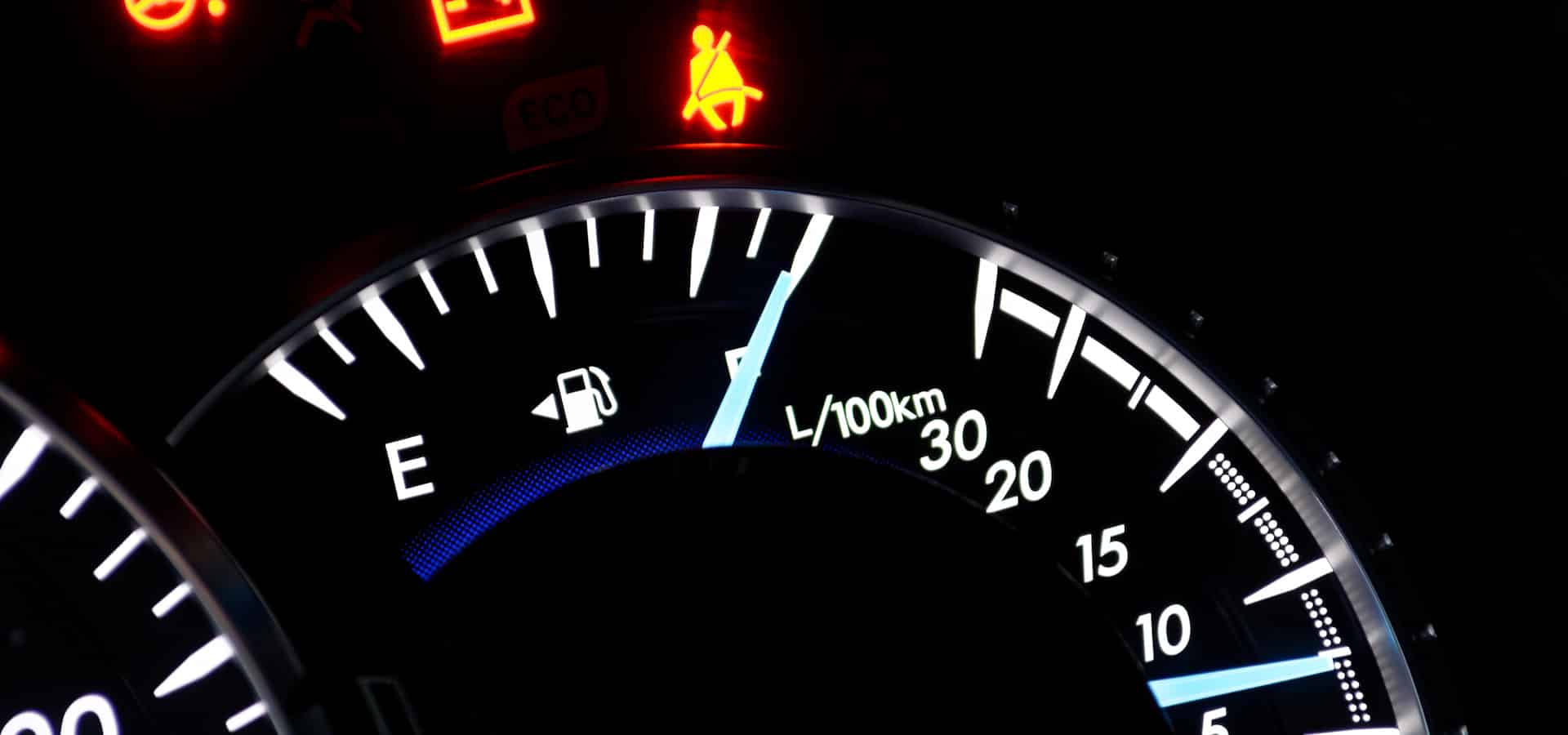
A glowing amber engine icon on your INFINITI dash sends most drivers straight to a generic parts-store code reader, only to walk out with a single number and no real answer. That approach misses the layered software and network data that INFINITI's ECM, TCM, and body control modules actually store.
Proper diagnostics on a INFINITI means reading beyond the surface code. The VQ35DE and VQ37VHR V6 platforms, along with the twin-turbo VR30DDTT found in later Q50 and Q60 models, throw codes tied to VVEL actuators, timing chain wear, and direct-injection carbon buildup that a quick scan won't explain. We pull live freeze-frame data, monitor fuel trims, and use INFINITI-aligned scan procedures to interpret CAN-bus communication rather than guessing.
Because these engines share Nissan drivetrain architecture, we cross-reference known failure patterns – like camshaft position sensor faults and evap purge issues – against your exact VIN and mileage. That's how we avoid throwing parts at a problem.
- A full multi-module scan, not just a single generic code pull
- Live data analysis of fuel trims, sensors, and misfire counts
- A clear explanation of root cause versus symptom
- Honest recommendations with no unnecessary repairs
Symptoms – How to Know You Need This Service
Your INFINITI often signals trouble before the light even appears. Pay attention when you notice these patterns:
- A steady check engine light with no obvious drivability change – schedule soon before a minor sensor fault escalates
- A flashing check engine light – stop driving as soon as it's safe, since this points to active misfire that can damage the catalytic converter
- Rough idle or hesitation on VQ37 and VR30 engines, sometimes tied to coil, injector, or VVEL faults
- Rotten-egg or sulfur smell from the exhaust, hinting at a failing catalytic converter
- Reduced power or a "reduced engine power" style limp mode on turbocharged Q50/Q60 models
- Hard starts, stalling, or a fuel smell that may signal evap or purge valve issues
- Fluttering RPM or surging at cruise, often linked to mass airflow or oxygen sensor drift
- Poor fuel economy paired with the light, a classic sign of skewed fuel trims
If the light pairs with overheating, heavy vibration, or the flashing pattern, treat it as urgent. A steady light with normal driving still deserves prompt attention.
Common Check Engine Light Diagnostics Issues on INFINITI Vehicles
INFINITI platforms share a lot of Nissan DNA, and the check engine patterns tend to cluster around specific engine families and years.
- VQ35/VQ37 timing chain and variable valve timing faults (G35, G37, FX, EX) – Stretched chains and sticking VVT/CVTC solenoids throw P0011/P0021 cam-correlation codes, common as these V6s accumulate miles with deferred oil changes.
- 2.0T turbo faults on 2016+ Q50/Q60 (Mercedes-sourced 274 engine) – Diverter valve failures, boost-pressure deviation, and fuel-trim codes appear here, and this engine needs OEM data to read correctly rather than generic OBD.
- VR30DDTT twin-turbo issues on later Q50/Q60 Red Sport – Wastegate actuator adaptation drift and charge-air sensor codes are seen as these direct-injected units age.
- CVT / RE0F transmission fault-linked lights (many G, QX, and JX/QX60 models) – Slip codes and overheating triggers often illuminate the CEL and the slip warning together on the JATCO CVT.
- EVAP and purge valve codes (P0442/P0455) across the lineup – Vent control valves and canister purge solenoids fail with age and Colorado altitude swings.
- Mass air flow and oxygen/AFR sensor drift on VQ-series – Contaminated MAF elements and lazy wideband sensors cause lean/rich codes that mimic bigger problems.
Which INFINITI Models We See for Check Engine Light Diagnostics
We diagnose check engine light concerns across nearly the full modern INFINITI lineup. Find your model below:
- G35 / G37 (V35, V36) – VQ35DE and VQ37VHR engines, common camshaft and crankshaft position sensor codes
- Q50 / Q60 (V37) – includes the twin-turbo VR30DDTT Red Sport variants, where boost, wastegate, and direct-injection carbon faults show up
- Q40 / Q60 coupe – VQ-based drivetrains with VVEL-related actuator codes
- QX50 / EX35 / EX37 – VQ V6 platforms plus the later VC-Turbo variable-compression 2.0T, which stores unique control codes
- QX60 / JX35 – VQ35DE with CVT-related communication codes between ECM and TCM
- QX70 / FX35 / FX37 / FX50 – VQ and VK V8 platforms
- QX80 / QX56 – VK56 V8, often evap and cam timing related
Turbocharged VR30 and VC-Turbo models take extra care because their software and boost-control logic differ noticeably from the naturally aspirated VQ cars. We service INFINITI vehicles from the early 2000s forward, though very early Q45 and I-series models may have limited parts availability. Bring your VIN and we'll confirm coverage before any work begins.
A Denver commuter in a 2016 Q50 pulls up with a glowing amber light and a car that idles fine but hesitates under boost. The owner assumed it was "just a sensor." Two scan-tool sessions later, the real story was a turbo diverter valve and a hidden fuel trim problem the generic code reader never surfaced. That gap – between a blinking dashboard icon and the actual root cause – is exactly what proper INFINITI check engine light diagnostics closes.
Causes & Risks – What Happens if Ignored
Most INFINITI check engine triggers trace back to heat cycling, deferred maintenance, and Denver's altitude and temperature extremes stressing sensors and vacuum components. Direct-injected turbo engines add carbon buildup and boost-system wear to the mix, while the CVT models are sensitive to fluid condition and heat.
Waiting rarely makes these cheaper. A single soft code often cascades into hardware damage the longer it runs.
- Ignoring a VVT/cam-correlation code lets a stretched timing chain wear guides and tensioners until valve-to-piston clearance becomes a risk.
- Driving on a lean fuel-trim code on the 2.0T or VR30 can push exhaust temperatures up and shorten catalytic converter life.
- Overlooking CVT slip and overheat warnings accelerates clutch and pulley wear, turning a fluid service into a full transmission repair.
- Leaving a misfire code (flashing light) dumps raw fuel into the cat, a fast path to converter replacement.
- Neglecting EVAP codes is minor mechanically but a guaranteed emissions-test failure.
The pattern is consistent: a low-cost sensor or valve today prevents a converter, chain, or transmission bill later.
Safety Impact – Why Check Engine Light Diagnostics Matters
The check engine light lives on the engine and emissions side, but INFINITI's systems are networked. A powertrain fault can ripple into stability and driver-assist behavior.
- Traction control and stability (VDC) can reduce power or disable itself when the ECU logs certain powertrain faults, changing how the car behaves in a corner or on ice.
- Throttle and boost management on turbo Q50/Q60 models may drop into a limited "safe" mode, reducing power unexpectedly in traffic.
- CVT overheat protection can cut torque mid-drive, an issue when merging or climbing grades.
Use these quick rules of thumb:
- Stop driving now – flashing check engine light, strong misfire, burning smell, or a temperature/CVT warning that appears alongside the CEL.
- Schedule soon – steady amber light, normal drivability, no smells or overheating.
On a documented, known-pattern fault, addressing it promptly also protects you on the liability side if something fails after the warning was already showing.
How INFINITI Check Engine Light Diagnostics Actually Works
Your INFINITI's ECU constantly compares readings from dozens of sensors – crank and cam position, MAF, oxygen/AFR, boost, and knock – against expected values, then stores a code when something falls outside range. The trick is that a stored code names a symptom, not the failed part, so real diagnosis means reading live data, freeze-frame conditions, and fuel trims together.
What makes INFINITI different from a generic scan is how much lives behind the manufacturer software. Generic OBD readers see basic emissions codes; the deeper story sits in the INFINITI/Nissan systems.
- OEM-level tooling reads manufacturer-specific codes and bidirectional data that basic readers miss, especially on the Mercedes-sourced 2.0T.
- Live fuel-trim and boost analysis</str
A Denver owner rolled into the shop convinced their Q50 needed a new engine after the check engine light started flashing on I-25. The real culprit was a single failed ignition coil on the VR30DDTT twin-turbo V6 – a common early-platform issue that mimics far scarier problems. That gap between what a light suggests and what's actually wrong is exactly why proper INFINITI diagnostics matter.
How We Diagnose Check Engine Light Diagnostics Issues on INFINITI
A blinking or steady check engine light points to dozens of possible faults. We work through a repeatable process instead of guessing.
- Full code pull with CONSULT-grade tooling: We read stored, pending, and freeze-frame data from the ECM, TCM, and body modules – not just generic P-codes a parts-store reader shows.
- Live data review: Watching fuel trims, MAF readings, cam/crank correlation, and boost pressure on VR30DDTT and VQ37VHR engines reveals whether a code is a cause or a symptom.
- Visual inspection: We check for cracked PCV hoses, oil-fouled coils, vacuum leaks, and the timing chain rattle that early VQ-series engines are known for on cold starts.
- Measurement and testing: Fuel pressure, compression, and smoke testing for evaporative leaks – a frequent source of P0442/P0455 codes on many INFINITI models.
- Road test: We confirm symptoms under load, watching for misfires, shift flare, or turbo-related faults that only appear at temperature.
Once we isolate the fault, you get a plain-language explanation and a clear repair plan and quote before any work begins – no guesswork billing.
Check Engine Light Diagnostics on INFINITI: Repair vs. Replacement
Not every code means a big-ticket replacement. The right call depends on what's actually worn.
- Genuine repair: Reseating a loose connector, cleaning carbon from a throttle body, replacing a single failed VR30 ignition coil, or fixing a torn intake boot causing a lean code.
- Partial replacement: Swapping one or two failed coils or injectors while the rest test healthy, or replacing a leaking valve cover gasket on a VQ37VHR without touching the surrounding components.
- Full replacement: When wear cascades – a timing chain guide failure that has damaged the chain and tensioner, a catalytic converter destroyed by an unaddressed misfire, or a turbo showing shaft play on the twin-turbo V6.
When repair cost climbs toward the price of a new assembly, or when the fault touches a safety-critical system, replacement usually wins. We lay out both paths with the trade-offs, then let you decide – we don't default to the most expensive line item.
How to Make Your INFINITI Check Engine Light Diagnostics Last Longer
Small habits keep faults from returning and protect the components most likely to trigger a light.
- Warm up before hard driving: Let the turbos and oil come up to temperature before boosting on VR30-equipped models – cold, aggressive driving accelerates coil and turbo wear.
- Tighten the fuel cap fully: A loose or worn cap is a leading cause of nuisance EVAP codes across the lineup.
- Watch fluids and listen for changes: A cold-start rattle or rough idle often precedes a code – catching it early prevents timing chain and misfire damage.
- Use OEM-spec parts and fluids: Correct 0W-20 or 5W-30 oil, quality coils, and the right coolant matter on these engines. Cheap plugs and coils are a repeat-offender on VQ and VR platforms.
- Keep software current: INFINITI issues ECM and TCM updates that resolve driveability and false-code issues – worth checking during service.
- Follow the service intervals: Regular oil, filter, and plug changes head off most common triggers.
Checking the fuel cap, monitoring dash lights, and topping fluids are safe DIY tasks. Leave misfire diagnosis, turbo work, timing components, and anything safety-related to the shop – guessing on those often turns a small repair into a large one.
What to Expect When You Bring Your INFINITI In
A flashing check engine light on a Q50 during a Denver commute usually means one thing – a cylinder is misfiring and raw fuel is heading toward the catalytic converter. The right response is a structured process, not a guess.
- Drop-off or scheduled appointment – Tell us when the light appeared, whether it's steady or flashing, and any drivability changes. Leave personal items where they are; we work around them and secure your vehicle.
- Initial inspection and code pull – We connect factory-level scan tools to read stored and pending DTCs across all modules, not just the generic P-codes an auto-parts reader shows.
- Root-cause diagnosis – We test the actual failing component – live data, fuel trims, freeze-frame – rather than swapping parts based on a single code.
- Written estimate – You get a clear breakdown of the fault, the fix, and the parts involved before any repair begins.
- Repair with updates – We keep you informed as the work moves along. Shuttle and loaner options help you stay on schedule, and after-hours pickup is available.
- Pickup walkthrough – We explain what was found and repaired in plain terms.
Before your INFINITI leaves, we clear codes, road test, and re-scan to confirm readiness monitors set and the light stays off. If anything feels off afterward, bring it back and we'll re-verify.
Why Choose Elevation Auto Repair for INFINITI Check Engine Light Diagnostics
Check engine light work on INFINITI models rewards brand familiarity. We know the platform quirks that trip codes and where the real fault often hides.
- Platform-specific knowledge – VQ35/VQ37 timing chain guide wear and P0011/P0021 VVT codes on G35/G37 and Q40/Q50, plus VVEL actuator faults on VQ37VHR engines.
- Emissions and evap expertise – Persistent P0455/P0456 leaks traced to the purge control valve or a failed EVAP canister vent, common on QX60 and FX/QX70 models.
- Sensor and misfire diagnosis – Bank-specific air/fuel ratio sensor failures and coil-on-plug misfires that log P0300-series codes.
- TSB and software awareness – We check for applicable INFINITI service bulletins and reflash needs instead of throwing parts at a software issue.
We own the job start to finish – diagnosis, repair, and post-repair verification under one roof. As your Denver dealership alternative, we fix what's actually wrong and skip what isn't, then confirm the result with a scan-tool re-check so your INFINITI leaves right.
Our INFINITI Services
- Air Conditioning AC Repair
- Battery Repair Replacement
- Brake Repair & Brake Fluid Change
- Clutch Repair & Replacement
- Coolant Leak Repair
- Cooling System Repair
- Drive Shaft Repair
- Engine Repair
- Exhaust & Catalytic Converter Repair
- Head Gasket Repair & Replacement
- Oil Change
- Oil Leak Repair
- Scheduled Service Maintenance
- Steering Repair
- Suspension Repair
- Cambelt Timing Belt Replacement
- Transmission Repair
- Tune Up
- Wheel Alignment