Warning Signs of Drive Shaft Problems
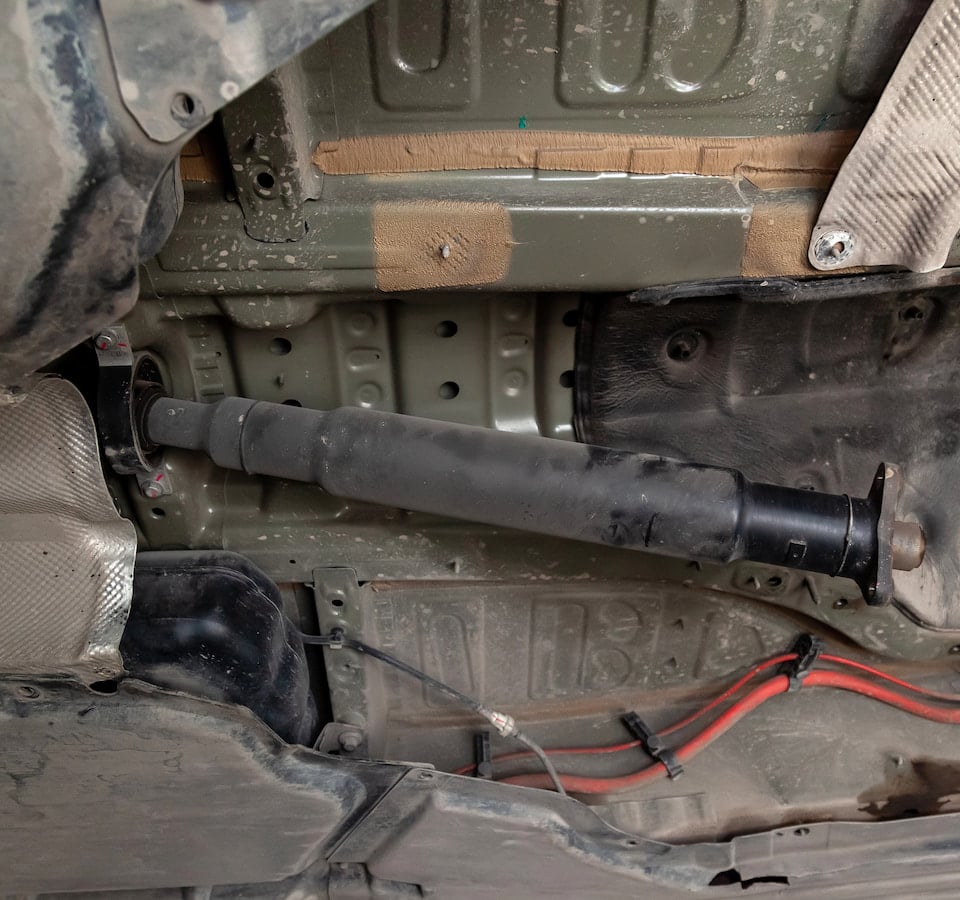
Vibration that grows with speed or load, clunking or knocking when shifting between drive and reverse, shuddering during acceleration, clicking noises in turns (a classic CV joint symptom), or visible grease slung from a torn joint boot. These symptoms escalate: a worn U-joint that would cost little to replace can eventually fail entirely — and a drive shaft letting go at highway speed can damage everything around it.
Drive Shaft Services We Provide
Brands Serviced
AWD, 4WD & Off-Road Drivetrains
Subarus, 4Runners, Jeeps, and lifted trucks all put extra demands on drive shafts — more joints, more angles, and in the case of lifted vehicles, driveline geometry the factory never intended. We service Subaru drive shafts and AWD systems, and our Jeep specialists diagnose driveline vibration on modified 4×4s, where U-joint angle problems are often mistaken for death wobble. Suspension changes and worn suspension components also affect driveline angles — another reason whole-vehicle diagnostics beat parts-swapping.
Repair or Replace a Drive Shaft?
When a drive shaft has one worn joint or bearing and an otherwise straight, undamaged shaft, replacing the failed component and rebalancing is the economical fix. When the shaft is bent, corroded, or has multiple failing joints — common on trucks that see winter mag-chloride and off-road miles — a complete replacement shaft is often cheaper than chasing repairs. We price both honestly and tell you which we’d choose on our own truck. Either way, the job ends with balancing and a road test, because a repaired shaft that still vibrates isn’t repaired.
AWD vehicles raise the stakes: with power routed to all four wheels, there are more shafts, joints, and support bearings to wear, and drivetrain binding from a failing joint can masquerade as transmission or differential trouble. It’s one more place where our AWD specialization pays off — we know which symptoms belong to which component on the platforms Denver drives most.